Marvin Shields: The Only Navy Seabee Awarded the Medal of Honor
Petty Officer Marvin Shields distinguished himself during a brutal battle in Vietnam, earning the nation's highest military honor.
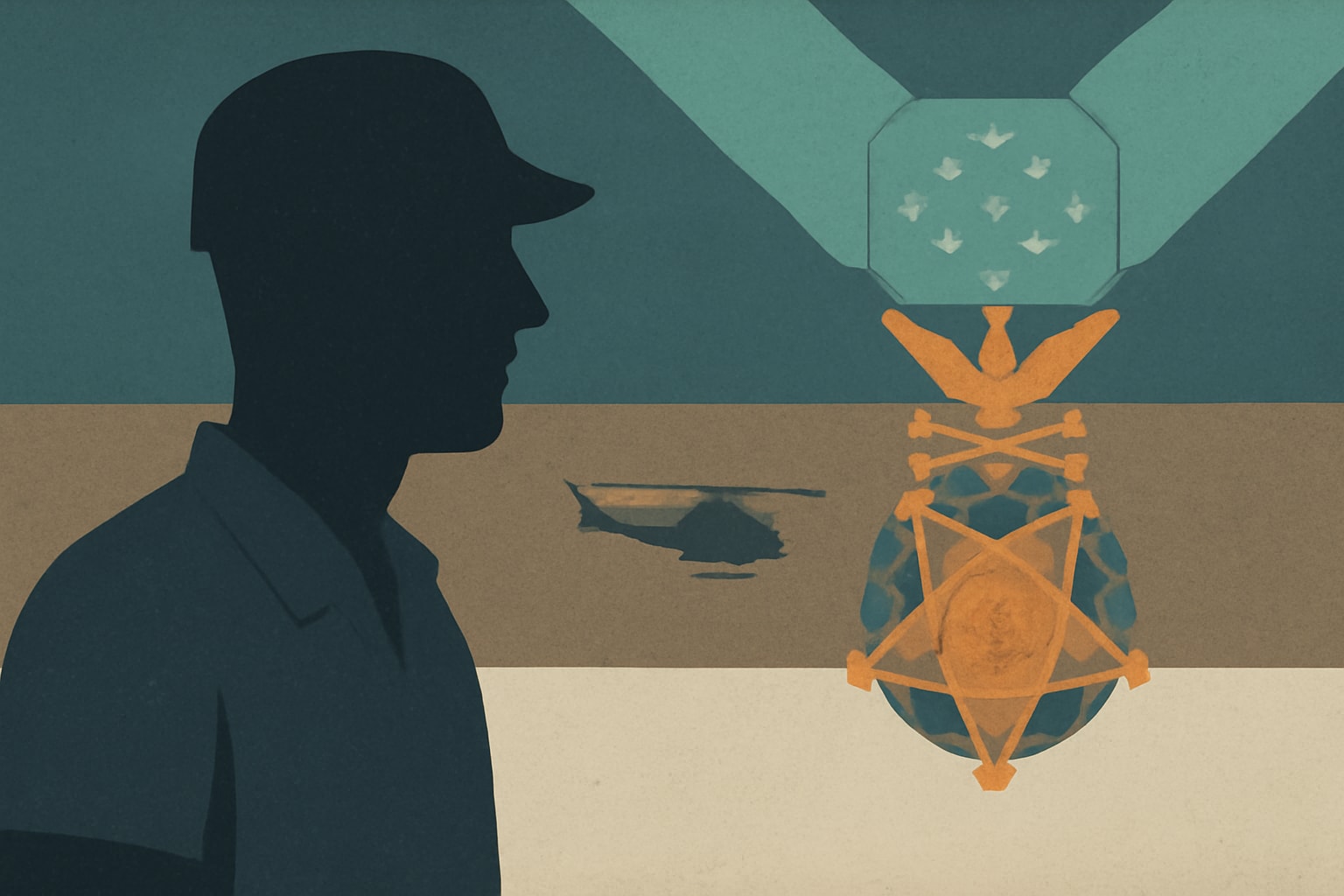
What's Happening
- •Marvin Shields is the only Navy Seabee to be awarded the Medal of Honor.
- •He earned the Medal of Honor for his actions during the Battle of Dong Xoai on June 10, 1965.
- •Shields was posthumously recognized for his bravery while defending a Special Forces camp.
Why It Matters
The story of Marvin Shields highlights the extraordinary courage and sacrifice of Navy Seabees, who often operate in combat zones alongside front-line forces. Recognizing his valor emphasizes the importance of honoring all service members, regardless of their roles, and serves as an inspiring example of selfless service.
What Changes Now
- •There is increased awareness of the sacrifices made by Navy Seabees in combat. This recognition helps to elevate their contributions and valor within military history.
- •The establishment of awards in Shields's name encourages Seabees to strive for excellence in leadership and duty. This initiative aims to foster a culture of bravery and commitment among current service members.
- •Shields's story is now used in military training programs to highlight the importance of courage under fire. This focus on valor is intended to prepare service members for the realities of combat.
What to Watch
- •Future commemorations of Marvin Shields and other Medal of Honor recipients are planned. These events will serve to honor their sacrifices and educate the public about their contributions.
- •Ongoing efforts to preserve the history of the Vietnam War will include Shields's story. This preservation is crucial for understanding the complexities of the conflict and the roles played by various service members.
- •The Navy may increase its focus on recognizing the combat roles of support personnel. This shift could lead to more comprehensive training and acknowledgment of their contributions in future military operations.
Get the Daily Briefing
Military and veteran news that actually affects you, in your inbox each morning.
More Context
- •The Battle of Dong Xoai: On June 10, 1965, near Dong Xoai, Vietnam, Construction Mechanic Third Class Marvin Glenn Shields displayed extraordinary heroism while defending a Special Forces camp. Shields was part of Naval Mobile Construction Battalion 10 (NMCB 10), Detachment 1104, which supported the U.S. Army Special Forces at Camp Dong Xoai, located about 56 miles northeast of Saigon. The camp was critical for advising local Civilian Irregular Defense Group (CIDG) forces. During the pre-dawn hours, the Viet Cong launched a major assault, with over 2,000 troops from the 272nd Viet Cong Regiment attacking the camp. Despite being wounded early in the fight, Shields repeatedly exposed himself to enemy fire to transport vital ammunition to his fellow defenders.
- •Acts of Valor: As the battle escalated, Shields's actions became increasingly heroic. After a key defensive position was compromised, he volunteered to help relocate a 3.5-inch recoilless rifle to a safer spot. Under heavy enemy fire, he and a small team managed to move the weapon, allowing it to continue providing suppressive fire against the Viet Cong. Even after sustaining further injuries, Shields fought on, demonstrating remarkable resilience and commitment to his comrades. His final act of bravery involved directing fire against an enemy machine gun that was inflicting casualties on defenders, all while severely wounded.
- •Legacy and Recognition: Marvin Shields succumbed to his wounds after being evacuated to the camp's medical aid station. His actions were credited with saving many lives and significantly hindering the Viet Cong's assault. On September 13, 1966, President Lyndon B. Johnson presented the Medal of Honor to Shields's widow, Joan, and their daughter, Barbara, in a ceremony at the White House. Shields's legacy continues to inspire Navy Seabees and serves as a reminder of the vital role support personnel play in combat. His story is integral to leadership training within the Seabees, emphasizing courage and selfless service.
- •Impact on Military Training and Recognition: Shields's story has led to increased awareness of the combat roles that support personnel can fulfill. The Navy established the Construction Mechanic 3rd Class Marvin Glenn Shields Award to honor Seabees who demonstrate exceptional leadership. His legacy reinforces the need for comprehensive combat training for all service members, regardless of their primary roles. This recognition serves as a powerful reminder that heroism can emerge from any rank or job within the military, encouraging current and future service members to uphold the values exemplified by Shields.
Veteran Take
For those who've served, Marvin Shields' story is a powerful reminder of the unsung heroes within our ranks. The bravery displayed by Navy Seabees in challenging environments often goes unnoticed, yet their contributions are vital to mission success. Recognizing Shields not only honors his sacrifice but also sheds light on the diverse roles that all service members play in defense of our nation.
The Daily Briefing
Military & veteran news that actually affects you — delivered every morning.
- Pay, benefits & policy changes
- Pentagon decisions that matter
- VA updates for veterans & families
- One email. No spam. Unsubscribe anytime.
Related Stories
- Army Activates Its Fourth Multi-Domain Task Force at Fort Carson— Task & Purpose
- Lockheed Martin Unveils PAC-3 Edge Interceptor to Counter Hypersonic Threats— Military Times
- Marine Corps Unveils Ground Combat Element Plan Through 2040— Military.com
- Pentagon's Counter-Drone Task Force to Test Directed Energy Weapons in December— Air & Space Forces Magazine