Latvia Deploys Mobile Interceptor Units to Russian Border Amid Drone Threats
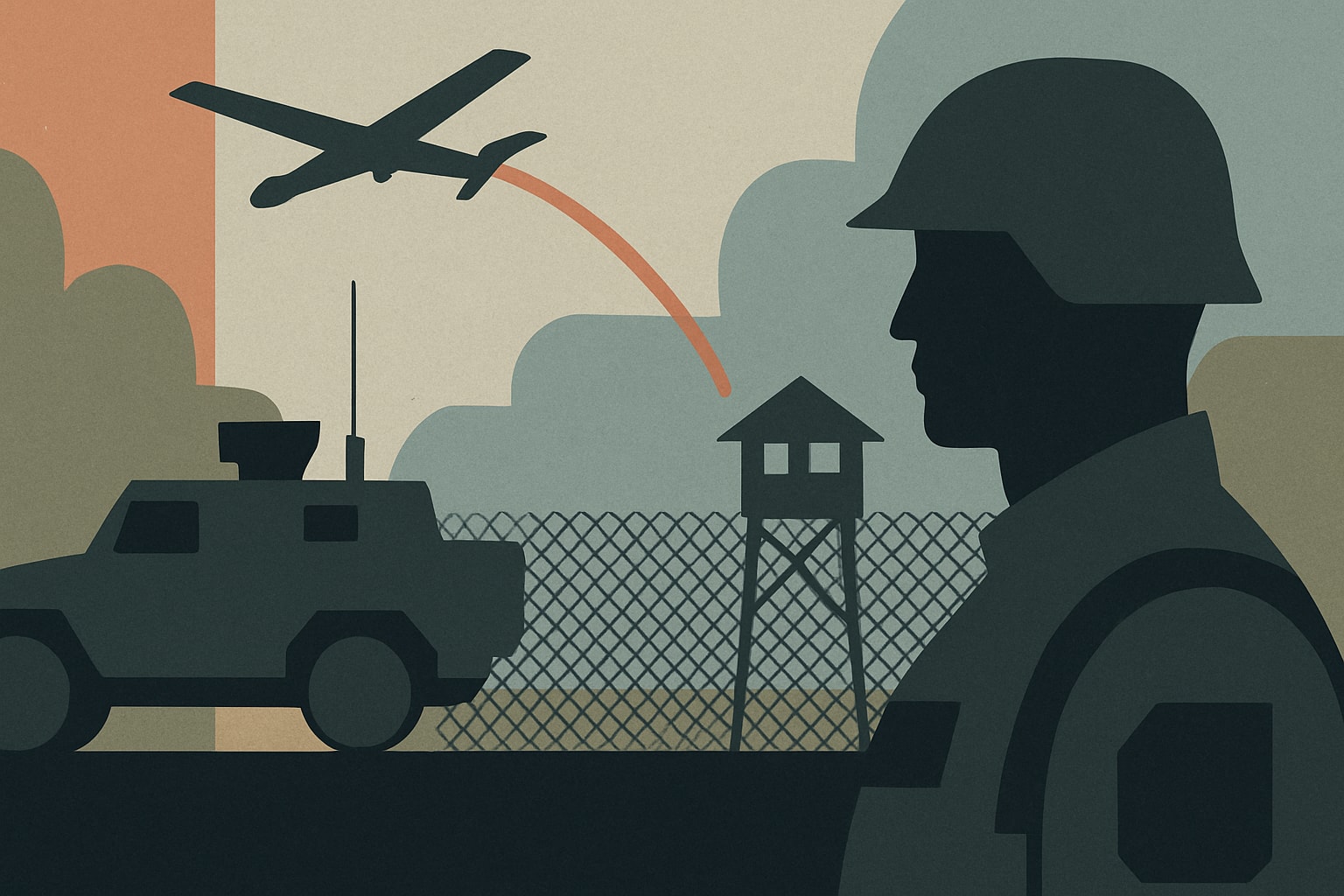
In response to recent drone incursions, Latvia is sending interceptor units equipped with drones to bolster border security.
What's Happening
- •Latvia is sending mobile interceptor units to its border with Russia.
- •The units will be equipped with local interceptor drones.
- •This deployment is a direct response to recent drone incursions.
Why It Matters
This development is crucial for military personnel and families in the region, as it directly impacts security measures and readiness protocols. For veterans and active-duty members, understanding the implications of these deployments is essential for assessing regional stability and potential future operations.
What Changes Now
- •Latvia's military is deploying interceptor units to the Russian border. This change aims to enhance immediate response capabilities against aerial threats.
- •Service members will receive updated protocols for engaging with unauthorized drones. This adjustment is critical for maintaining safety and operational effectiveness.
- •Increased surveillance measures will be implemented along the border. This will involve both personnel and technology to monitor airspace more effectively.
What to Watch
- •Monitor the timeline for the deployment of interceptor units. This will provide insight into how quickly Latvia can respond to emerging threats.
- •Watch for updates from NATO regarding collective security measures in response to these incursions. Decisions made here could influence future military operations in the region.
- •Keep an eye on any changes in drone activity along the border. Increased incursions may lead to further military responses or adjustments in defense strategy.
Get the Daily Briefing
Military and veteran news that actually affects you, in your inbox each morning.
More Context
- •Background on Drone Incursions: In recent months, Latvia has experienced a series of drone incursions along its border with Russia, raising concerns about national security. These incidents have prompted the Latvian military to enhance its defensive capabilities, particularly in areas vulnerable to aerial threats.
- •Details of the Deployment: The Latvian military plans to deploy these mobile interceptor units in the coming days. Equipped with advanced local interceptor drones, these units will be strategically positioned to monitor and respond to any unauthorized drone activity along the border.
- •Implications for Military Readiness: This deployment signifies a proactive approach to border security and military readiness in Latvia. For service members stationed in the region, this means an increased focus on aerial surveillance and potential engagement protocols with unauthorized drones.
- •Regional Security Concerns: The deployment comes amid heightened tensions in Eastern Europe, particularly regarding Russia's military activities. This situation may affect NATO's strategic posture in the region, necessitating closer coordination among member states to ensure collective defense.
Frequently Asked Questions
How will this affect service members in Latvia?
Service members will need to adapt to new protocols for aerial threat engagement and increased surveillance activities.
Are there any changes to training for drone operations?
Yes, training may be updated to include new engagement strategies and operational procedures for dealing with unauthorized drones.
Veteran Take
For those who've served, the deployment of mobile interceptor units to Latvia's border is a stark reminder of the ongoing tensions in Eastern Europe. We know all too well that security measures like this aren't just about immediate threats; they shape the landscape of military readiness and can influence our own experiences in the field. Veterans navigating this situation will likely reflect on the importance of vigilance and preparedness, as these developments could signal larger shifts in regional stability.
The Daily Briefing
Military & veteran news that actually affects you — delivered every morning.
- Pay, benefits & policy changes
- Pentagon decisions that matter
- VA updates for veterans & families
- One email. No spam. Unsubscribe anytime.
Related Stories
- Air Force Seeks Next-Gen Perimeter Air Defense Radars to Replace Aging Systems— Air & Space Forces Magazine
- AFRL Partners with Virgin Galactic to Collect Space Weather Data— Air & Space Forces Magazine
- North Korea Test-Fires Intermediate-Range Missile Amid Rising Tensions— Military.com
- Space Force Contracts Northrop Grumman and True Anomaly for New ISR Satellites— Defense News