Exploring the Air Force's Controversial 'Gay Bomb' Proposal
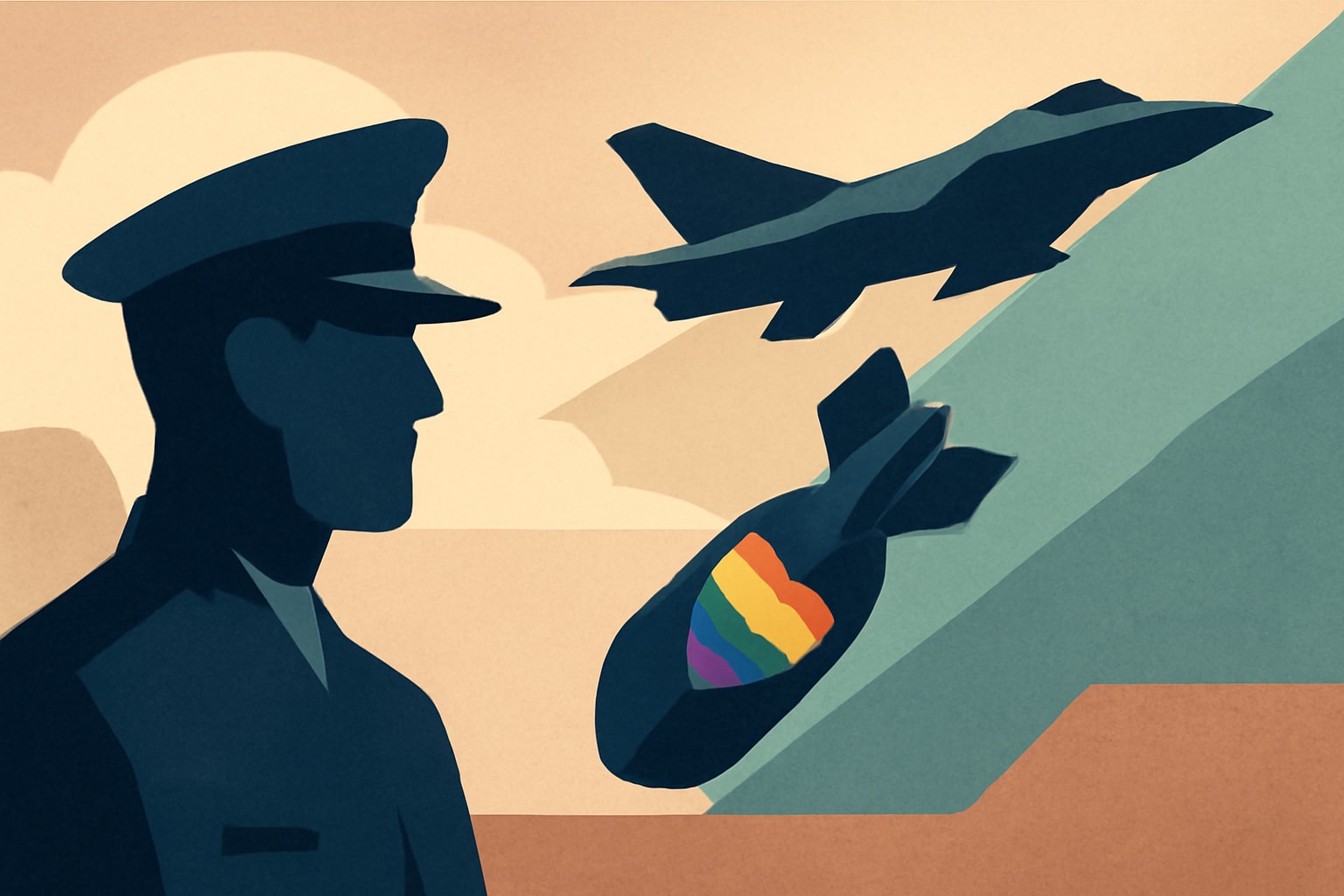
In 1994, the Air Force considered a non-lethal chemical weapon aimed at undermining enemy morale by inducing homosexual behavior.
What's Happening
- •In 1994, the Air Force Research Laboratory proposed a non-lethal chemical weapon known as the 'gay bomb.'
- •The proposal aimed to make enemy soldiers sexually attracted to each other to disrupt their morale.
- •Ethical and practical concerns ultimately led to the rejection of the proposal.
Why It Matters
The 'gay bomb' proposal reflects the ethical dilemmas faced in military research, particularly regarding the manipulation of human behavior. Understanding this historical context is crucial for current and future military personnel, as it emphasizes the importance of ethical considerations in developing new technologies.
What Changes Now
- •The historical example of the 'gay bomb' encourages ongoing discussions about the ethics of non-lethal weapons. It is important for military personnel and policymakers to engage in these discussions to ensure responsible research practices.
- •The rejection of the 'gay bomb' proposal reinforces the need for stringent ethical reviews of military research. This change is critical to prevent similar proposals from being considered in the future.
- •The public debate surrounding the 'gay bomb' highlights the importance of transparency in military research. Increased public scrutiny can lead to greater accountability in military practices.
What to Watch
- •Continued advancements in chemical and biological weapon research are a key area of focus. The implications of these developments could significantly affect military strategy and ethics.
- •Ongoing debates about the ethical boundaries of military technology are expected to intensify. These discussions will shape future policies and regulations regarding military research.
- •The role of non-profit organizations in monitoring military research will likely grow. Their involvement can help ensure that ethical standards are maintained in the development of new technologies.
Get the Daily Briefing
Military and veteran news that actually affects you, in your inbox each morning.
More Context
- •The Proposal and Its Intent: In 1994, the U.S. Air Force Research Laboratory explored the idea of a non-lethal chemical weapon informally referred to as the 'gay bomb.' The concept suggested deploying a chemical agent that would induce sexual attraction among enemy soldiers, thereby disrupting their cohesion and morale. The intention was to weaken the enemy's combat effectiveness without causing physical harm, reflecting a broader interest in non-lethal weapons that could provide strategic advantages in various conflict scenarios.
- •Ethical and Practical Concerns: Despite its initial consideration, the 'gay bomb' proposal faced immediate ethical scrutiny. Questions arose regarding the morality of manipulating human behavior and the potential unintended consequences of such a weapon. Additionally, the scientific feasibility of creating a chemical agent that could reliably induce homosexual behavior was highly questionable, leading to further doubts about the proposal's practicality.
- •Public Disclosure and Backlash: The Sunshine Project, a non-profit organization focused on preventing the development of biological and chemical weapons, played a crucial role in bringing the 'gay bomb' proposal to public attention. Through Freedom of Information Act requests, the organization highlighted the proposal, which subsequently sparked widespread media coverage and public debate. This incident underscored the importance of transparency in military research and the ethical implications of proposed technologies.
- •Lessons Learned and Ongoing Discussions: The exploration of the 'gay bomb' serves as a cautionary tale about the complexities of military research and the ethical considerations that accompany the development of new technologies. While the proposal was never advanced beyond the conceptual phase, it continues to be discussed in the context of military history and ethics. This episode emphasizes the necessity for rigorous ethical reviews in military research to ensure alignment with established values and international norms.
Veteran Take
For those who've served, the idea of using a weapon to manipulate human behavior, especially in such a controversial way, raises serious ethical concerns. We understand the complexities of warfare and the importance of morale, but resorting to such tactics undermines the very values we uphold. Veterans navigating this discussion today must advocate for a military culture that respects all individuals, regardless of their identity, and focuses on honor and integrity in our operations.
The Daily Briefing
Military & veteran news that actually affects you — delivered every morning.
- Pay, benefits & policy changes
- Pentagon decisions that matter
- VA updates for veterans & families
- One email. No spam. Unsubscribe anytime.
Related Stories
- BAE Systems Awarded Contract for F-35 Block 4 Electronic Warfare Systems— Air & Space Forces Magazine
- Navy Cyber Defense Operations Command Adopts Watchstanding Principles for Cyber Resilience— Federal News Network
- Air Force Mobility Fleet Receives Real-Time Data Software Updates— Air & Space Forces Magazine
- Navy Establishes Warfighting Development Center for Unmanned Systems— DefenseScoop