Drone Warfare's Impact: Are Military Medics Ready for New Battle Injuries?
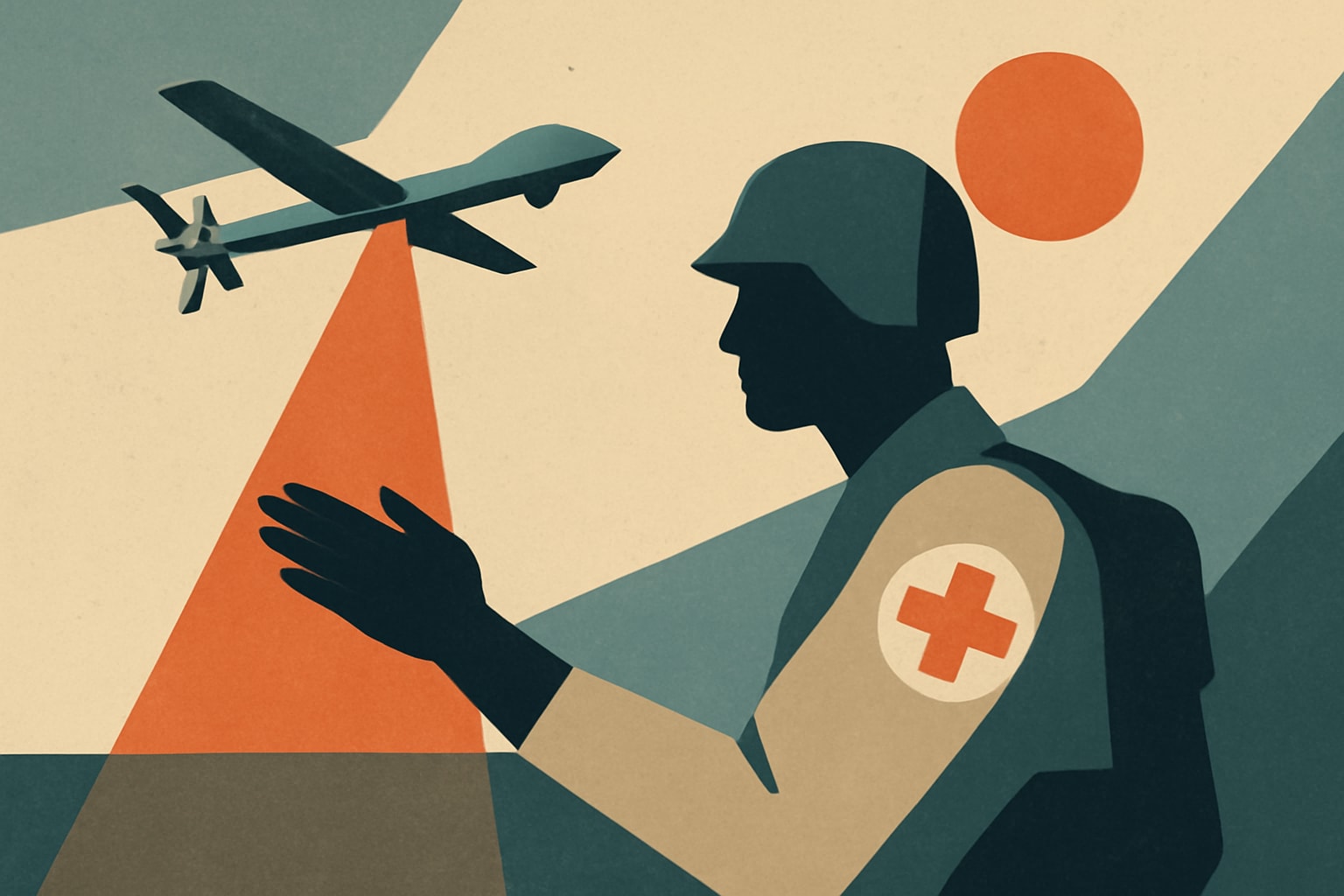
Studies from the war in Ukraine indicate that drone-delivered explosives are causing more destructive injuries, raising concerns about the readiness of the U.S. military medical corps.
What's Happening
- •Studies from the Ukraine war reveal that drone-delivered explosives cause more severe injuries than traditional munitions.
- •The U.S. military medical corps is facing new challenges in treating these complex injuries.
- •There is an urgent need for updated training and equipment to manage drone-related trauma.
Why It Matters
The shift to drone warfare directly affects service members by changing the types of injuries they may sustain in combat. This requires the military medical community to adapt quickly to provide the best possible care, ensuring our troops receive the treatment and support they need to recover and return to duty or transition to civilian life.
What Changes Now
- •There will be an increased focus on training for drone-related injuries within the military medical corps. This change is crucial to prepare medics for the specific challenges posed by these injuries.
- •Resources may be reallocated to acquire specialized medical equipment and supplies. This ensures that medical units are equipped to handle the complexities of drone warfare injuries.
- •Protocols for treating battlefield injuries will be updated to reflect the realities of drone warfare. This adaptation is necessary to improve outcomes for injured service members.
What to Watch
- •Ongoing studies of drone warfare injuries will provide insights into long-term effects. These findings will help shape future medical training and protocols.
- •Updates to military medical protocols and training programs are expected in response to new injury types. Monitoring these changes will be important for understanding how the military adapts to evolving threats.
- •Research and development efforts aimed at improving medical countermeasures against drone-related injuries will be critical. The outcomes of these initiatives will impact the effectiveness of military medical responses.
Get the Daily Briefing
Military and veteran news that actually affects you, in your inbox each morning.
More Context
- •The Evolving Nature of Injuries in Drone Warfare: Recent studies from the ongoing conflict in Ukraine have illuminated a troubling trend: drone-delivered explosives result in injuries that are both more severe and varied compared to those caused by conventional weapons. This evolution in warfare necessitates a reevaluation of how military medical personnel are trained and equipped to handle such trauma. The precision targeting capabilities of drones allow for attacks on critical areas, leading to injuries that may include severe burns, blast injuries, and fragmentation wounds. As a result, the medical community must adapt to these new realities to ensure effective treatment and recovery for affected service members.
- •Implications for Medical Training and Resources: The implications of drone warfare for the U.S. military medical corps are profound. Traditional trauma training may not adequately prepare medics for the unique challenges presented by drone-related injuries. Enhanced training programs are essential, focusing on areas such as advanced burn management and complex wound care. Furthermore, medical units may need specialized equipment, including advanced wound dressings and portable ventilators, to effectively manage these injuries in the field. This shift in training and resources is critical to maintaining the health and readiness of service members.
- •Long-Term Care and Rehabilitation Needs: Beyond immediate medical treatment, the long-term rehabilitation needs of service members injured by drone attacks also require attention. Many of these injuries can lead to chronic pain, disabilities, and psychological trauma, necessitating comprehensive rehabilitation programs. These programs should address both physical and mental health needs, providing access to specialized therapies and mental health services. The Department of Veterans Affairs will play a crucial role in ensuring that veterans receive the long-term care they need to recover and reintegrate into civilian life.
- •The Path Forward for Military Medical Readiness: As drone technology continues to evolve, the U.S. military must prioritize medical readiness to mitigate the impact of drone warfare on service members. This includes investing in research and development for improved medical countermeasures and fostering collaboration between military and civilian medical professionals. Continuous monitoring of battlefield injuries and adapting medical protocols will be essential to ensure the best possible outcomes for those wounded in combat. The proactive approach to medical readiness will be vital in safeguarding the health and well-being of future service members.
Veteran Take
For those who've served, the evolution of warfare means we must continuously adapt, especially in how we approach medical care for our injured. The rise of drone warfare is not just a tactical shift; it fundamentally alters the nature of injuries we face, demanding that our medical professionals are equipped to handle the unprecedented challenges ahead. Veterans navigating this will understand the urgency of ensuring our medics are prepared, as the well-being of our brothers and sisters in arms depends on their readiness to respond to these new realities.
The Daily Briefing
Military & veteran news that actually affects you — delivered every morning.
- Pay, benefits & policy changes
- Pentagon decisions that matter
- VA updates for veterans & families
- One email. No spam. Unsubscribe anytime.
Related Stories
- 8th Army Adapts to Evolving Drone Threats in South Korea— DefenseScoop
- ARCYBER Expands Use of AI Agents for Network Operations— DefenseScoop
- Air Force Airmen Sentenced for Involvement in $2.4 Million Cyber Fraud Scheme— Military.com
- U.S. F-35s Make Historic Debut in Military Exercise in India— Air & Space Forces Magazine