Marine Corps to Employ 3D Scanners for Detecting Cracked Body Armor
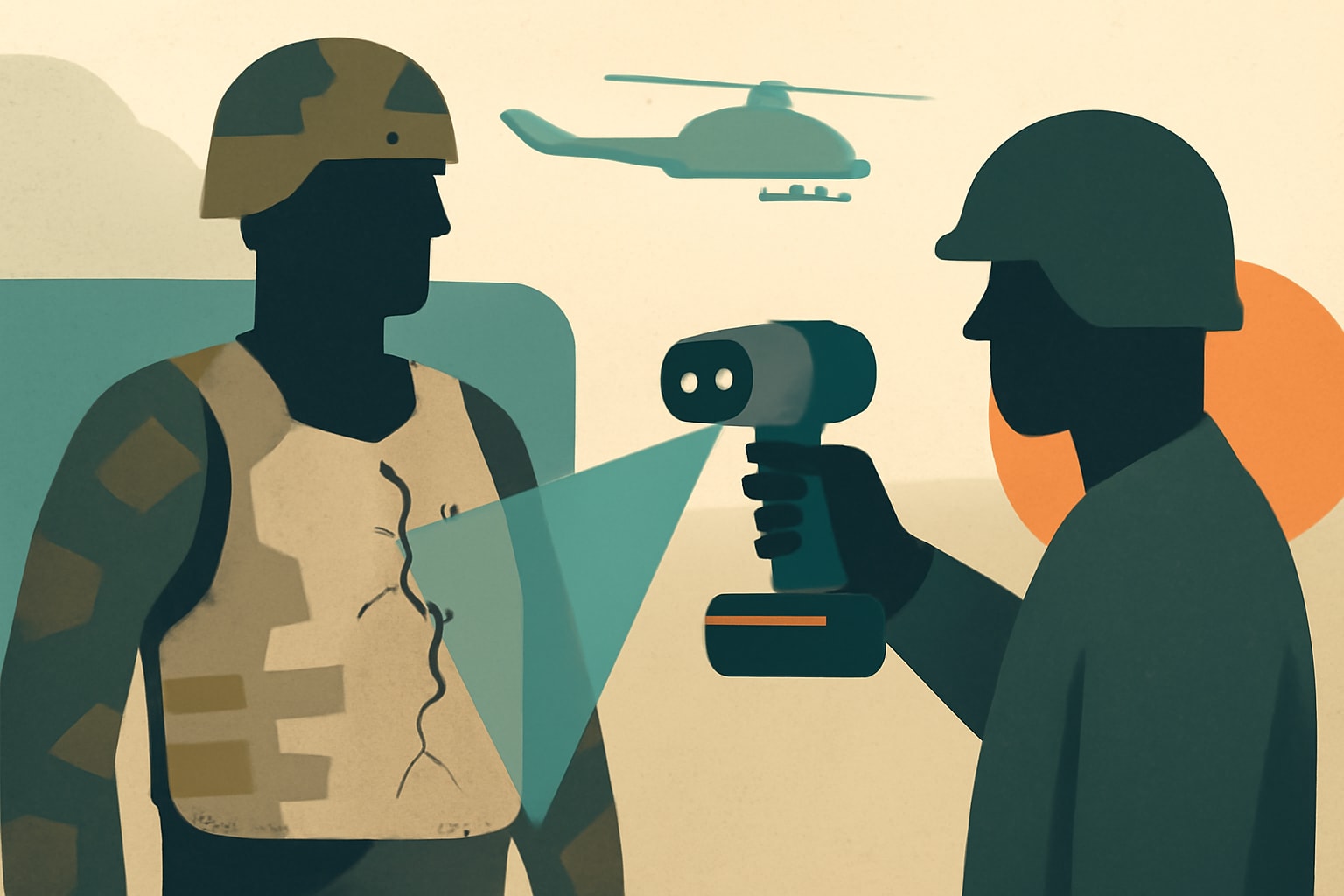
The U.S. Marine Corps is set to acquire high-resolution 3D scanners to improve body armor safety by detecting cracks.
What's Happening
- •The Marine Corps plans to acquire high-resolution 3D scanners.
- •These scanners will be used to detect cracks in body armor.
- •The initiative aims to enhance the safety of Marines in combat situations.
Why It Matters
The introduction of 3D scanning technology for body armor inspection is a significant advancement in military safety protocols. By ensuring that body armor remains intact and effective, the Marine Corps can better protect its personnel in high-risk environments, ultimately saving lives and enhancing operational readiness.
What Changes Now
- •The Marine Corps will begin acquiring high-resolution 3D scanners for body armor inspections. This means that Marines will soon have access to advanced technology that can detect armor cracks more efficiently.
- •Training programs will be developed for personnel on how to use the new scanning equipment. This training will ensure that Marines are well-prepared to utilize the technology effectively in the field.
- •The initiative is expected to enhance the overall safety protocols for body armor inspections. This change will lead to improved maintenance practices and potentially reduce the risk of armor failure during critical missions.
What to Watch
- •The selection process for 3D scanner vendors will take place in the coming months. This decision will determine the specific technology that will be implemented across the Marine Corps.
- •Initial testing of the scanners is expected to begin in early 2027. This phase will provide valuable feedback on the effectiveness of the technology in real-world scenarios.
- •Watch for updates on the training programs for Marines on the new scanning technology. Effective training will be crucial to ensure the successful adoption of this new safety measure.
Get the Daily Briefing
Military and veteran news that actually affects you, in your inbox each morning.
More Context
- •Importance of Body Armor Integrity: Body armor is a critical component of a Marine's protective gear, designed to withstand ballistic threats. Cracks or damages in the armor can significantly compromise its effectiveness, putting service members at greater risk during operations. The introduction of 3D scanning technology aims to provide a proactive solution to identify these vulnerabilities before they lead to catastrophic failures in the field.
- •Implementation Timeline and Process: The Marine Corps is currently in the process of evaluating vendors for the high-resolution 3D scanners. Once selected, the implementation phase will begin, which includes training personnel on how to effectively use the technology. This process is expected to roll out over the next year, with initial testing and deployment scheduled for early 2027.
- •Impact on Marine Corps Personnel: Active duty Marines, particularly those in combat arms MOSs such as 0311 (Rifleman) and 0331 (Machine Gunner), will benefit directly from enhanced body armor assessments. The ability to quickly and accurately detect armor damage can lead to timely repairs or replacements, ensuring that Marines are always equipped with reliable protective gear. This initiative underscores the Corps' commitment to maintaining high safety standards for its personnel.
Frequently Asked Questions
How will 3D scanners improve body armor safety?
3D scanners will allow for precise detection of cracks in body armor, ensuring that any damage is identified and addressed before it compromises safety.
When will the new scanners be implemented?
The Marine Corps plans to begin implementing the scanners in early 2027, following the selection of vendors and training of personnel.
Who will be trained to use the 3D scanners?
Marines in maintenance and logistics roles will be trained to use the 3D scanners to ensure body armor integrity.
The Daily Briefing
Military & veteran news that actually affects you — delivered every morning.
- Pay, benefits & policy changes
- Pentagon decisions that matter
- VA updates for veterans & families
- One email. No spam. Unsubscribe anytime.
Related Stories
- Air Force Airman Confirmed Dead After Fall During College Football Event— Military.com
- Amelia Earhart's Plane May Be Closer to Discovery After 89 Years— Military.com
- Army Turns to Prefabricated Buildings to Cut Construction Costs— Federal News Network
- US Army Helicopter Pilots Test New In-Flight Relief System— Military Times