US Army Helicopter Pilots Test New In-Flight Relief System
The Army pilots of the 101st Combat Aviation Brigade have successfully tested a new in-flight relief system designed to enhance operational capabilities.
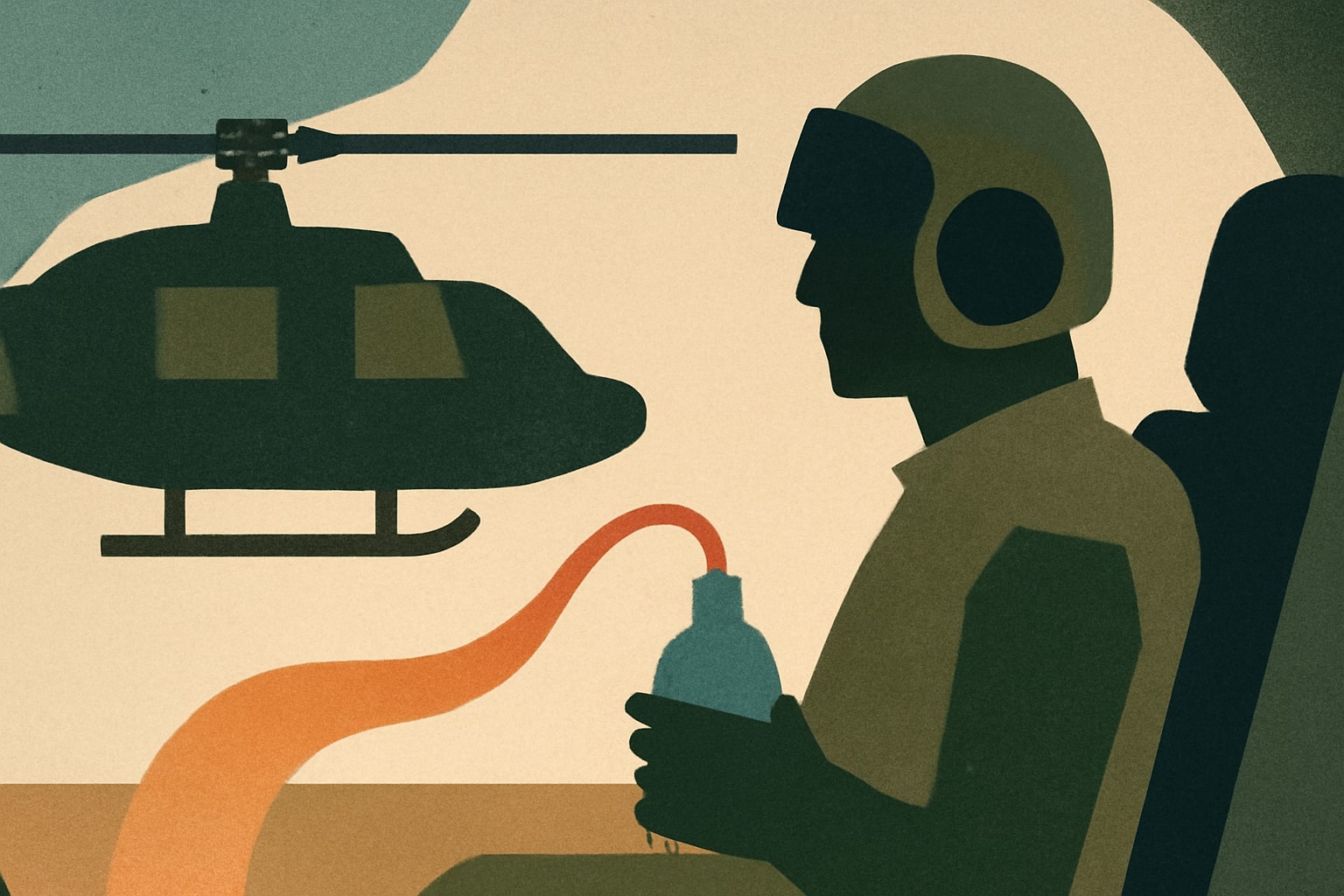
What's Happening
- •The 101st Combat Aviation Brigade conducted the Army's first helicopter test flights using the Advanced Inflight Relief Universal System.
- •This new system aims to improve pilot comfort and operational efficiency during missions.
- •The tests are part of ongoing efforts to enhance aviation technology within the Army.
Why It Matters
The testing of the Advanced Inflight Relief Universal System is crucial for improving the welfare of helicopter pilots, who often face extreme conditions during missions. Enhancing pilot comfort and operational efficiency directly contributes to mission success and the safety of service members in the field.
What Changes Now
- •The Army is integrating the Advanced Inflight Relief Universal System into test flights. This change allows pilots to experience improved comfort and performance during missions, which may lead to wider adoption across the force.
- •Pilot training may begin to incorporate the use of this new system. This will ensure that all aviators are familiar with the technology and can utilize it effectively in various operational scenarios.
- •Feedback from these test flights will inform future technology enhancements. The Army aims to refine the system based on pilot experiences to maximize its effectiveness and usability.
What to Watch
- •Upcoming evaluations of pilot feedback on the new system will be critical. The Army plans to assess how well the system meets operational needs and what improvements can be made.
- •Further test flights are scheduled for the coming months to gather more data. These evaluations will help determine the system's readiness for wider deployment.
- •The Army may announce additional funding for aviation technology enhancements based on the outcomes of these tests. This could lead to more innovations aimed at improving pilot safety and efficiency.
Get the Daily Briefing
Military and veteran news that actually affects you, in your inbox each morning.
More Context
- •Overview of the Advanced Inflight Relief Universal System: The Advanced Inflight Relief Universal System represents a significant advancement in helicopter technology, aimed at addressing the physiological needs of pilots during extended missions. This system is designed to provide relief and comfort, allowing pilots to maintain focus and performance under demanding conditions. The 101st Combat Aviation Brigade's recent tests mark a pivotal step in evaluating how this technology can be integrated into existing flight operations.
- •Benefits for Pilots and Operational Readiness: The introduction of this system is expected to enhance not only pilot comfort but also overall mission effectiveness. By reducing fatigue and stress during long flights, pilots can operate at peak performance levels, which is crucial in combat situations. This technology aligns with the Army's broader goals of improving force readiness and ensuring that soldiers are equipped with the best tools for their missions.
- •Future Implications for Army Aviation: As the Army continues to test and refine the Advanced Inflight Relief Universal System, future implementations could lead to widespread adoption across various aviation units. This could potentially influence training protocols and operational guidelines, as units adapt to new technologies that enhance pilot capabilities. The Army is committed to integrating cutting-edge technology to ensure that its aviation assets remain competitive and effective in diverse operational environments.
Frequently Asked Questions
How will the new system affect pilot training?
Pilot training will likely incorporate the Advanced Inflight Relief Universal System to ensure all aviators can effectively use the technology during missions.
What are the operational benefits of this new system?
The system aims to reduce pilot fatigue and stress, thereby enhancing overall mission effectiveness and safety.
When can we expect to see this system implemented Army-wide?
Wider implementation will depend on the outcomes of ongoing tests and evaluations, with updates expected in the coming months.
The Daily Briefing
Military & veteran news that actually affects you — delivered every morning.
- Pay, benefits & policy changes
- Pentagon decisions that matter
- VA updates for veterans & families
- One email. No spam. Unsubscribe anytime.
Related Stories
- U.S. Army Returns to Jungle Training with Panamanian Forces— Military Times
- Archbishop Advises Against Catholic Participation in Army Firing Squads— Military Times
- Pentagon Denies Access to Qatar Base Amid Iran War Damage Claims— Navy Times
- Pentagon Recruits Drone Pilots from Across Services for Upcoming Competition— Navy Times