Army Turns to Prefabricated Buildings to Cut Construction Costs
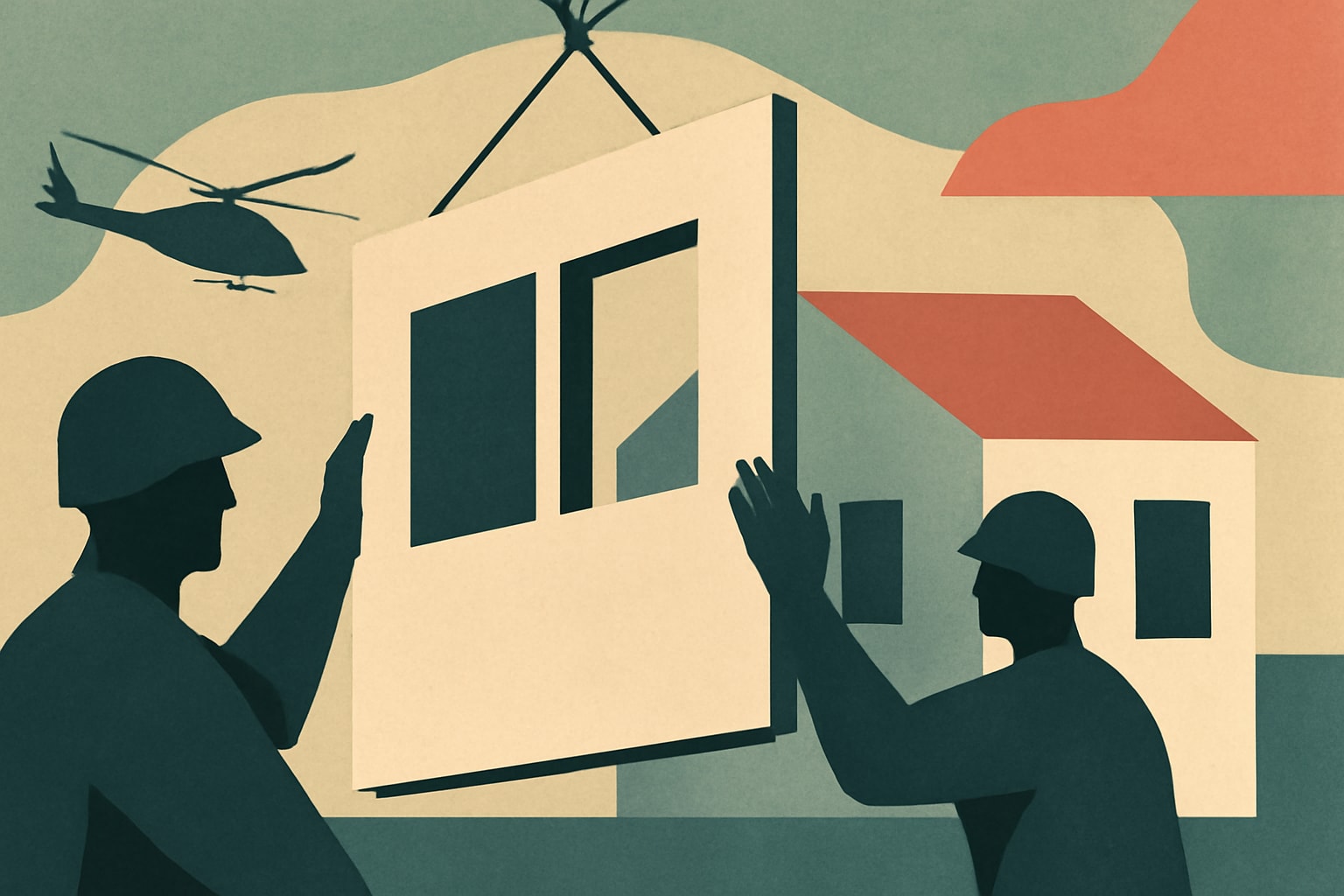
The Army aims to reduce construction time and costs by up to 50% and 30% respectively through prefabricated buildings.
What's Happening
- •The Army is implementing prefabricated buildings to expedite infrastructure projects.
- •Officials estimate that this approach could reduce construction time by 50%.
- •Cost savings are projected to be around 30% compared to traditional construction methods.
Why It Matters
The Army's transition to prefabricated buildings represents a significant shift in construction strategy that could enhance the efficiency of military operations. For service members, especially those in construction and logistics, this change may lead to faster project completions and improved facilities, directly impacting their daily work environments.
What Changes Now
- •The Army will begin implementing prefabricated construction methods at select installations, starting with pilot projects next year. This will allow for faster completion of necessary infrastructure, which is critical for supporting military readiness.
- •Service members involved in construction will need to adapt to new techniques and processes associated with prefabricated buildings. Training programs will likely be updated to include these new methodologies to ensure all personnel are equipped to handle the changes.
- •The Army anticipates significant cost savings from this approach, which may lead to reallocation of funds towards other critical areas. This could enhance overall resource availability for various military projects and initiatives.
What to Watch
- •The Army's pilot projects for prefabricated buildings will begin in the next fiscal year. Observing the outcomes of these projects will provide insights into the effectiveness of this construction strategy.
- •Feedback from service members participating in these projects will be gathered to refine training and operational procedures. This feedback loop will be essential for ensuring that the Army can effectively implement prefabricated construction across the board.
- •Future budget allocations will be closely monitored to see how cost savings from prefabricated buildings impact other military funding priorities. This could influence the direction of future infrastructure investments.
Get the Daily Briefing
Military and veteran news that actually affects you, in your inbox each morning.
More Context
- •The Shift to Prefabrication: The U.S. Army is making a significant shift towards the use of prefabricated buildings as part of its construction strategy. This change is aimed at addressing the growing need for faster and more cost-effective infrastructure solutions. By utilizing prefabricated components, the Army hopes to streamline the construction process, enabling projects to be completed in a fraction of the time compared to conventional methods. This strategy is particularly relevant as the Army faces increasing demands for new facilities across various installations.
- •Impact on Military Installations: The introduction of prefabricated buildings is expected to have a direct impact on military installations, particularly those experiencing rapid growth or modernization. For example, installations housing Active Duty E-5 to E-7 logistics specialists may see quicker upgrades to their facilities, improving overall operational efficiency. This could also benefit Reserve Component units that require timely access to functional spaces for training and operations. The Army's installations boss has described the anticipated results as 'slightly crazy,' highlighting the ambitious nature of this initiative.
- •Practical Implications for Service Members: Service members, especially those in construction-related MOSs, should prepare for changes in how their units approach infrastructure projects. The Army's focus on prefabricated buildings may require adjustments in training and skill development to accommodate new construction techniques. Additionally, service members involved in project management and logistics will need to adapt to the faster pace of construction, which could lead to increased operational tempo. Understanding these changes will be crucial for those directly involved in construction and facility management.
- •What to Watch Moving Forward: As the Army rolls out this new construction strategy, several key developments will be important to monitor. First, the Army plans to pilot prefabricated building projects at select installations in the coming year, with results expected to inform broader implementation. Second, feedback from service members involved in these projects will be crucial in refining the approach, particularly regarding training needs and logistical challenges. Finally, the overall impact on construction budgets and timelines will be closely analyzed to determine the long-term viability of this strategy.
Frequently Asked Questions
Will this affect my unit's construction projects?
Yes, if your unit is involved in construction, you may see changes in how projects are managed and executed due to the adoption of prefabricated buildings.
How will this impact my training?
Training programs may be updated to include new techniques related to prefabricated construction, ensuring service members are prepared for these changes.
What are the projected cost savings?
The Army estimates that using prefabricated buildings could reduce construction costs by approximately 30%, allowing for more efficient use of resources.
The Daily Briefing
Military & veteran news that actually affects you — delivered every morning.
- Pay, benefits & policy changes
- Pentagon decisions that matter
- VA updates for veterans & families
- One email. No spam. Unsubscribe anytime.
Related Stories
- Watchdog Report Reveals Security Flaws in Pentagon Wireless Services— Task & Purpose
- Marine Corps Invests $19.25 Million in Electric Seaglider Technology— Military.com
- Acting US Army Secretary Creates Task Force for HVAC Repairs— Army Times
- U.S. Army Futures Command Renamed to Emphasize Modernization— Military Times