U.S. Blockade Halts Ship Traffic to Iranian Ports, CENTCOM Reports
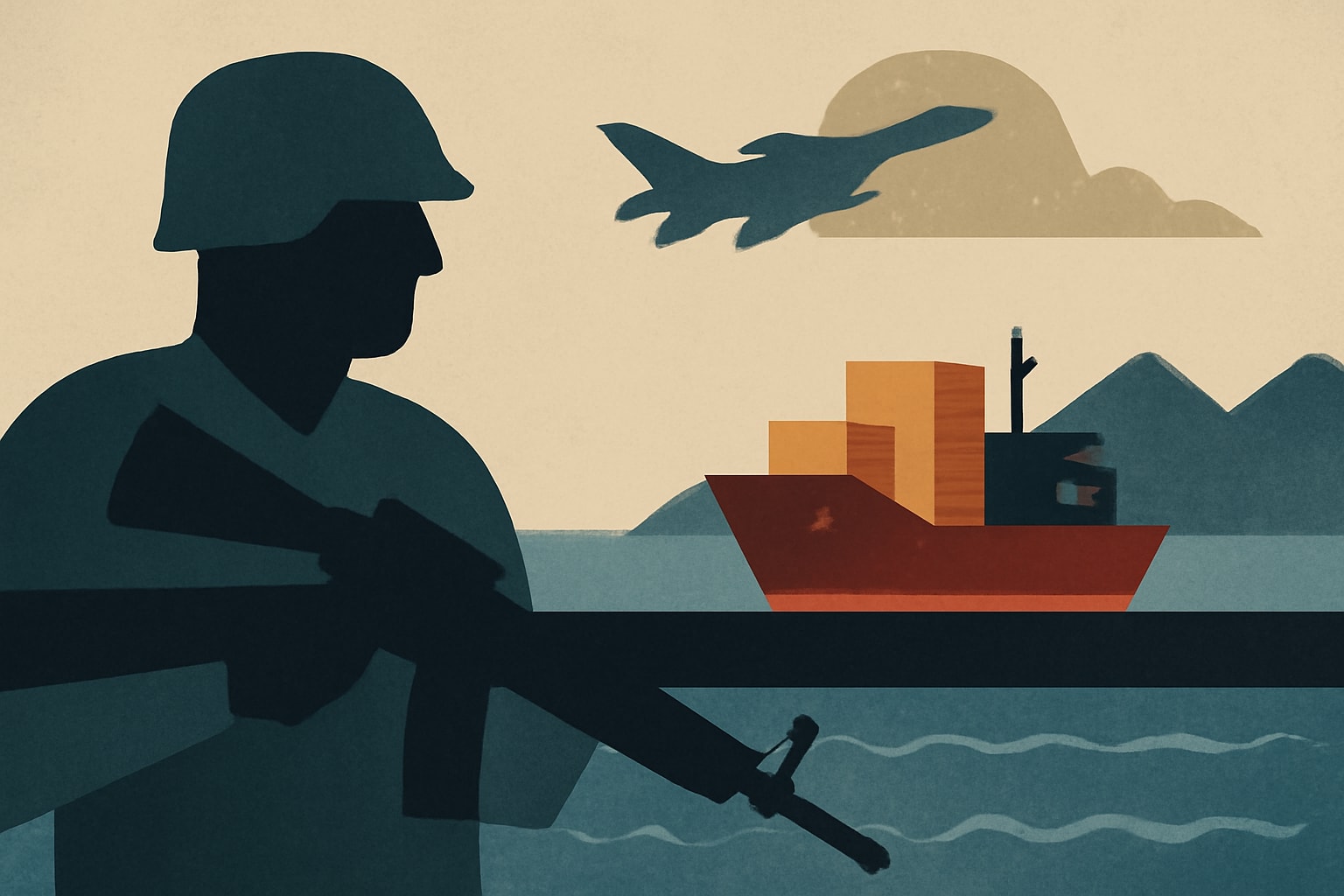
A U.S. blockade involving over 10,000 troops has stopped all ship traffic in and out of Iranian ports.
What's Happening
- •The U.S. has initiated a blockade of Iranian ports as of April 2026.
- •No ships have entered or exited Iranian ports in the first 24 hours of the blockade.
- •The operation involves over 10,000 U.S. troops deployed to enforce the blockade.
Why It Matters
The U.S. blockade of Iranian ports directly affects military operations and could lead to increased deployments for service members. Military families should stay informed about potential changes in deployment schedules and the heightened risk of conflict in the region.
What Changes Now
- •The U.S. military presence in the Persian Gulf has increased significantly. This change is crucial for maintaining a deterrent posture against potential Iranian actions.
- •Maritime trade to and from Iran has been disrupted completely. This disruption could lead to shortages of essential goods and impact Iran's economy.
- •Service members may face heightened operational tempos and potential deployments. Families should prepare for possible changes in schedules and increased communication needs.
What to Watch
- •International reactions to the blockade will be critical in the coming days. Observers will look for statements from allied nations and those with trade ties to Iran.
- •Iran's response to the blockade could include diplomatic protests or military actions. The timeline for such reactions remains uncertain but is likely to unfold quickly.
- •The effectiveness of the blockade will be monitored closely. Key indicators include the continued absence of ship traffic and the impact on Iran's economy.
Get the Daily Briefing
Military and veteran news that actually affects you, in your inbox each morning.
More Context
- •Overview of the Blockade: In April 2026, the United States implemented a naval blockade of Iranian ports, effectively halting all maritime traffic. According to U.S. Central Command (CENTCOM), no vessels have been able to enter or exit these ports since the blockade commenced. This operation involves a significant military presence, with over 10,000 troops deployed to enforce the blockade, indicating a serious escalation in U.S.-Iran tensions.
- •Strategic Implications: The blockade is a strategic effort by the U.S. to exert economic pressure on Iran, disrupting its ability to engage in maritime trade. By cutting off access to essential imports and exports, the U.S. aims to impact Iran's economy significantly. The long-term effects of this blockade will depend on its duration and Iran's response, which could include diplomatic efforts or military countermeasures.
- •Military and Economic Impact: The deployment of over 10,000 troops highlights the U.S. commitment to maintaining a strong military presence in the Persian Gulf. This operation requires substantial logistical support and coordination among naval assets, marines, and support personnel. The blockade is expected to disrupt not only Iranian trade but also regional stability, as it raises the stakes for both U.S. and Iranian military operations.
- •International Reactions and Future Developments: The international community's response to the blockade will be crucial in shaping future events. Allies may support the U.S. stance, while nations with strong trade ties to Iran could express concerns over the blockade's impact on commerce. Observers will be closely monitoring Iran's potential reactions, which could include diplomatic protests or military responses, as well as the broader implications for regional stability.
Veteran Take
For those who've served, the implications of a U.S. blockade on Iranian ports resonate deeply. We understand that such actions can escalate tensions and lead to increased deployments, which not only affects service members but also their families back home. Veterans navigating this will likely feel a mix of concern and familiarity, knowing all too well the unpredictability of military operations and the sacrifices that come with them.
The Daily Briefing
Military & veteran news that actually affects you — delivered every morning.
- Pay, benefits & policy changes
- Pentagon decisions that matter
- VA updates for veterans & families
- One email. No spam. Unsubscribe anytime.
Related Stories
- U.S. Army Returns to Jungle Training with Panamanian Forces— Military Times
- Archbishop Advises Against Catholic Participation in Army Firing Squads— Military Times
- U.S. Aircraft Losses in Iran War Nearly Double, Report Shows— Navy Times
- Push for Agent Orange Victims Memorial in Sunset City, Utah— Military Times