UK Deploys Military to Protect Undersea Cables from Russian Submarines
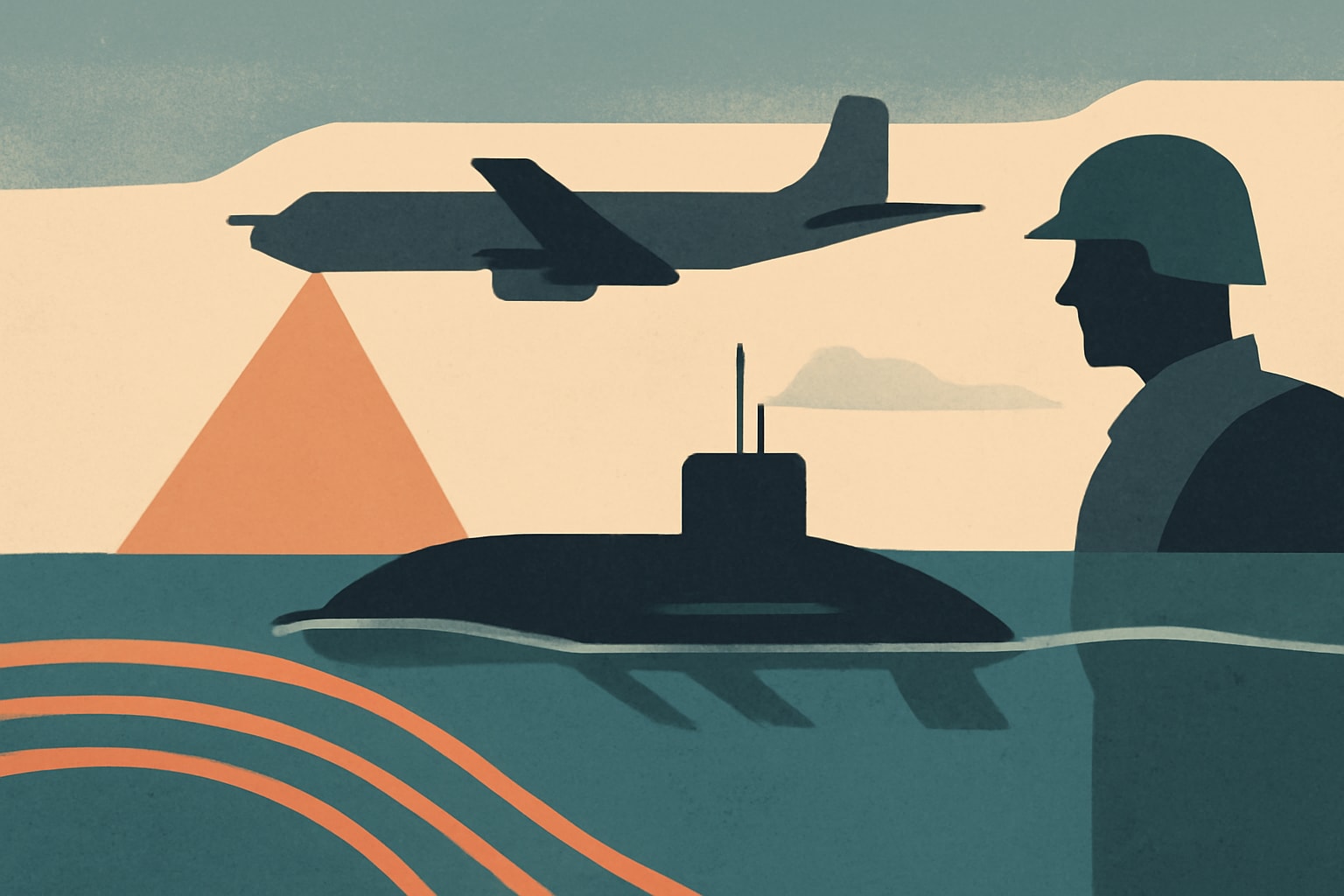
The United Kingdom has deployed military assets to deter potential Russian submarine attacks on vital undersea communication cables.
What's Happening
- •The UK has deployed military assets to deter Russian submarine threats to undersea cables.
- •Norway has also increased its military presence by deploying a P-8 maritime patrol aircraft and a frigate.
- •Undersea cables are crucial for global communications and military operations.
Why It Matters
The deployment of military assets by the UK emphasizes the strategic importance of protecting undersea cables, which are crucial for global communications and military operations. Service members may face increased operational demands related to undersea security, and military families should be aware of the potential for heightened deployments as tensions with Russia persist.
What Changes Now
- •There will be increased military vigilance and patrols in areas surrounding undersea cables. This means service members may be deployed to monitor and protect these critical infrastructures.
- •Training and operational readiness related to undersea warfare will likely be enhanced. This shift is essential for preparing personnel for potential future engagements in securing undersea assets.
- •The UK and its allies will likely invest in new technologies and strategies for undersea cable protection. This investment is crucial for maintaining the integrity of global communications and military operations.
What to Watch
- •Future investments in undersea cable protection technologies are expected. These developments will be crucial in enhancing the security of vital communication networks.
- •Ongoing monitoring of Russian submarine activity in the Atlantic will continue to be a priority. The outcomes of this surveillance will determine future military strategies and deployments.
- •The response strategies of NATO allies regarding undersea infrastructure security will evolve. These changes will reflect the ongoing geopolitical landscape and emerging threats.
Get the Daily Briefing
Military and veteran news that actually affects you, in your inbox each morning.
More Context
- •UK Military Deployment Overview: In April 2026, the United Kingdom's defense ministry announced a strategic deployment of military resources aimed at protecting undersea cables from potential sabotage by Russian submarines. This decision reflects a growing concern within NATO about the vulnerability of critical infrastructure to hostile state actions. The undersea cables are essential for global communications, financial transactions, and military operations, making their protection a high priority in contemporary hybrid warfare.
- •Norway's Coordinated Response: Norway's defense ministry confirmed that its armed forces have also ramped up military vigilance in response to the same threats. The deployment of a P-8 maritime patrol aircraft and a frigate signifies a coordinated effort among North Atlantic allies to secure undersea infrastructure. This collaboration underscores the shared commitment to safeguarding vital communication networks that are increasingly targeted in geopolitical conflicts.
- •Strategic Importance of Undersea Cables: The vulnerability of undersea cables has become a significant topic of discussion among military and intelligence communities. These cables carry the vast majority of global internet traffic and are relatively easy to disrupt. A successful attack on these cables could have catastrophic consequences, potentially crippling economies and disrupting essential services. The UK's proactive deployment illustrates a commitment to addressing these emerging threats.
- •Future Implications for Military Operations: The UK's military deployment serves as a clear message to Russia and other potential adversaries that any attempt to disrupt undersea infrastructure will be met with a robust response. As tensions between NATO and Russia continue to escalate, particularly in maritime domains, the UK and its allies are expected to enhance their military capabilities. This includes investing in advanced surveillance systems and improving cable security measures, ensuring that the protection of these critical networks remains a top priority.
Veteran Take
For those who've served, the deployment of military assets to protect undersea cables is a stark reminder of the evolving threats we face in modern warfare. Veterans navigating this will understand the critical role these cables play not just in communications, but in maintaining national security. As tensions rise, we must prepare for the reality that our service members and their families may bear the brunt of increased operational demands.
The Daily Briefing
Military & veteran news that actually affects you — delivered every morning.
- Pay, benefits & policy changes
- Pentagon decisions that matter
- VA updates for veterans & families
- One email. No spam. Unsubscribe anytime.
Related Stories
- Army Activates Its Fourth Multi-Domain Task Force at Fort Carson— Task & Purpose
- Lockheed Martin Unveils PAC-3 Edge Interceptor to Counter Hypersonic Threats— Military Times
- US Army Tests Counter-Drone Technology at Mexican Border— Army Times
- F-22 Pilots Awarded Distinguished Flying Cross for Actions During Midnight Hammer— Air & Space Forces Magazine