Super Typhoon Sinlaku Batters Remote U.S. Islands in the Pacific
A powerful typhoon is bringing destructive conditions to isolated U.S. territories, threatening military installations and local communities.
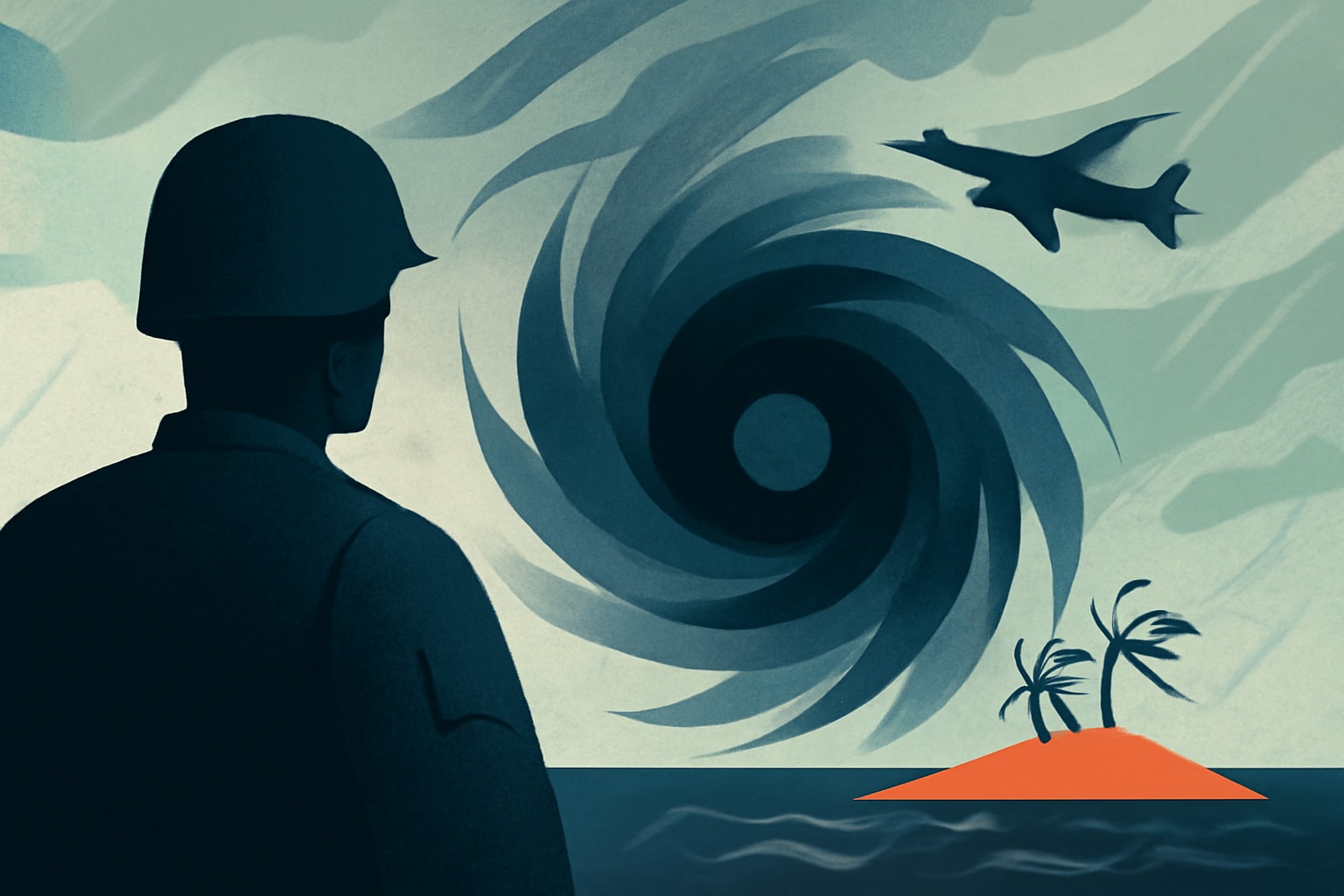
What's Happening
- •Super Typhoon Sinlaku is currently affecting a group of remote U.S. islands in the Pacific.
- •The storm has reached super typhoon status with sustained winds exceeding 150 mph.
- •Initial reports indicate hazardous conditions with wind gusts potentially surpassing 190 mph.
Why It Matters
Super Typhoon Sinlaku underscores the vulnerability of U.S. territories and military installations in the Pacific to extreme weather events. Service members and their families stationed in these regions must be prepared for potential disruptions and the need for disaster relief operations.
What Changes Now
- •Increased monitoring of weather conditions in the Pacific is underway. This will help ensure timely updates and preparedness for military personnel and residents.
- •Military resources may be deployed for disaster relief efforts. This includes personnel and equipment ready to assist with search and rescue operations and provide essential supplies.
- •Local authorities are opening shelters and urging residents to stock up on essential supplies. This proactive measure aims to ensure community safety during the storm.
What to Watch
- •Damage assessments on affected islands will begin shortly after the storm passes. These assessments will provide crucial information for recovery efforts and resource allocation.
- •The U.S. military's response and aid efforts will be closely monitored. Their actions will determine the effectiveness of disaster relief and support for affected communities.
- •Updates from local emergency management agencies will be vital for residents. Staying informed about the storm's progress and safety measures is essential for community preparedness.
Get the Daily Briefing
Military and veteran news that actually affects you, in your inbox each morning.
More Context
- •Impact on Military Installations: Super Typhoon Sinlaku is wreaking havoc on a chain of remote U.S. islands in the Pacific, particularly threatening military installations in Guam and the Northern Mariana Islands. These areas host critical military assets, including Naval Base Guam and Andersen Air Force Base, which are vital for U.S. operations in the region. The storm's trajectory places these installations directly in its path, raising concerns about potential damage and operational disruptions. The U.S. military is closely monitoring the situation, prepared to respond with necessary resources.
- •Preparation and Response Efforts: In anticipation of the storm's impact, U.S. Indo-Pacific Command (INDOPACOM) has activated crisis response protocols. This includes pre-positioning personnel and equipment from Marine Corps Base Camp Blaz and other regional hubs to assist with search and rescue operations, medical care, and distribution of essential supplies. As the storm progresses, the military will coordinate closely with local authorities and emergency management agencies to ensure effective disaster response and recovery efforts.
- •Historical Context and Future Risks: The frequency and intensity of super typhoons in the Pacific are increasing, with past storms like Super Typhoon Pongsona in 2002 and Super Typhoon Yutu in 2018 causing extensive damage to Guam and the Northern Mariana Islands. The low-lying nature of these islands makes them particularly vulnerable to flooding and storm surges. Climate change is expected to exacerbate these risks, prompting the need for robust disaster preparedness and mitigation measures. Residents and military personnel are urged to stay informed and take necessary precautions as the storm approaches.
- •Support Resources for Affected Communities: As recovery efforts begin, various support resources are available for military personnel and veterans affected by the storm. Military OneSource offers 24/7 counseling and support services, while the Department of Veterans Affairs provides assistance with healthcare and housing. Additionally, organizations like the American Red Cross are mobilizing to assist affected communities, and volunteers are encouraged to help with recovery. It is crucial for those impacted to seek support and stay connected with local resources during this challenging time.
Veteran Take
For those who've served in the Pacific, the threat of natural disasters is a stark reminder of the challenges we face beyond combat. Veterans navigating this will understand the importance of preparedness and community support during such crises, as we’ve often relied on each other in tough times. The impact of Super Typhoon Sinlaku highlights the need for robust disaster response plans to protect both military personnel and the local populations they serve.
The Daily Briefing
Military & veteran news that actually affects you — delivered every morning.
- Pay, benefits & policy changes
- Pentagon decisions that matter
- VA updates for veterans & families
- One email. No spam. Unsubscribe anytime.
Related Stories
- Army Releases ‘Know the Threat’ Guide on Iranian Soldiers— Task & Purpose
- U.S. Army Awards $43 Million for New Software Platform on Classified Materials— Military Times
- German Pilots Prepare for CH-47F Fleet with U.S. Army Flight Simulators— Army Times
- Lawmakers Call for Pentagon to Monitor Civilian Suicides— Federal News Network