U.S. Military Strikes Drug Smuggling Boats, Killing Five in Eastern Pacific
The U.S. military destroyed two vessels allegedly involved in drug smuggling in the Eastern Pacific, resulting in multiple casualties.
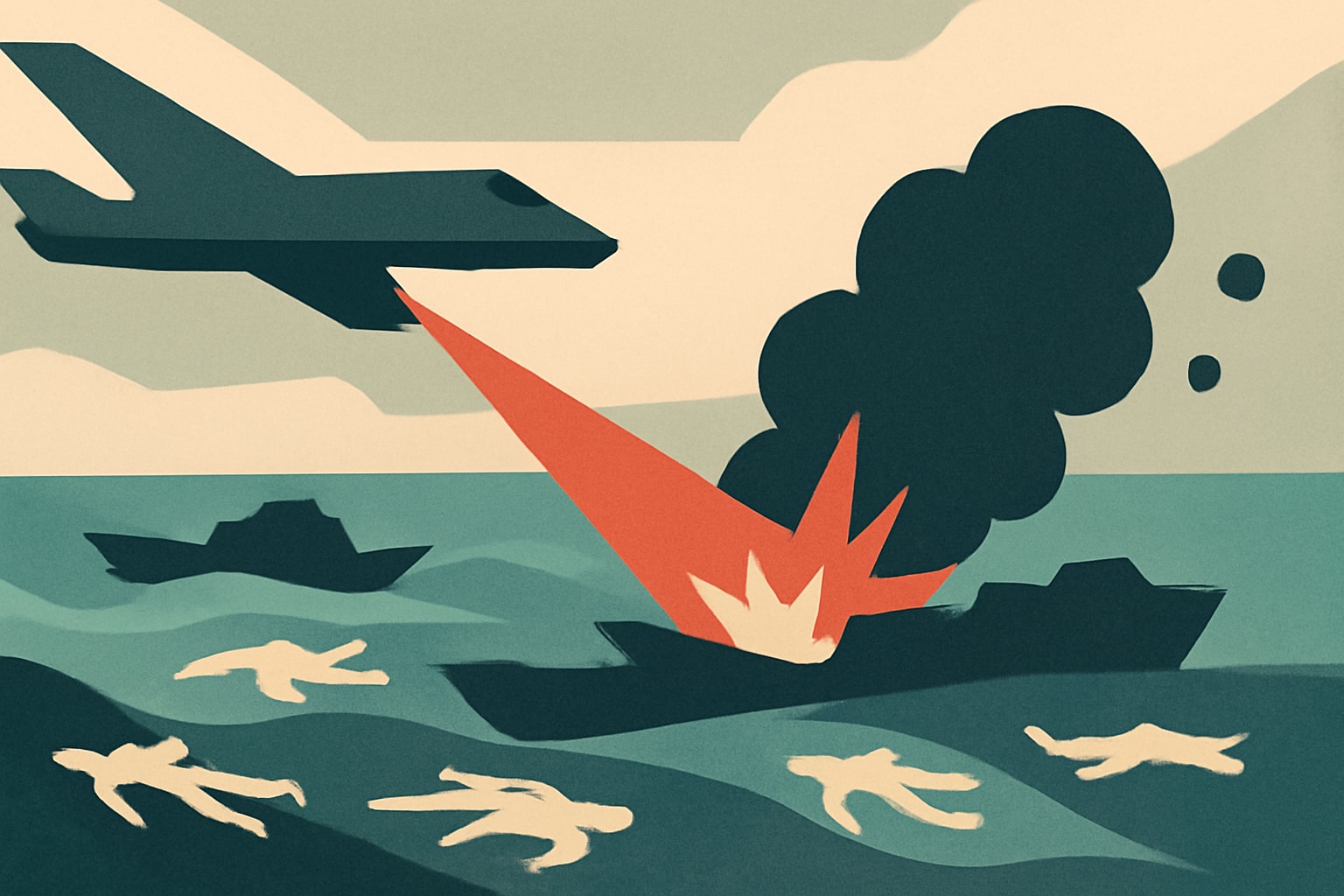
What's Happening
- •The U.S. military engaged and destroyed two boats suspected of drug trafficking on April 13, 2026.
- •The operation resulted in the deaths of five individuals, with one survivor found at the scene.
- •The strikes were part of ongoing counter-narcotics efforts in the Eastern Pacific.
Why It Matters
The U.S. military's role in counter-narcotics operations highlights its commitment to combating drug trafficking, which poses a significant threat to national security. For military families and veterans, understanding the complexities and risks associated with these missions is crucial, especially for those who may have served in similar operations.
What Changes Now
- •Increased scrutiny of counter-narcotics operations in the Eastern Pacific is expected. This will involve a review of operational protocols to enhance safety and effectiveness.
- •Potential adjustments to rules of engagement may be implemented to minimize casualties in future operations. This could lead to more stringent guidelines on the use of force in similar situations.
- •The investigation into this incident will likely result in operational changes based on its findings. This process aims to ensure adherence to legal standards and improve mission outcomes.
What to Watch
- •The results of the investigation into the incident will be closely monitored. This inquiry will assess compliance with rules of engagement and operational effectiveness.
- •Future U.S. military operations in the Eastern Pacific will be shaped by the lessons learned from this incident. Stakeholders will be watching for any changes in strategy or tactics.
- •Updates on the survivor's interrogation may provide insights into drug trafficking networks. This information could influence future counter-narcotics efforts.
Get the Daily Briefing
Military and veteran news that actually affects you, in your inbox each morning.
More Context
- •Details of the Operation: On April 13, 2026, U.S. military forces conducted strikes on two boats in the Eastern Pacific Ocean, which were believed to be involved in drug smuggling activities. According to the Department of Defense, the operation resulted in five fatalities and left one individual as the sole survivor. The specific military assets used in the operation have not been disclosed, but such strikes typically form part of broader counter-narcotics missions aimed at disrupting drug trafficking routes.
- •Legal Framework and Coordination: The legal authority for these military operations is derived from international agreements and U.S. law, which allow for the interdiction of drug trafficking on the high seas. These actions are often coordinated through the Joint Interagency Task Force South (JIATF-South), which collaborates with various U.S. agencies and international partners to combat illicit drug trade. This framework ensures that operations align with both national and international laws regarding maritime security.
- •Impact and Future Considerations: The survivor from the incident has been taken into custody for questioning, which may provide valuable intelligence regarding the drug trafficking network. Meanwhile, the remains of the deceased are being handled according to established protocols. An investigation is underway to assess the circumstances of the engagement, ensuring compliance with rules of engagement and evaluating the effectiveness of the operation in achieving its objectives.
- •Challenges of Counter-Narcotics Operations: Counter-narcotics operations conducted by the U.S. military are fraught with risks, including the potential for civilian casualties. While the military implements extensive measures to minimize harm to non-combatants, the nature of these missions often leads to unintended consequences. Each incident undergoes a thorough review to extract lessons learned and enhance the safety and effectiveness of future operations.
Veteran Take
For those who've served, the complexities of military operations extend beyond the battlefield. Engaging in counter-narcotics missions is a reminder that our work often intersects with broader national security issues. Veterans navigating this will understand the weight of these decisions, knowing that every operation can have lasting impacts on both the communities we protect and the lives we touch.
The Daily Briefing
Military & veteran news that actually affects you — delivered every morning.
- Pay, benefits & policy changes
- Pentagon decisions that matter
- VA updates for veterans & families
- One email. No spam. Unsubscribe anytime.
Related Stories
- Army Releases ‘Know the Threat’ Guide on Iranian Soldiers— Task & Purpose
- U.S. Army Awards $43 Million for New Software Platform on Classified Materials— Military Times
- A German U-Boat Intruded into Newport Harbor During World War I— Army Times
- Northrop Grumman’s YFQ-48A CCA Completes First Fully Autonomous Flight— Defense News