US Army Commander Highlights Evolving Role of Indo-Pacific Air Defenders
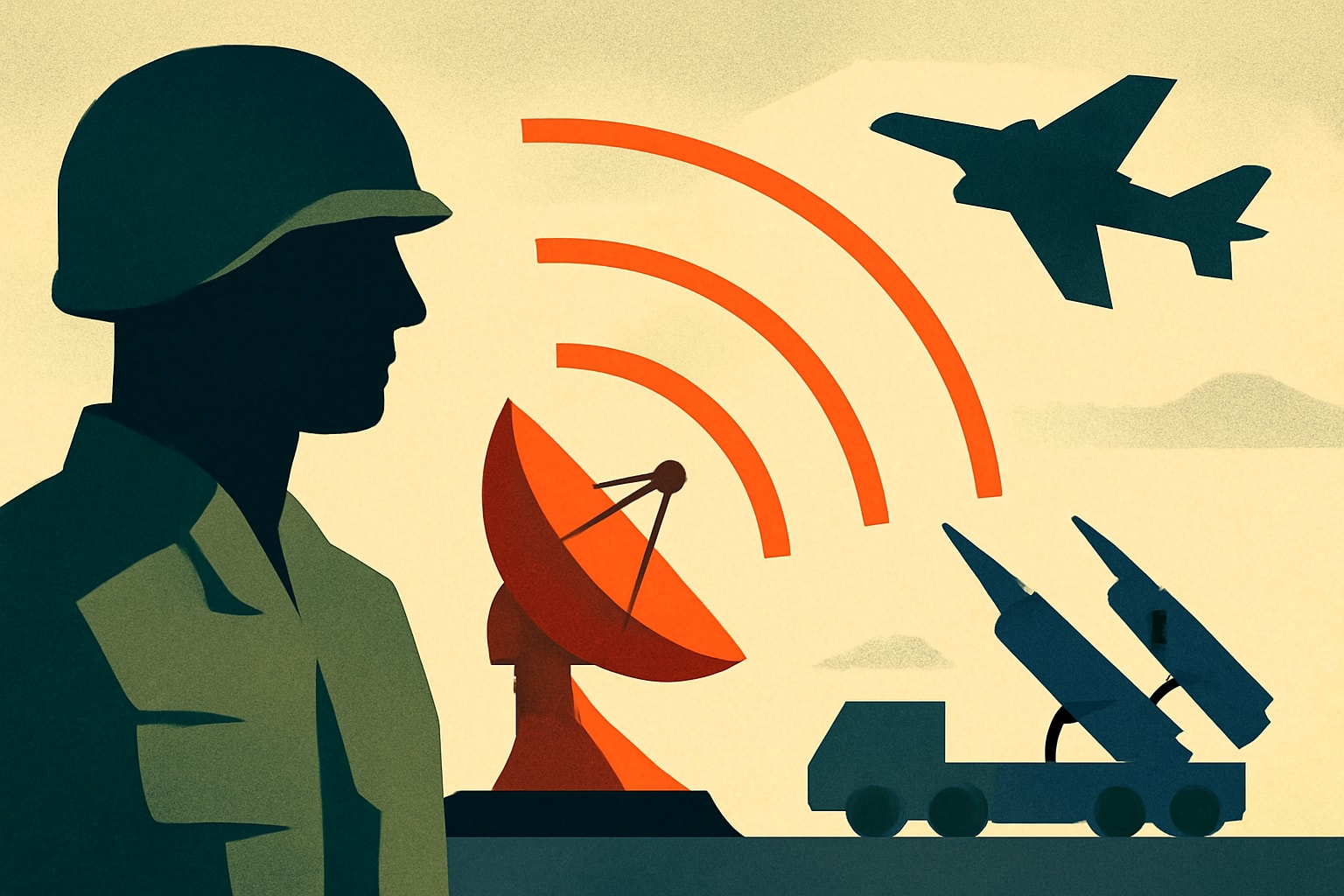
Brig. Gen. William Parker emphasizes the significant transformation of air defense operations in the Indo-Pacific.
What's Happening
- •Brig. Gen. William Parker discussed the evolving role of air defenders in the Indo-Pacific.
- •The transformation reflects a shift from traditional roles to more complex operational demands.
- •Air defense units are now integral to multi-domain operations in the region.
Why It Matters
The transformation of air defense roles in the Indo-Pacific is crucial for maintaining U.S. military readiness in a region marked by increasing tensions. Understanding these changes is vital for service members and their families as they navigate new training and operational expectations.
What Changes Now
- •Air defense training programs will be updated to include joint operational tactics. This change ensures that service members are prepared for the complexities of modern warfare.
- •Increased emphasis will be placed on integrating air defense with other military branches. This integration is essential for effective multi-domain operations in the Indo-Pacific.
- •Service members may see new technologies introduced in their units. These advancements aim to enhance operational capabilities and improve readiness against evolving threats.
What to Watch
- •Upcoming joint exercises in the Indo-Pacific will test new air defense strategies. These exercises will provide insights into the effectiveness of current operational changes.
- •The Army's integration of advanced technologies into air defense systems is a key area to monitor. This integration will shape the future capabilities of air defenders in the region.
- •Changes to training protocols for air defense personnel are expected in the coming months. Service members should stay updated on these changes to ensure they meet the new operational requirements.
Get the Daily Briefing
Military and veteran news that actually affects you, in your inbox each morning.
More Context
- •The Shift in Air Defense Strategy: Brig. Gen. William Parker, the chief of the 94th Army Air and Missile Defense Command (AAMDC), recently addressed the significant changes in air defense roles within the Indo-Pacific region. Historically, air defense units were seen as a static line of defense, primarily focused on protecting ground assets. However, the current geopolitical landscape necessitates a more dynamic approach. Air defenders are now expected to integrate seamlessly with joint and coalition forces, adapting to rapidly changing threats. This shift underscores the importance of air defense in maintaining regional stability and deterrence against potential aggressors.
- •Operational Implications for Service Members: The evolving role of air defenders has direct implications for active-duty service members, particularly those in air defense military occupational specialties (MOS) such as 14E (Patriot Fire Control Enhanced Operator/Maintainer) and 14J (Air Defense Artillery Tactical Operations Center Operator). These personnel must now be trained not only in traditional air defense tactics but also in joint operations and multi-domain strategies. This requires ongoing professional development and potential re-evaluation of training programs to ensure readiness against sophisticated threats. The emphasis on integration with other military branches and allied forces will be crucial for success in future operations.
- •Future Developments to Monitor: As the U.S. military continues to adapt its air defense strategies, several key developments are on the horizon. The Army plans to enhance its air and missile defense capabilities through the integration of advanced technologies such as artificial intelligence and unmanned systems. Additionally, ongoing exercises in the Indo-Pacific will test these new strategies and technologies, providing valuable insights into their effectiveness. Service members should stay informed about upcoming training opportunities and changes to operational protocols that may arise as these developments unfold.
Frequently Asked Questions
How will the changes in air defense affect my training?
Training programs will be updated to focus on joint operations and multi-domain strategies, ensuring readiness for modern threats.
Will I need to learn new technologies as an air defender?
Yes, there will be an emphasis on integrating advanced technologies into air defense operations, requiring ongoing training.
Veteran Take
For those who've served, the evolving role of air defenders in the Indo-Pacific underscores the importance of adapting to new threats and technologies. Veterans navigating this landscape will recognize that staying ahead of these changes is crucial not just for military readiness, but also for the safety of our families and communities. It’s a reminder that our experiences and training must continuously evolve to meet the challenges of an unpredictable world.
The Daily Briefing
Military & veteran news that actually affects you — delivered every morning.
- Pay, benefits & policy changes
- Pentagon decisions that matter
- VA updates for veterans & families
- One email. No spam. Unsubscribe anytime.
Related Stories
- 10 Money Habits That Can Save Military Families Thousands Per Year— Military.com
- Idaho National Guard Conducts Three Rescues in Four Days— Military Times
- 1st Infantry Division Soldiers Deploy to Lithuania to Deter Russian Aggression— Task & Purpose
- Pentagon Introduces New Warfighter Evaluation for Officer Promotions— Military Times