US Military Extends Restrictions for Okinawa Personnel After Marine’s Indictment
New curfews and alcohol consumption limits are set for military personnel in Okinawa following legal issues.
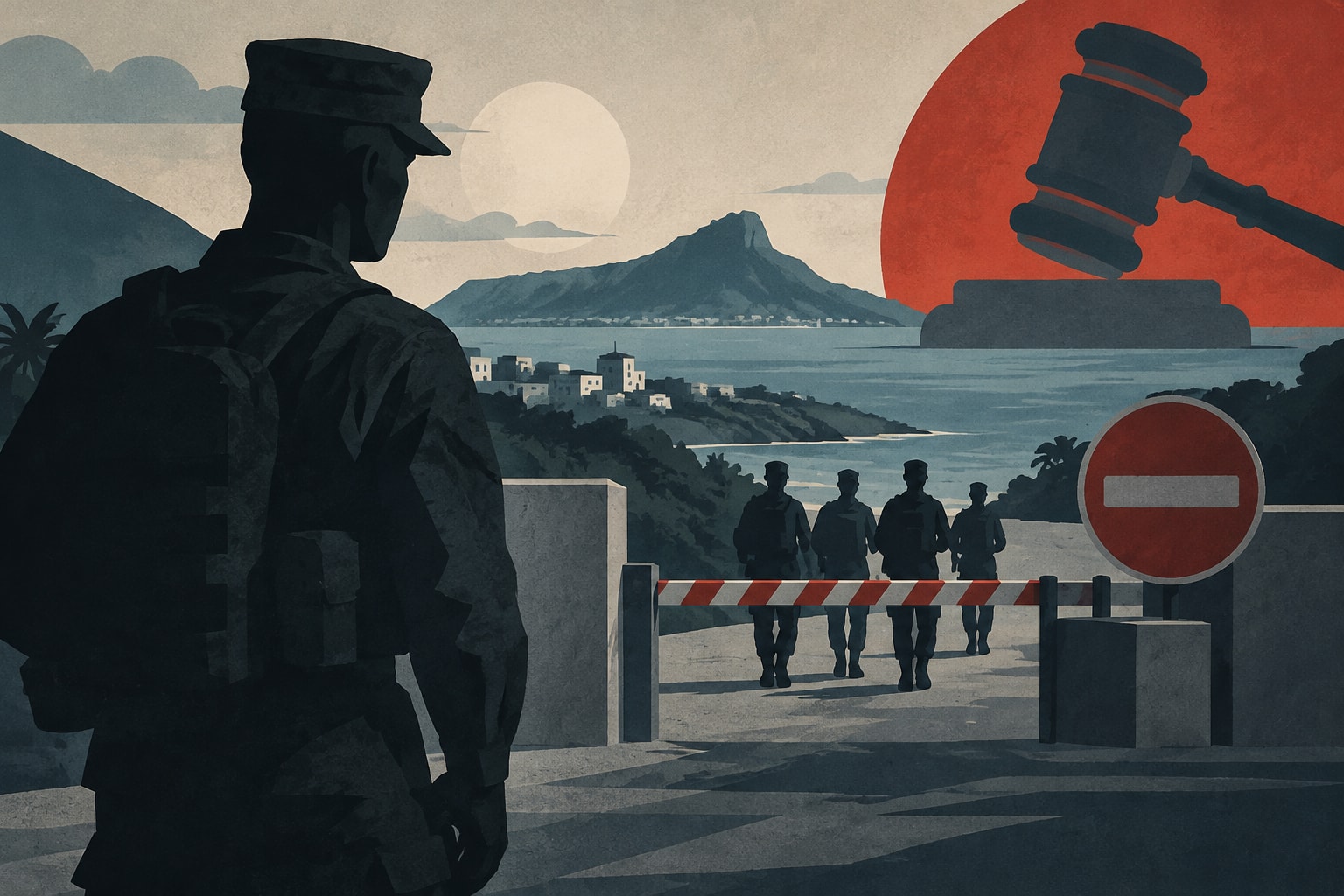
What's Happening
- •The US military is extending restrictions for personnel stationed in Okinawa.
- •These restrictions include a curfew for junior enlisted members.
- •Alcohol consumption will be curtailed after midnight.
Why It Matters
These restrictions are a response to serious incidents involving military personnel, reflecting a broader effort to ensure the safety and well-being of both service members and the local community in Okinawa. For junior enlisted personnel, these changes can impact daily life and social interactions, making it essential to understand the implications of the new rules.
What Changes Now
- •A curfew will be enforced for junior enlisted personnel starting Sunday. This means that E-1 to E-4 Marines and sailors must be back at their quarters by the designated time.
- •Alcohol consumption will be prohibited after midnight for all military personnel. This change aims to reduce incidents of misconduct and improve community relations.
- •The restrictions will last for approximately one month, subject to review. Service members should be prepared for possible extensions based on ongoing assessments by military leadership.
What to Watch
- •Watch for updates from military leadership regarding the effectiveness of these restrictions. The military will evaluate the situation regularly and may adjust policies based on the outcomes.
- •Keep an eye on community feedback from local Okinawa residents. Their input could influence future military policies and restrictions.
- •Monitor for any changes in legal proceedings related to the Marine's indictment, as these may impact the enforcement of current restrictions.
Get the Daily Briefing
Military and veteran news that actually affects you, in your inbox each morning.
More Context
- •Overview of the New Restrictions: Starting Sunday, the US military will implement new restrictions for personnel stationed in Okinawa, Japan. This decision follows the indictment of a Marine, highlighting ongoing concerns about conduct and safety within the military community in the region.
- •Details of the Curfew and Alcohol Restrictions: The curfew will specifically apply to junior enlisted service members, typically those in the E-1 to E-4 ranks. Additionally, all personnel will face restrictions on alcohol consumption after midnight, aiming to reduce incidents of misconduct and maintain order within the military community.
- •Implications for Service Members: These restrictions are particularly relevant for active-duty Marines and sailors stationed in Okinawa, as they will need to adjust their social activities accordingly. The military aims to foster a safer environment, which may involve increased supervision and accountability among service members.
- •Monitoring Future Developments: Service members should stay informed about any additional changes to these restrictions or potential extensions. The military leadership will likely assess the situation regularly, especially in light of ongoing legal issues that may affect policy decisions.
Frequently Asked Questions
Does this affect Guard members on Title 10 orders?
No, the current restrictions specifically apply to active-duty personnel stationed in Okinawa.
Will my BAH change if I move duty stations mid-year?
Your Basic Allowance for Housing (BAH) will be adjusted based on your new duty station's rates.
The Daily Briefing
Military & veteran news that actually affects you — delivered every morning.
- Pay, benefits & policy changes
- Pentagon decisions that matter
- VA updates for veterans & families
- One email. No spam. Unsubscribe anytime.
Related Stories
- Air Force Chief Advocates for Full Control of Bases— Air & Space Forces Magazine
- Army’s MAPS Contract Faces New Challenges for Small Businesses— Federal News Network
- Judge Halts Construction of New Arch at Arlington National Cemetery— Military Times
- Rep. Adam Smith Calls for Tougher Oversight of Pentagon Operations— Navy Times