Fort Hood Shooting Victims Not Memorialized Among Global War on Terror Casualties
Despite receiving Purple Hearts, the Fort Hood shooting victims' deaths are not classified as combat-related.
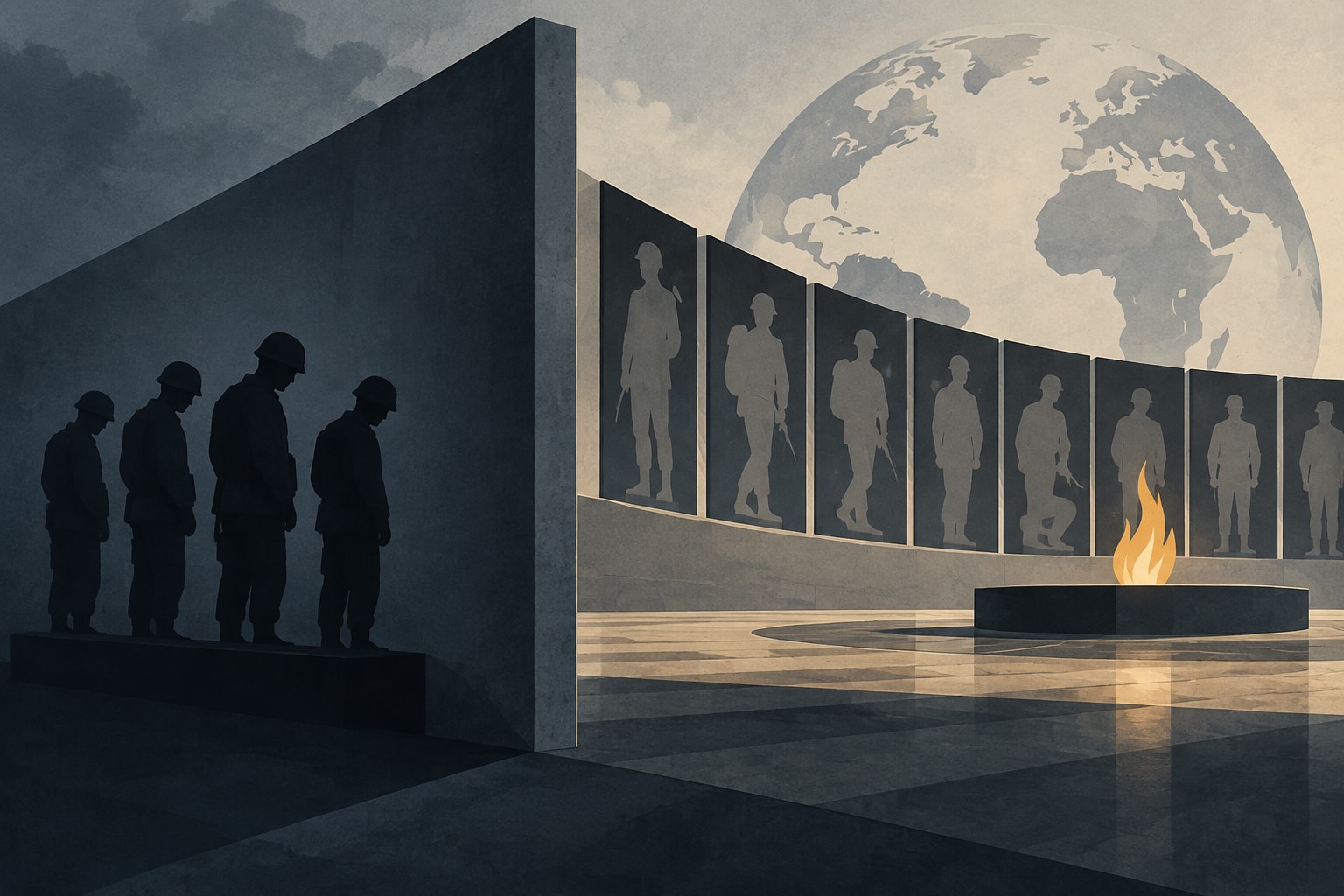
What's Happening
- •Victims of the Fort Hood shooting received Purple Hearts for their injuries.
- •Their deaths are not classified as combat-related under current military policy.
- •This situation has raised concerns about recognition and memorialization.
Why It Matters
The classification of the Fort Hood shooting victims as non-combat casualties raises critical issues about how the military recognizes and memorializes those who suffer in service. For veterans and active-duty service members, this distinction can impact their understanding of sacrifice and recognition within the military community.
What Changes Now
- •The classification of the Fort Hood shooting victims remains unchanged, meaning they will not receive the same recognition as combat casualties. This impacts how their families and the military community perceive their sacrifices.
- •Advocacy groups are pushing for policy changes to recognize all service-related casualties, which could lead to future adjustments in memorial practices. If successful, this could change how similar incidents are treated in the future.
- •Ongoing discussions within the Department of Defense may lead to a reevaluation of casualty classifications. This could create a more inclusive policy that better reflects the realities of military service.
What to Watch
- •Monitor upcoming discussions within the Department of Defense regarding casualty classification policies. These discussions could lead to significant changes in how military casualties are recognized.
- •Watch for advocacy movements aimed at changing the recognition policies for non-combat casualties. These movements may gain traction as more families and veterans speak out about their experiences.
- •Keep an eye on potential legislative actions that could influence how military casualties are memorialized. Changes in policy could arise from advocacy efforts or new congressional initiatives.
Get the Daily Briefing
Military and veteran news that actually affects you, in your inbox each morning.
More Context
- •Background on the Fort Hood Shooting: The Fort Hood shooting, which occurred in November 2009, resulted in the deaths of 13 individuals and injuries to over 30 others. This tragic event was carried out by a U.S. Army officer, Major Nidal Hasan, who was later convicted and sentenced to death. The incident shocked the military community and raised questions about the safety and mental health support for service members.
- •Purple Hearts and Combat Classification: Although the victims received Purple Hearts, a distinction typically reserved for those injured in combat, their deaths are not recognized as combat-related. This classification means that the victims do not receive the same memorialization as those who died during overseas operations in the Global War on Terror, highlighting a significant gap in how military casualties are recognized.
- •Implications for Military Families and Veterans: The lack of recognition for the Fort Hood victims affects not only the families of those lost but also the broader military community. Families may feel a sense of injustice as their loved ones' sacrifices are not honored in the same way as those who died in combat. This situation raises important discussions about mental health support and the recognition of all forms of service-related trauma.
- •Future Considerations and Advocacy: Advocates are calling for a reevaluation of how military casualties are classified to ensure that all service members who suffer in the line of duty are recognized appropriately. Discussions are ongoing within the Department of Defense regarding potential policy changes that could address these concerns and provide a more inclusive recognition for all service members affected by violence, whether in combat zones or at home.
Frequently Asked Questions
Does this affect Guard members on Title 10 orders?
Yes, the classification of casualties can impact all service members, including those in the National Guard on Title 10 orders, as it affects how their service is recognized.
Will my BAH change if I move duty stations mid-year?
Your Basic Allowance for Housing (BAH) may change if you move to a new duty station mid-year, as it is based on the location of your new assignment.
The Daily Briefing
Military & veteran news that actually affects you — delivered every morning.
- Pay, benefits & policy changes
- Pentagon decisions that matter
- VA updates for veterans & families
- One email. No spam. Unsubscribe anytime.
Related Stories
- Hegseth Vows to Defend Pentagon Policies as Democrats Gain Control of Congress— Federal News Network
- Army Honors Soldiers Who Faced Down Fort Stewart Gunman— Military Times
- NASA Astronaut Ellen Ochoa Leads Voter Mobilization Efforts— Military.com
- Army Chaplain Corps Enhances Readiness for Future Mass Casualties— Task & Purpose