Civil Air Traffic Control Outages and Their Impact on Military Flights
Civil air traffic control outages pose challenges for military flight operations due to shared systems and aging infrastructure.
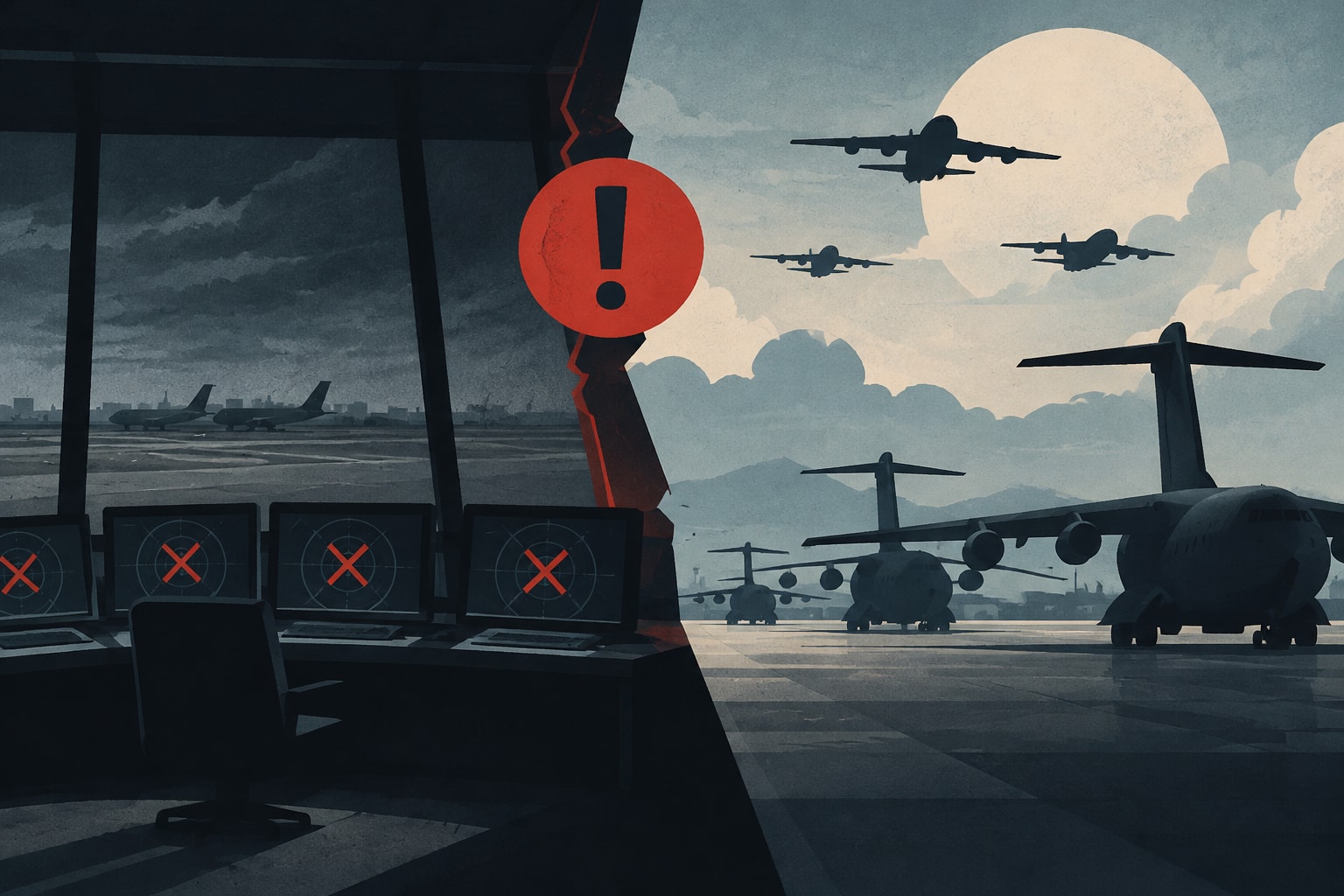
What's Happening
- •Civil and military air traffic controllers share systems for flight coordination.
- •Aging military infrastructure complicates response to outages.
- •FAA modernization efforts are underway to improve air traffic management.
Why It Matters
For military operations, the ability to navigate airspace efficiently is critical to mission success. Civil air traffic control outages can lead to operational delays, which may affect readiness and response times for active-duty units and reserve components alike.
What Changes Now
- •Military flight operations may experience delays due to civil air traffic control outages. This means pilots and aircrew must remain flexible and prepared for changes in flight plans.
- •Air traffic control specialists will need to enhance their coordination with civilian counterparts. This will require additional training and communication protocols to ensure safety during outages.
- •Service members should stay informed about FAA modernization timelines. Understanding these changes will help them anticipate how new systems may impact military operations.
What to Watch
- •Monitor FAA announcements regarding air traffic control system upgrades. These updates will provide insight into how modernization efforts may affect military operations.
- •Watch for reports on the status of military infrastructure improvements. This will help gauge how effectively the military is addressing its aging systems.
- •Keep an eye on joint exercises that test coordination between military and civilian air traffic control. These exercises will reveal how well both sectors can work together during outages.
Get the Daily Briefing
Military and veteran news that actually affects you, in your inbox each morning.
More Context
- •Shared Systems and Coordination: Military and civilian air traffic control systems are interconnected, which means that disruptions in civilian air traffic can directly impact military flight operations. This coordination is crucial for maintaining safety and efficiency in the skies, especially during high-traffic periods or emergencies.
- •Challenges from Aging Infrastructure: The military faces significant challenges due to outdated infrastructure that does not integrate well with modern civilian systems. These shortcomings can lead to delays and increased risks for military flights, particularly for those operating in or near congested airspace.
- •FAA Modernization Efforts: The Federal Aviation Administration (FAA) has initiated modernization programs aimed at improving air traffic management. While these efforts are designed to enhance overall safety and efficiency, military planners must adapt to changes that may take time to implement fully.
- •Operational Implications for Service Members: Service members, particularly those in aviation roles such as pilots (rated officers) and air traffic control specialists (AFSC 1C1X1), need to be aware of how these outages can affect mission readiness. Understanding the limitations imposed by civilian air traffic control can help them prepare for potential delays or rerouting during operations.
Frequently Asked Questions
Does this affect Guard members on Title 10 orders?
Yes, Guard members on Title 10 orders may experience delays in flight operations due to civil air traffic control outages, as they operate under the same airspace regulations.
Will military flights be rerouted during outages?
Yes, military flights may be rerouted to avoid congested airspace affected by outages, which could impact mission timelines and operational readiness.
The Daily Briefing
Military & veteran news that actually affects you — delivered every morning.
- Pay, benefits & policy changes
- Pentagon decisions that matter
- VA updates for veterans & families
- One email. No spam. Unsubscribe anytime.
Related Stories
- Congress Has Opportunity to Change Military Sexual Assault Laws— Military Times
- Army Extends Data Operations Center Pilot by One Year— DefenseScoop
- Marine Corps Discharges Raise Alarm Over Treatment of Assault Victims— Military Times
- Steps for Military Personnel to Recover from a Financial Crisis— Navy Times