Marine Corps Discharges Raise Alarm Over Treatment of Assault Victims
Recent reports reveal that over 30 Marines have been discharged after reporting sexual assaults, highlighting systemic issues.
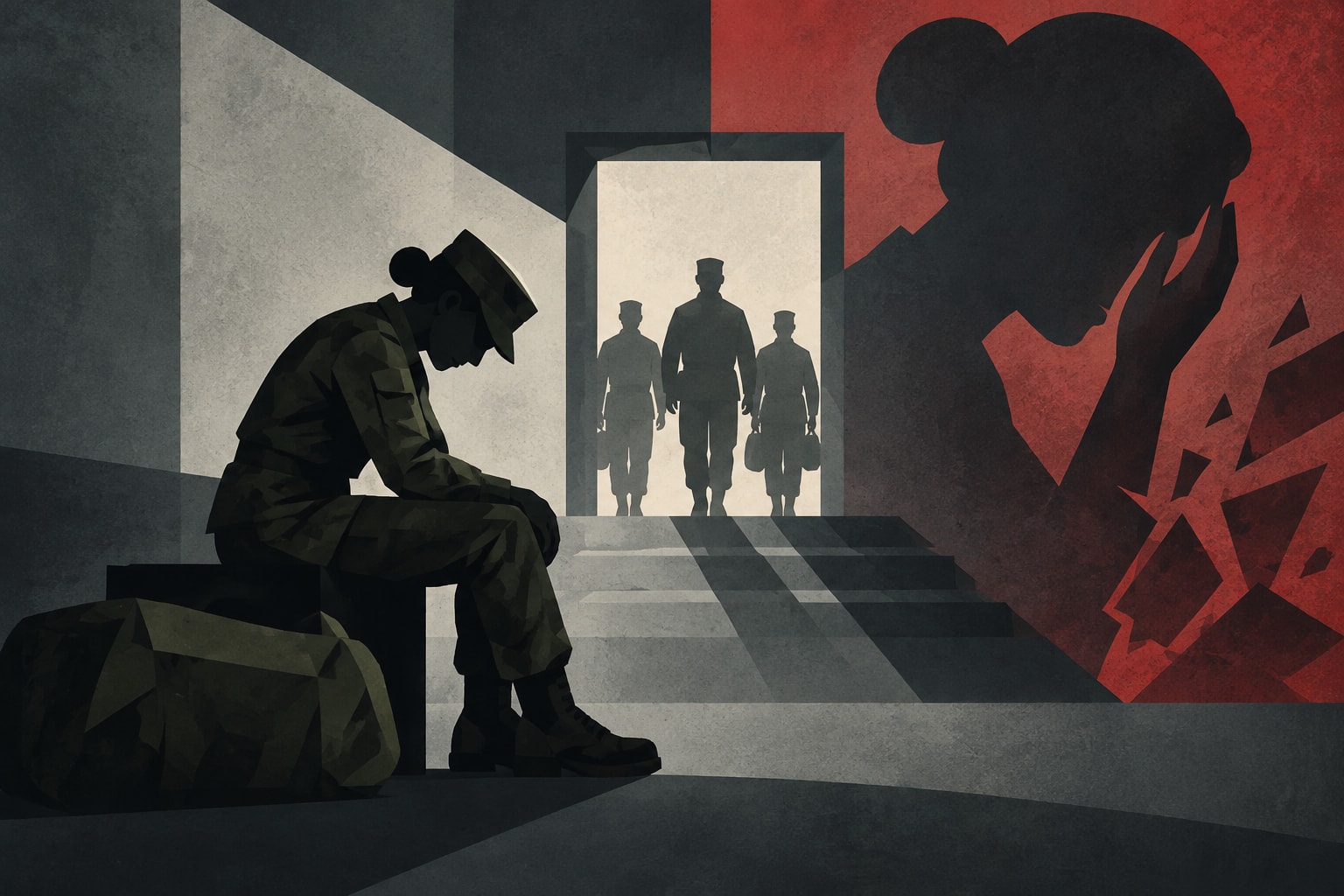
What's Happening
- •At least 30 Marines have been discharged after reporting sexual assault incidents over the past five years.
- •These discharges have raised concerns about the Marine Corps' treatment of sexual assault victims.
- •The data was obtained by The War Horse, highlighting systemic issues within the military justice system.
Why It Matters
The treatment of sexual assault victims in the military is a critical issue that affects not only individual service members but also overall unit cohesion and morale. When victims fear retaliation or discharge for reporting assaults, it creates a culture of silence that can perpetuate violence and undermine trust within the ranks.
What Changes Now
- •The Marine Corps is under increased scrutiny regarding its handling of sexual assault cases. This heightened attention may lead to policy revisions aimed at better protecting victims and ensuring fair treatment.
- •Advocacy groups are pushing for legislative changes that would reform military justice processes. If successful, these changes could provide greater protections for victims and alter how cases are managed.
- •Service members may experience a shift in the culture surrounding reporting sexual assault. This could encourage more individuals to come forward, knowing that there may be reforms in place to protect them.
What to Watch
- •Upcoming legislative proposals aimed at reforming military sexual assault policies are expected. These discussions will involve key lawmakers and advocacy groups, with potential implications for how cases are handled in the future.
- •The Marine Corps may release updated guidelines on handling sexual assault reports in response to public outcry. Monitoring these changes will be important for understanding how the Corps plans to address these issues.
- •Advocacy organizations are likely to increase their campaigns for change within the military. Observing their efforts will provide insight into the evolving landscape of support for victims.
Get the Daily Briefing
Military and veteran news that actually affects you, in your inbox each morning.
More Context
- •The Discharge Statistics: The recent disclosure of discharge statistics reveals a troubling trend within the Marine Corps regarding how sexual assault cases are handled. Over the past five years, at least 30 Marines have faced discharge after reporting their experiences of sexual assault. This statistic raises questions about the support and protection offered to service members who come forward with such serious allegations. The implications of these discharges extend beyond individual cases, potentially discouraging others from reporting similar incidents due to fear of retaliation or negative consequences.
- •Impact on Victims: For those who have served, the repercussions of reporting sexual assault can be devastating. Victims often face not only the trauma of their experiences but also the added burden of navigating a military system that may not adequately support them. The discharges of these Marines send a chilling message to others in similar situations, suggesting that reporting can lead to career-ending consequences. This situation underscores the need for a thorough review of policies surrounding sexual assault reporting and the subsequent treatment of victims within the military.
- •Calls for Change: In light of these findings, there are growing calls from advocacy groups and lawmakers for reforms within the military justice system. Advocates argue that the current processes do not sufficiently protect victims and may inadvertently punish those who seek help. Proposed changes include implementing better support systems for victims and ensuring that reporting mechanisms do not lead to punitive actions against service members. As discussions continue, it remains crucial for the military to address these issues to foster a safer environment for all personnel.
Frequently Asked Questions
What should I do if I experience sexual assault in the military?
Immediately report the incident to your chain of command or a designated sexual assault response coordinator (SARC). It's important to seek medical attention and support services.
Can I report sexual assault anonymously?
Yes, you can report sexual assault anonymously through the military's Safe Helpline or by contacting a SARC. However, anonymous reporting may limit the actions that can be taken.
What protections do I have if I report sexual assault?
Service members are entitled to certain protections under the military's sexual assault policies, but experiences may vary. It's crucial to understand your rights and seek guidance from a legal assistance office.
The Daily Briefing
Military & veteran news that actually affects you — delivered every morning.
- Pay, benefits & policy changes
- Pentagon decisions that matter
- VA updates for veterans & families
- One email. No spam. Unsubscribe anytime.
Related Stories
- Medicare Part B Premiums Set to Increase for Military Retirees in 2027— Military.com
- Pearl Harbor 85th Anniversary: Events Scheduled for December 6-8, 2026— Military.com
- Entire Command Team of USS South Dakota Relieved Following Grounding Incident— Task & Purpose
- UN War Crimes Findings Could Challenge US Military Aid to Israel— Military.com