Congress Has Opportunity to Change Military Sexual Assault Laws
Congress is urged to allow service members to take legal action against military sexual assault in the current session.
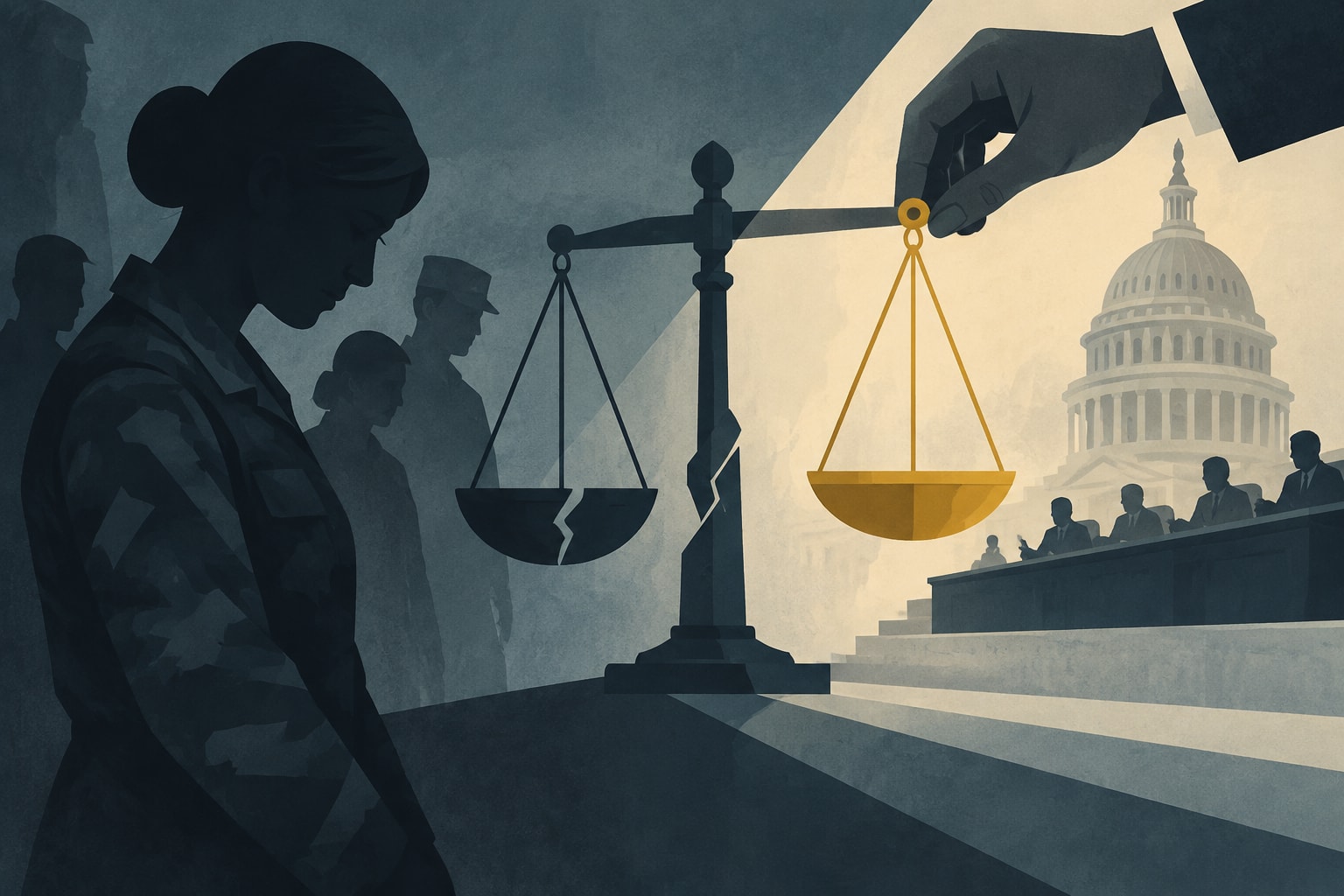
What's Happening
- •Current law prevents service members from suing for sexual assault in military courts.
- •Congress is in a lame-duck session, presenting an opportunity for legislative change.
- •Law school professors are advocating for amendments to existing laws regarding sexual assault.
Why It Matters
This issue is critical for service members who have faced sexual assault and have felt powerless under the current legal system. Allowing legal recourse could lead to greater accountability and a safer environment for all military personnel.
What Changes Now
- •If Congress acts, service members may gain the right to sue for sexual assault. This change would allow victims to hold perpetrators accountable in a civil court, providing a new avenue for justice.
- •Legal definitions and procedures around military sexual assault could be reformed. This would likely lead to more comprehensive support systems for victims within the military.
- •The military's approach to handling sexual assault cases could shift significantly. This change is crucial for fostering a culture of accountability and support for victims.
What to Watch
- •Watch for proposed legislation in the current Congress session. This is critical as it will determine the potential for legal changes regarding sexual assault.
- •Pay attention to discussions among lawmakers about the implications of such legislation. These discussions will provide insight into the likelihood of passing new laws.
- •Monitor advocacy efforts from military and veteran organizations. Their influence could play a key role in shaping the final outcome of any proposed changes.
Get the Daily Briefing
Military and veteran news that actually affects you, in your inbox each morning.
More Context
- •Current Legal Framework: Under the current legal framework, service members are unable to pursue civil lawsuits against fellow military personnel for sexual assault. This limitation has been a significant barrier for victims seeking justice and accountability within the military justice system.
- •Congressional Opportunity: The ongoing lame-duck session of Congress provides a unique opportunity to amend this law. Lawmakers can introduce legislation that allows service members to take legal action against sexual assault, potentially transforming the military's approach to handling such cases.
- •Impact on Service Members: If Congress passes new legislation, it could empower active-duty personnel, particularly E-4 to E-6 soldiers in combat arms, to seek justice for sexual assault incidents. This change would not only provide a legal avenue for victims but also signal a cultural shift within the military towards zero tolerance for sexual misconduct.
- •Monitoring Legislative Developments: Service members and veterans should closely monitor the progress of proposed legislation in Congress. Key dates and discussions will be crucial in determining whether these changes will take effect and how they might impact the military justice system.
Frequently Asked Questions
Can I sue for sexual assault if I am in the military?
Currently, service members cannot sue fellow military personnel for sexual assault due to existing laws. Proposed changes in Congress could alter this situation.
What should I do if I experience sexual assault in the military?
Report the incident to your chain of command or seek assistance from a military sexual assault response coordinator. It is important to utilize available resources for support.
The Daily Briefing
Military & veteran news that actually affects you — delivered every morning.
- Pay, benefits & policy changes
- Pentagon decisions that matter
- VA updates for veterans & families
- One email. No spam. Unsubscribe anytime.
Related Stories
- Army Extends Data Operations Center Pilot by One Year— DefenseScoop
- Denmark Ratifies Security Agreement with U.S. Over Greenland— Military Times
- China's Naval Presence Near Japan Raises Concerns for U.S. Forces— Defense News
- Revamping Procurement Processes for C-UAS Innovation— Federal News Network