China's Naval Presence Near Japan Raises Concerns for U.S. Forces
China's naval activities near Japan have intensified, signaling potential regional tensions and implications for U.S. military operations.
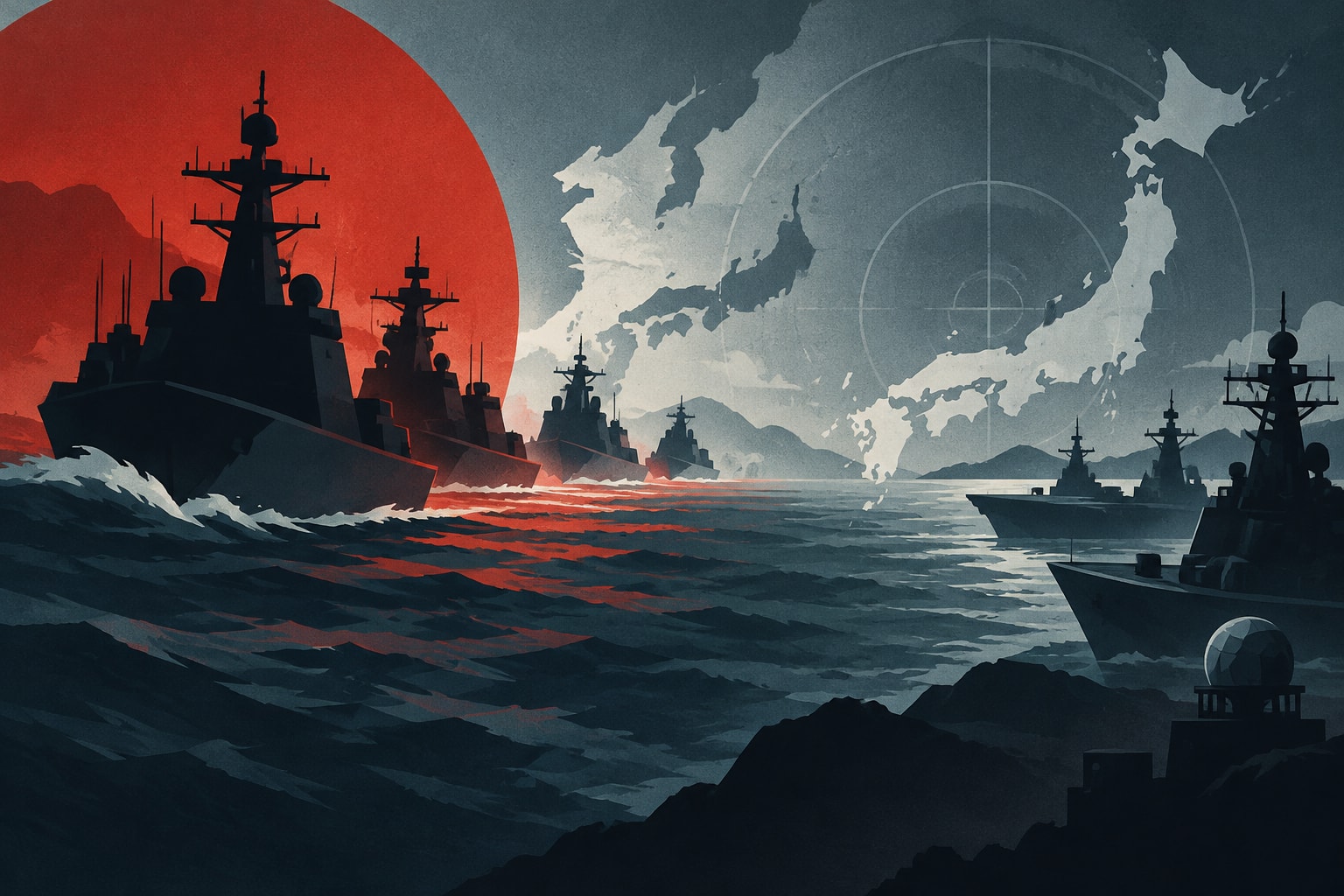
What's Happening
- •China has increased its naval presence near Japan since a political disagreement in 2025.
- •The Chinese flotilla included both coast guard and navy vessels, indicating a show of force.
- •Military experts believe this naval activity is aimed at Japan and may affect regional security dynamics.
Why It Matters
The normalization of China's naval presence near Japan could significantly impact U.S. military operations and strategies in the Indo-Pacific region. For service members and their families, understanding these dynamics is crucial as they may influence deployments, readiness levels, and overall security in the area.
What Changes Now
- •The U.S. military may adjust its operational strategies in response to China's increased naval presence. This could involve heightened readiness protocols and more frequent joint exercises with Japanese forces.
- •Service members in the region should prepare for potential changes in deployment schedules or mission parameters. Communication from command will provide clarity on how these adjustments will affect individual units.
- •Military families may experience increased anxiety regarding regional tensions. Support resources, including counseling and informational briefings, will be important for navigating these changes.
What to Watch
- •Upcoming joint military exercises between the U.S. and Japan will be critical to monitor. These exercises will demonstrate the U.S. commitment to regional security and may influence future operations.
- •The Department of Defense is expected to release assessments regarding the implications of China's naval activities. These reports will provide insights into how the U.S. plans to adapt its military posture in the region.
- •Watch for statements from military leadership regarding changes in deployment readiness. These announcements will clarify how service members should prepare for potential operational shifts.
Get the Daily Briefing
Military and veteran news that actually affects you, in your inbox each morning.
More Context
- •Increased Naval Activity: Since 2025, following a significant political spat, China has reportedly normalized its naval presence near Japan. This includes a substantial flotilla composed of both the Chinese navy and coast guard vessels, which experts suggest could be a strategic maneuver aimed at asserting dominance in the region.
- •Implications for U.S. Forces: The heightened naval presence poses direct implications for U.S. military operations in the Pacific. Active-duty service members stationed in Japan, particularly those in naval and air operations, may face increased scrutiny and potential operational adjustments as they respond to the evolving security landscape.
- •Regional Security Concerns: Japan's growing concerns over China's maritime activities may lead to increased military collaboration with the United States. This could involve joint exercises and enhanced readiness protocols, impacting service members across various branches, especially those in the Indo-Pacific Command.
- •Monitoring Developments: As the situation evolves, military families and veterans should stay informed about potential changes in U.S. defense posture. Keeping abreast of announcements from the Department of Defense will be crucial for understanding how these developments may affect deployments and readiness.
Frequently Asked Questions
Does this affect Guard members on Title 10 orders?
Yes, Guard members on Title 10 orders may see changes in their mission focus or deployment timelines due to increased regional tensions.
Will my BAH change if I move duty stations mid-year?
Your Basic Allowance for Housing (BAH) may change based on your new duty station's cost of living, so it's essential to check the BAH rates for your new location.
The Daily Briefing
Military & veteran news that actually affects you — delivered every morning.
- Pay, benefits & policy changes
- Pentagon decisions that matter
- VA updates for veterans & families
- One email. No spam. Unsubscribe anytime.
Related Stories
- DoD Restores Parental Access to Teens’ Medical Records— Military Times
- US Army Takes Urgent Action to Build Concrete Bunkers Across the Middle East— Military Times
- Coast Guard Responds to New Orleans Ship Collision, 195 People Accounted For— Military Times
- Disney Announces Military Discounts for 2027— Military.com