Most Military Branches Don’t Fully Check if Suicide Prevention Training Works
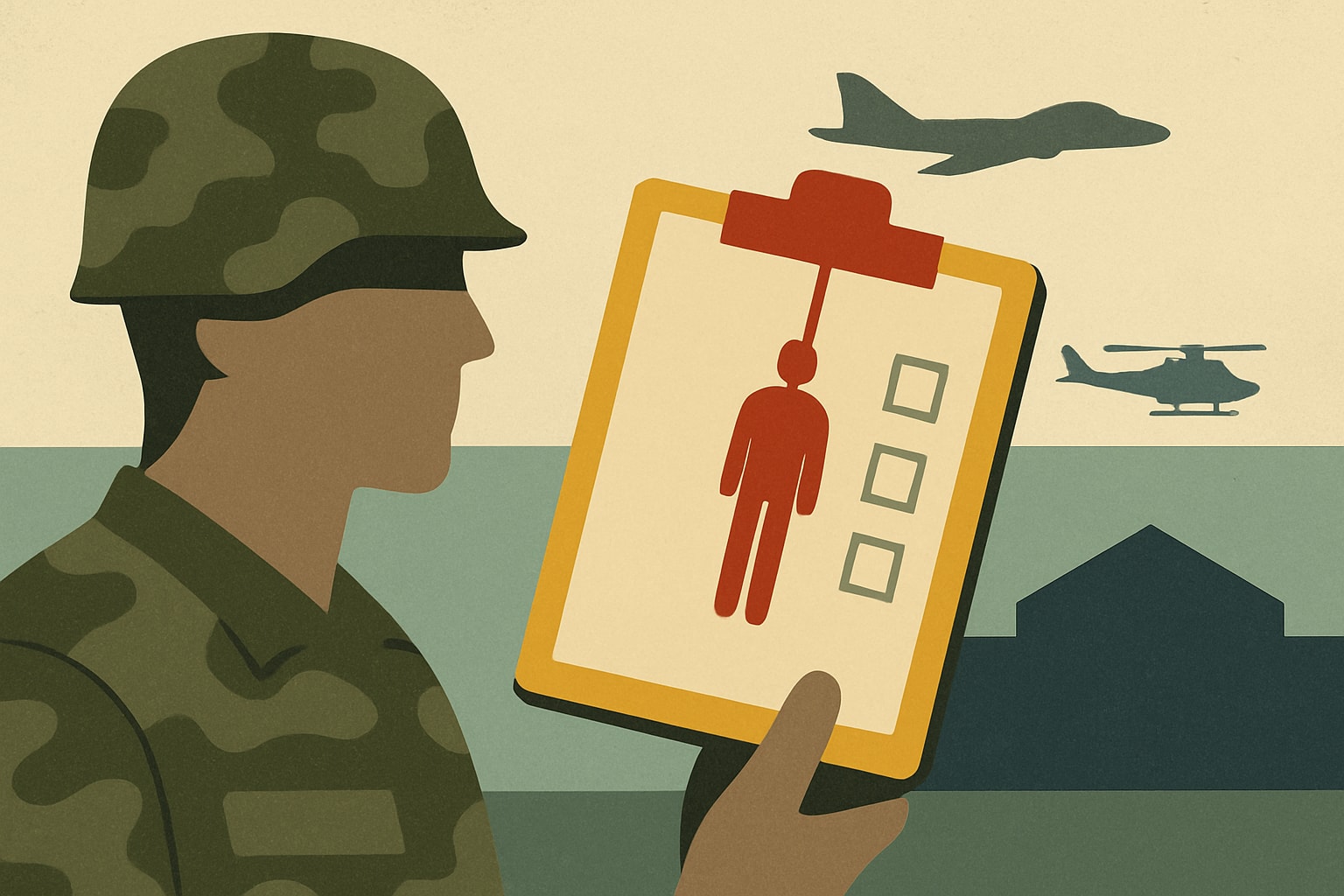
A recent watchdog report highlights significant gaps in evaluating the effectiveness of suicide prevention training across military branches.
What's Happening
- •A Government Accountability Office report reveals that the Army, Navy, and Marine Corps do not effectively evaluate suicide prevention training.
- •The Air Force has some tracking and evaluation plans, but they are incomplete.
- •This lack of evaluation raises concerns about the effectiveness of suicide prevention efforts across the military.
Why It Matters
The effectiveness of suicide prevention training is critical for the well-being of military personnel. With rising suicide rates among service members, ensuring that training programs are properly evaluated can help identify gaps and improve mental health support.
What Changes Now
- •Military branches may begin to implement standardized evaluation metrics for suicide prevention training. This will help ensure that the training is effective and meets the needs of service members.
- •Increased oversight from Congress could lead to more funding for mental health initiatives. This funding is essential for developing effective training programs and support systems.
- •Service members might see changes in their training curriculum as evaluation methods are improved. These changes aim to provide better support for mental health challenges.
What to Watch
- •Upcoming congressional hearings may address the GAO report's findings. These hearings could influence future funding and policy decisions regarding mental health support.
- •Military branches will likely announce new evaluation strategies in response to the report. Monitoring these announcements will be crucial for understanding how training effectiveness will be measured.
- •Advocacy groups may push for more transparency in suicide prevention training evaluations. This could lead to increased accountability for military leadership.
Get the Daily Briefing
Military and veteran news that actually affects you, in your inbox each morning.
More Context
- •Overview of the GAO Report: The Government Accountability Office (GAO) recently released a report assessing the effectiveness of suicide prevention training within the military. The findings indicate that while the Army, Navy, and Marine Corps generally do not track or evaluate the effectiveness of their training programs, the Air Force has made some attempts. However, the Air Force's efforts are still lacking in key areas, suggesting that overall military suicide prevention strategies may not be as robust as needed.
- •Impact on Service Members: The lack of effective evaluation of suicide prevention training directly affects service members, particularly those in high-stress roles such as infantry and special operations. For example, active-duty E-4 to E-6 combat arms soldiers may be receiving training that is not adequately assessed for its impact, potentially leaving them without the necessary support to cope with mental health challenges. This gap in evaluation could lead to continued high rates of suicide within these ranks, highlighting the urgent need for improved oversight.
- •What Changes Now?: In light of the GAO report, military branches may be compelled to reassess their training programs and implement more rigorous evaluation methods. This could involve developing standardized metrics for measuring training effectiveness and ensuring that feedback from service members is incorporated into program improvements. Additionally, there may be increased pressure from Congress to allocate funding for these evaluations, which could result in more resources being directed toward mental health initiatives.
- •Future Considerations: As military leadership digests the findings of the GAO report, it will be crucial to monitor any changes in suicide prevention training protocols. Upcoming congressional hearings may focus on this issue, with lawmakers seeking to understand how the military plans to address these gaps. Stakeholders, including veterans' organizations and mental health advocates, will likely be watching closely to ensure that effective measures are implemented to protect service members' mental health.
Frequently Asked Questions
Does this affect Guard members on Title 10 orders?
Yes, the findings of the GAO report apply to all branches of the military, including those in the National Guard on Title 10 orders.
Will my BAH change if I move duty stations mid-year?
Your Basic Allowance for Housing (BAH) may change if you move to a different area with a different BAH rate, depending on your new duty station.
Veteran Take
For those who've served, the issue of suicide prevention training is not just a statistic; it's a matter of life and death. We know firsthand the pressures and struggles that can lead to these tragic outcomes, and it’s disheartening to see that the branches aren’t fully committed to evaluating the very programs meant to help us. Veterans navigating this landscape deserve effective support systems that are constantly assessed and improved, not just checkbox training that may fall short when it matters most.
The Daily Briefing
Military & veteran news that actually affects you — delivered every morning.
- Pay, benefits & policy changes
- Pentagon decisions that matter
- VA updates for veterans & families
- One email. No spam. Unsubscribe anytime.
Related Stories
- Navy Nurse Leads Initiative to Enhance Children's Trauma Care in Military Medicine— Federal News Network
- Joint Base Andrews Activates New Helicopter Squadron for HH-60W Mission— Military Times
- US Marines Achieve Historic Certification at Darwin Base— Military Times
- Joint Base Charleston Renamed to Joint Base Lindsey Graham— Army Times