Soldiers Adapt to Drone Operations in the Mojave Desert
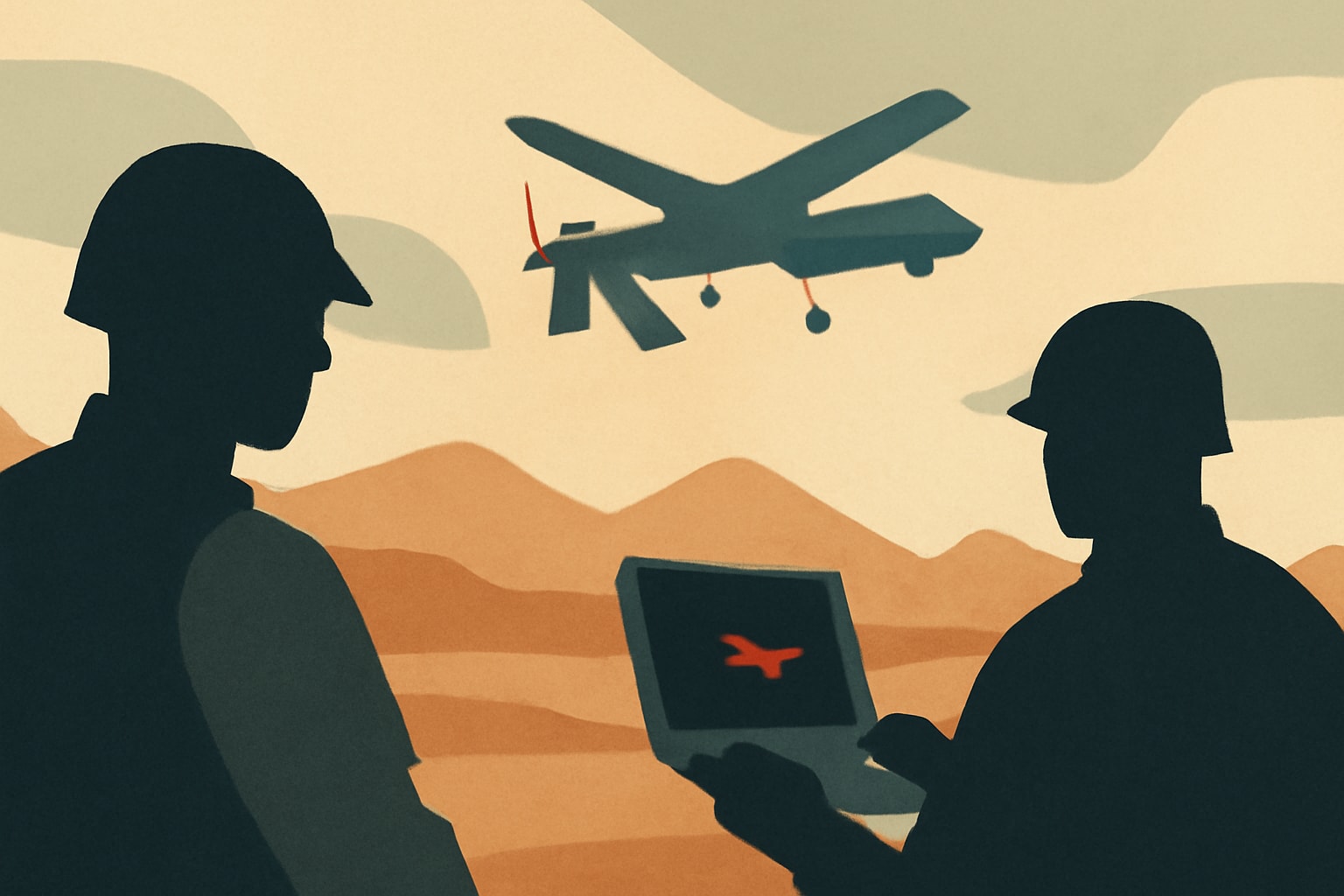
Project Convergence Capstone 6 revealed key lessons for soldiers regarding drone capabilities and challenges.
What's Happening
- •Soldiers participated in Project Convergence Capstone 6, focusing on drone operations.
- •The exercise took place in the Mojave Desert, presenting unique environmental challenges.
- •Key lessons were learned regarding drone capability, reliability, and weight management.
Why It Matters
Understanding the outcomes of Project Convergence Capstone 6 is essential for military personnel as it highlights the ongoing evolution of drone technology in combat scenarios. The lessons learned from this exercise will directly influence training and operational readiness, impacting how soldiers engage in future missions.
What Changes Now
- •Training programs will incorporate lessons from the exercise to improve drone operation skills. This will ensure soldiers are better equipped to handle real-world challenges in future deployments.
- •Operational strategies will be updated based on the reliability and performance data gathered during the exercise. This change aims to enhance mission success rates in drone-supported operations.
- •Increased emphasis will be placed on adaptability in harsh environments for soldiers operating drones. This focus will prepare troops for diverse operational theaters, including extreme weather conditions.
What to Watch
- •Upcoming revisions to military training manuals will reflect the lessons from Project Convergence Capstone 6. These updates are expected to be released within the next six months.
- •Future exercises will likely incorporate more advanced drone technologies based on feedback from this event. Monitoring announcements from military leadership will provide insights into these developments.
- •The integration of drones into standard operating procedures will be evaluated continuously. Watch for reports on how these changes impact operational effectiveness in the coming year.
Get the Daily Briefing
Military and veteran news that actually affects you, in your inbox each morning.
More Context
- •Overview of Project Convergence Capstone 6: Project Convergence Capstone 6 was a significant military exercise aimed at integrating advanced technologies, particularly drones, into combat operations. Conducted in the Mojave Desert, the exercise tested soldiers' abilities to operate drones under challenging conditions, emphasizing the importance of adaptability and innovation in modern warfare.
- •Lessons Learned from the Exercise: Throughout the exercise, soldiers measured various factors such as the capability and reliability of the drones they operated. They faced oppressive desert conditions that tested not only the technology but also their endurance and operational strategies. The lessons learned will inform future training and operational planning, ensuring that soldiers are better prepared for real-world scenarios.
- •Impact on Training and Readiness: The insights gained from Project Convergence Capstone 6 are likely to influence how military training programs are structured. By understanding the challenges and successes of drone operations, leaders can refine training protocols to enhance soldiers' readiness for future conflicts. This will be particularly relevant for combat arms units and those involved in reconnaissance missions.
- •Future of Drone Integration in Military Operations: As military technology continues to evolve, the integration of drones into operational frameworks will become increasingly vital. The experiences from this exercise will guide the development of new tactics and strategies that leverage drone capabilities, ultimately enhancing the effectiveness of military operations. This evolution is crucial for maintaining a competitive edge in modern warfare.
Frequently Asked Questions
How will the lessons from this exercise affect my training?
Training programs will be updated to include the lessons learned from Project Convergence Capstone 6, focusing on drone operations and adaptability.
Are drones becoming a standard part of military operations?
Yes, the integration of drones is increasingly becoming standard in military operations, as highlighted by the findings from this exercise.
Will my unit receive new equipment based on these lessons?
Units may receive updated equipment and technology as the military incorporates the insights gained from the exercise into future planning.
Robert's Perspective
This is a tremendous change for reservists. Whether active duty, National Guard, or reserves, our service members deserve top-notch healthcare for their service. As a nation, we need to ensure they are taken care of, and this moves us in the right direction. Especially with the war in Iran and the Persian Gulf, there are going to be a range of needs from our troops that go well beyond the battlefield, including post-traumatic stress. These are wounds that don't show up on the surface but can affect a service member long after they've come home, and they deserve the same attention and resources as any physical injury. Our national security relies on the well-being of our soldiers. A military is only as strong as the people serving in it, and taking care of them isn't optional — it's the foundation of everything else we ask them to do. Bravo to the DoD for making this change.
— Robert Franklin, founder of Vet The News, U.S. military veteran & defense journalist · written from his emailed notes on this story
The Daily Briefing
Military & veteran news that actually affects you — delivered every morning.
- Pay, benefits & policy changes
- Pentagon decisions that matter
- VA updates for veterans & families
- One email. No spam. Unsubscribe anytime.
Related Stories
- Air Force Certifies Anduril Barracuda Cruise Missile for Open System Updates— Air & Space Forces Magazine
- Air Force Invests $87M in F-16 Electronic Warfare Upgrades— Air & Space Forces Magazine
- U.S. Shifts Reaper Drones from Africa to Latin America— Task & Purpose
- U.S. Army Pursues Innovative Drones for Blood Supply Delivery— Army Times