Air Force Drones Successfully Execute Combat Maneuvers Using AI Autonomy
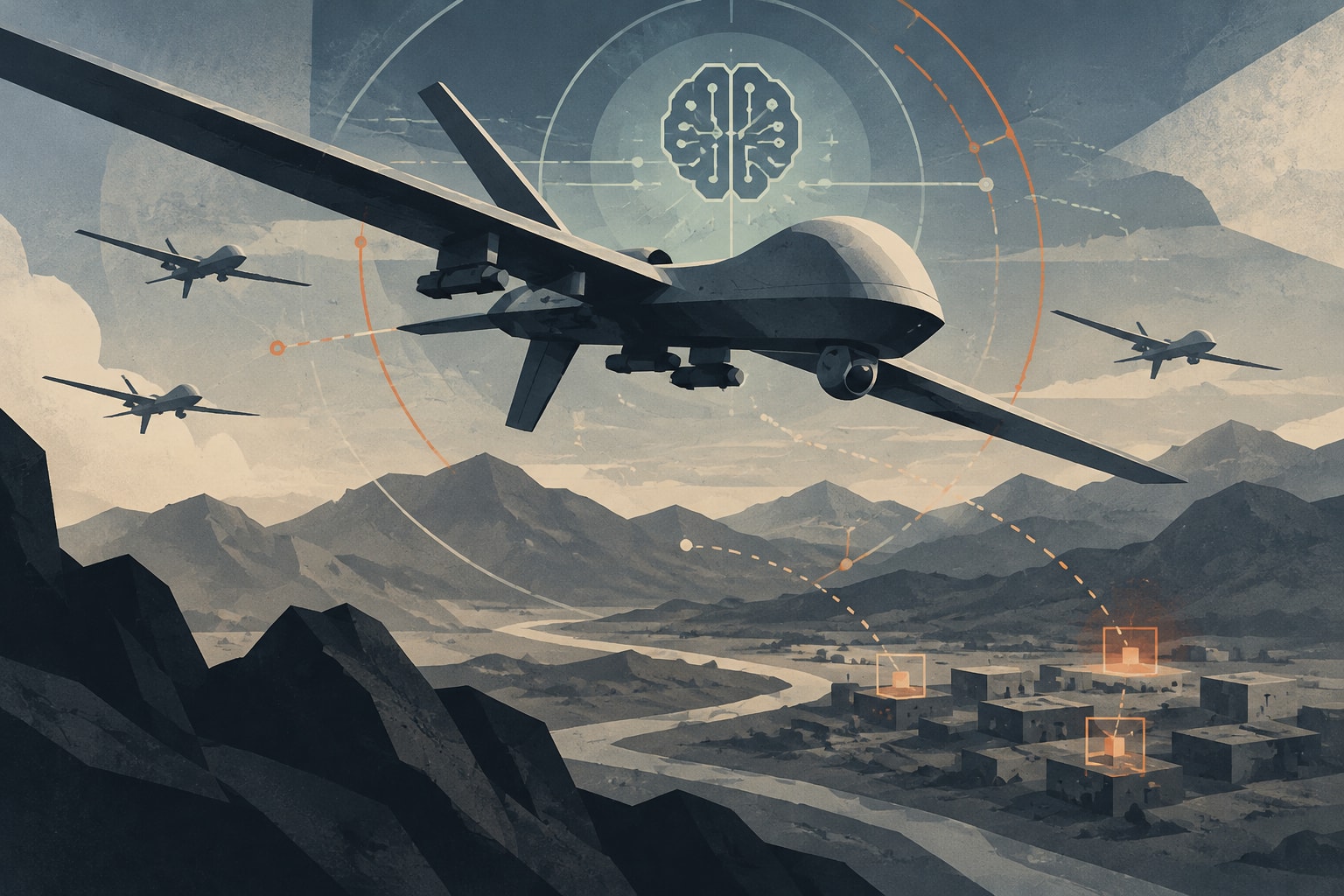
The Air Force's Collaborative Combat Aircraft program achieved a milestone with two drones flying coordinated maneuvers using mission autonomy software.
What's Happening
- •Two semi-autonomous drones conducted air combat maneuvers using AI pilot software on October 26.
- •This test is part of the Air Force's Collaborative Combat Aircraft program.
- •The use of autonomy software represents a significant step forward in drone technology.
Why It Matters
The integration of AI-driven autonomy in military drones represents a significant leap in operational capabilities for the Air Force. For service members, particularly pilots and tactical operators, understanding these advancements is crucial as they may alter traditional roles and responsibilities in air combat.
What Changes Now
- •The introduction of AI autonomy in drone operations means that pilots will need to adapt to new technologies. This adaptation may involve additional training on how to effectively coordinate with autonomous systems during missions.
- •The successful test could lead to increased funding and resources allocated to the CCA program. This shift may result in more rapid advancements in drone technology and increased operational capabilities for air units.
- •With the deployment of autonomous drones, air combat strategies will likely evolve. This evolution will require military planners to reassess existing tactics and integrate new methodologies into training and operational planning.
What to Watch
- •The upcoming phases of the CCA program testing will be critical for assessing the effectiveness of AI autonomy in combat scenarios. These tests are expected to take place over the next 12 months and could provide insights into the future of air operations.
- •Decisions regarding the operational deployment of these autonomous drones will be made by Air Force leadership in the coming year. The outcomes of these decisions will significantly impact how air combat is conducted in the future.
- •Ongoing developments in AI technology will continue to influence military capabilities. Keeping an eye on advancements in this area will be essential for understanding the broader implications for military strategy.
Get the Daily Briefing
Military and veteran news that actually affects you, in your inbox each morning.
More Context
- •Significance of the Test: The recent test involving two semi-autonomous drones marks a pivotal moment for the Air Force's Collaborative Combat Aircraft (CCA) program. By utilizing mission autonomy software, these drones demonstrated the capability to execute complex air combat maneuvers, which could redefine how air operations are conducted. This advancement reflects the growing integration of artificial intelligence in military operations, potentially enhancing combat effectiveness and reducing risks to human pilots.
- •Implications for Military Operations: The successful execution of combat maneuvers by drones using AI autonomy has far-reaching implications for military strategy and operations. For active-duty pilots and tactical units, this technology could lead to a shift in how air superiority is achieved, allowing for more dynamic and responsive combat scenarios. Furthermore, this development may influence training programs, as service members will need to adapt to working alongside autonomous systems in various operational environments.
- •Future Developments to Monitor: As the Air Force continues to advance its CCA program, several future developments warrant close attention. The next phase of testing will likely involve more complex scenarios and the integration of additional drones, which could occur within the next year. Additionally, the Air Force's decisions regarding the deployment of these systems in real-world operations will be critical, as they will determine how quickly and effectively these technologies can be utilized in combat.
Frequently Asked Questions
How will AI autonomy affect pilot training?
Pilots will likely receive updated training to incorporate the use of autonomous systems in their operations, focusing on coordination and mission planning.
What are the potential risks of using autonomous drones?
Potential risks include reliance on technology that may malfunction and the need for clear protocols to ensure safe operation alongside manned aircraft.
The Daily Briefing
Military & veteran news that actually affects you — delivered every morning.
- Pay, benefits & policy changes
- Pentagon decisions that matter
- VA updates for veterans & families
- One email. No spam. Unsubscribe anytime.
Related Stories
- Military-Developed AI Tool Thwarts Bomb Threat During World Cup— Federal News Network
- Over 1 Million F-35 Spare Parts Missing, Impacting Military Readiness— Air & Space Forces Magazine
- Smack Technologies Secures AI Prototype Deal to Enhance Military Campaigning— DefenseScoop
- Converted Fishing Trawlers Proposed to Counter Russian Submarines in the Arctic— Defense News