Military-Developed AI Tool Thwarts Bomb Threat During World Cup
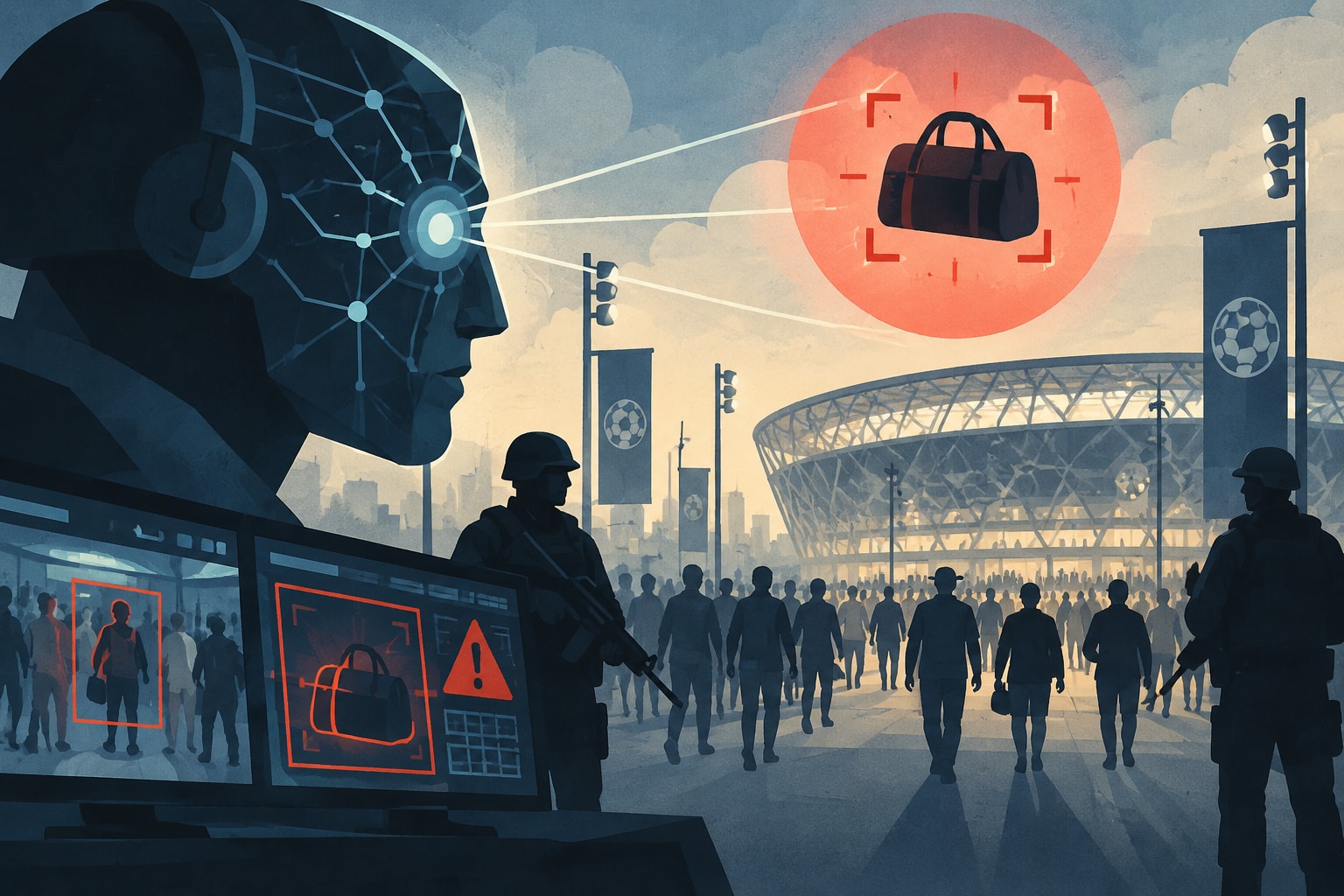
An AI tool created by the military was instrumental in preventing a bomb threat at the World Cup, highlighting the importance of technology in security.
What's Happening
- •A military-developed AI tool helped prevent a bomb threat during the World Cup on June 18.
- •The AI tool was utilized by security agencies to analyze potential threats in real-time.
- •Capt. Ryan Hetrick, head of the GenAI Task Force, confirmed its critical role in the incident.
Why It Matters
The use of AI in military operations marks a significant advancement in how threats are managed, particularly in high-pressure situations like the World Cup. For service members and veterans, understanding these technologies can provide insight into future career paths and the evolving landscape of military operations.
What Changes Now
- •The military's use of AI tools will likely expand in various operational contexts. This change means that service members may receive training on new technologies that enhance security measures.
- •Increased funding for AI research and development is anticipated following the success of this incident. This funding will create new job opportunities for service members interested in technology and innovation.
- •Security protocols at large-scale events will incorporate AI analysis as a standard practice. This shift emphasizes the importance of technology in ensuring safety and may lead to more rigorous training for security personnel.
What to Watch
- •The Department of Defense is expected to release new guidelines on the use of AI in military operations. These guidelines will clarify how AI can be integrated into existing security measures and the training required for personnel.
- •Upcoming military technology conferences will likely feature discussions on AI advancements. These events will provide insights into future developments and the military's strategic direction regarding AI.
- •Legislation regarding funding for military AI projects is anticipated in the next congressional session. The outcomes of these discussions will shape the future of AI integration in defense operations.
Get the Daily Briefing
Military and veteran news that actually affects you, in your inbox each morning.
More Context
- •AI Technology in Military Operations: The integration of artificial intelligence in military operations has been steadily increasing, with tools like the one used during the World Cup showcasing their effectiveness. These AI systems are designed to process vast amounts of data quickly, allowing security personnel to identify and respond to threats more efficiently than traditional methods. The military's investment in AI technology not only enhances operational capabilities but also ensures that personnel can focus on critical tasks, improving overall mission readiness.
- •Real-World Applications of AI in Security: The successful use of the AI tool during the World Cup illustrates the potential for AI in real-world security applications. By analyzing patterns and behaviors, the tool can help predict and mitigate threats before they escalate. This capability is particularly valuable in high-stakes environments like international sporting events, where the safety of thousands is at risk. The military's proactive approach in deploying such technology sets a precedent for future security measures.
- •Implications for Service Members and Veterans: For active-duty service members and veterans, the advancements in AI technology may lead to new career opportunities within the defense sector. As the military continues to adopt innovative technologies, there will be a growing demand for personnel skilled in AI and data analysis. Veterans with experience in technical fields may find themselves well-positioned to transition into roles that support these initiatives, contributing to national security in new and impactful ways.
- •Future Developments and Considerations: Looking ahead, the continued evolution of AI technology in military operations will likely prompt discussions about ethical considerations and the balance between technology and human oversight. As AI tools become more prevalent, ensuring that they are used responsibly and effectively will be paramount. Military leaders and policymakers must work together to establish guidelines that maximize the benefits of AI while safeguarding against potential risks.
Frequently Asked Questions
Does this affect Guard members on Title 10 orders?
Yes, Guard members on Title 10 orders may be involved in operations utilizing AI tools for security assessments.
Will my BAH change if I move duty stations mid-year?
Your Basic Allowance for Housing (BAH) may change based on the new duty station's location and housing costs.
The Daily Briefing
Military & veteran news that actually affects you — delivered every morning.
- Pay, benefits & policy changes
- Pentagon decisions that matter
- VA updates for veterans & families
- One email. No spam. Unsubscribe anytime.
Related Stories
- Air Force Drones Successfully Execute Combat Maneuvers Using AI Autonomy— Air & Space Forces Magazine
- Over 1 Million F-35 Spare Parts Missing, Impacting Military Readiness— Air & Space Forces Magazine
- France Partners with Naval Group for New Underwater Drone Development— Defense News
- US Approves $2.1 Billion Patriot Missile Sale to Ukraine— Military Times