MDA Pursues Mobile Radar to Detect Hypersonic Missiles and Advanced Threats
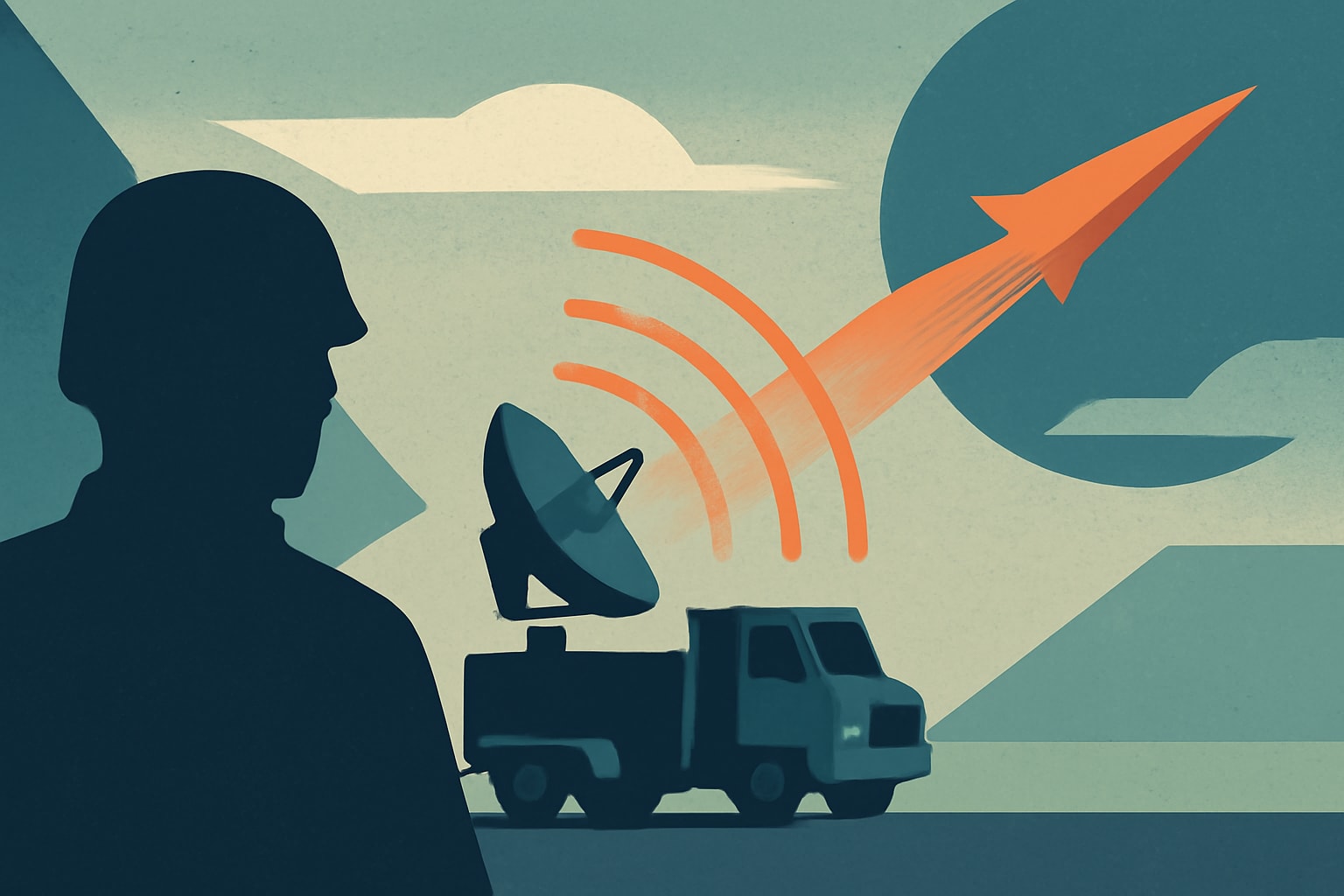
The Missile Defense Agency is working on a mobile radar system aimed at tracking hypersonic missiles and other advanced threats.
What's Happening
- •The Missile Defense Agency (MDA) is developing a mobile radar system to detect hypersonic missiles.
- •This initiative is part of the Forward-Based Mode (FBM) Radar Next program.
- •The new radar technology aims to enhance the U.S. military's capabilities against advanced threats.
Why It Matters
The development of mobile radar technology by the MDA is crucial for enhancing the U.S. military's defense capabilities against increasingly sophisticated threats like hypersonic missiles. For service members, this means improved tools for ensuring national security and the safety of deployed forces, which is vital in an era of rapid technological advancement in warfare.
What Changes Now
- •The MDA is initiating the development of a mobile radar system. This change will provide active-duty and reserve personnel with enhanced capabilities to detect and track hypersonic missiles.
- •Testing phases for the new radar technology are set to begin shortly. This will allow military leaders to assess the radar's effectiveness and make necessary adjustments before deployment.
- •Service members will need to stay informed about the outcomes of the testing phases. Understanding the capabilities of this new technology will be essential for operational planning and readiness.
What to Watch
- •Upcoming test results for the mobile radar system are expected within the next six months. These results will determine the radar's operational readiness and potential deployment dates.
- •The MDA will release updates on the integration of the radar into existing defense systems. This integration is crucial for ensuring that all defense components work seamlessly together in response to threats.
- •Future announcements regarding funding and resource allocation for the radar initiative will be important. These decisions will impact the timeline for full operational capability and the overall defense strategy.
Get the Daily Briefing
Military and veteran news that actually affects you, in your inbox each morning.
More Context
- •Overview of the MDA's Mobile Radar Initiative: The Missile Defense Agency is actively pursuing the development of a mobile radar system designed specifically to detect and track hypersonic missiles. This initiative falls under the Forward-Based Mode (FBM) Radar Next program, which aims to prototype advanced radar technologies that can adapt to emerging threats. As hypersonic missiles become more prevalent, the need for effective detection and tracking systems is critical for national defense. The mobile aspect of this radar system is particularly significant, as it allows for rapid deployment and flexibility in various operational environments.
- •Implications for Military Readiness: The introduction of mobile radar technology has significant implications for military readiness and operational effectiveness. For active-duty personnel, particularly those in missile defense roles such as 14J (Air Defense Artillery), this new capability will enhance situational awareness and response times against hypersonic threats. The ability to track these fast-moving targets is crucial in ensuring the safety of U.S. forces and allies. Additionally, Guard and Reserve members who may be called to support missile defense operations will also benefit from this advanced technology, as it will provide them with the tools necessary to engage effectively in modern combat scenarios.
- •Next Steps and Future Developments: As the MDA moves forward with the FBM Radar Next initiative, several key developments are expected in the coming months. The agency plans to conduct testing phases to evaluate the effectiveness and reliability of the mobile radar systems. These tests will be critical in determining the operational capabilities of the radar and its integration into existing defense frameworks. Service members and defense stakeholders should monitor announcements from the MDA regarding testing outcomes and potential deployment timelines, as these will directly impact readiness and strategic planning.
Frequently Asked Questions
How will this mobile radar affect my unit's operations?
The mobile radar will enhance your unit's ability to detect and respond to hypersonic threats, improving overall operational readiness.
When can we expect the new radar technology to be deployed?
Deployment timelines will depend on the results of upcoming testing phases, which are expected to be announced in the next six months.
Will this radar system be available for Guard and Reserve units?
Yes, the technology will be available for use by Guard and Reserve units, providing them with advanced capabilities for missile defense operations.
The Daily Briefing
Military & veteran news that actually affects you — delivered every morning.
- Pay, benefits & policy changes
- Pentagon decisions that matter
- VA updates for veterans & families
- One email. No spam. Unsubscribe anytime.
Related Stories
- Air Force Certifies Anduril Barracuda Cruise Missile for Open System Updates— Air & Space Forces Magazine
- Air Force Invests $87M in F-16 Electronic Warfare Upgrades— Air & Space Forces Magazine
- China Warns US Space Weapons Could Fuel Arms Race— Defense News
- US Air Force Must Build Trust in AI to Combat Evolving Threats— Military Times