Drone Warfare's Impact: Is the U.S. Military Medical Corps Ready?
Explosive drone use in Ukraine reveals a need for the U.S. military medical corps to adapt to more devastating battlefield injuries.
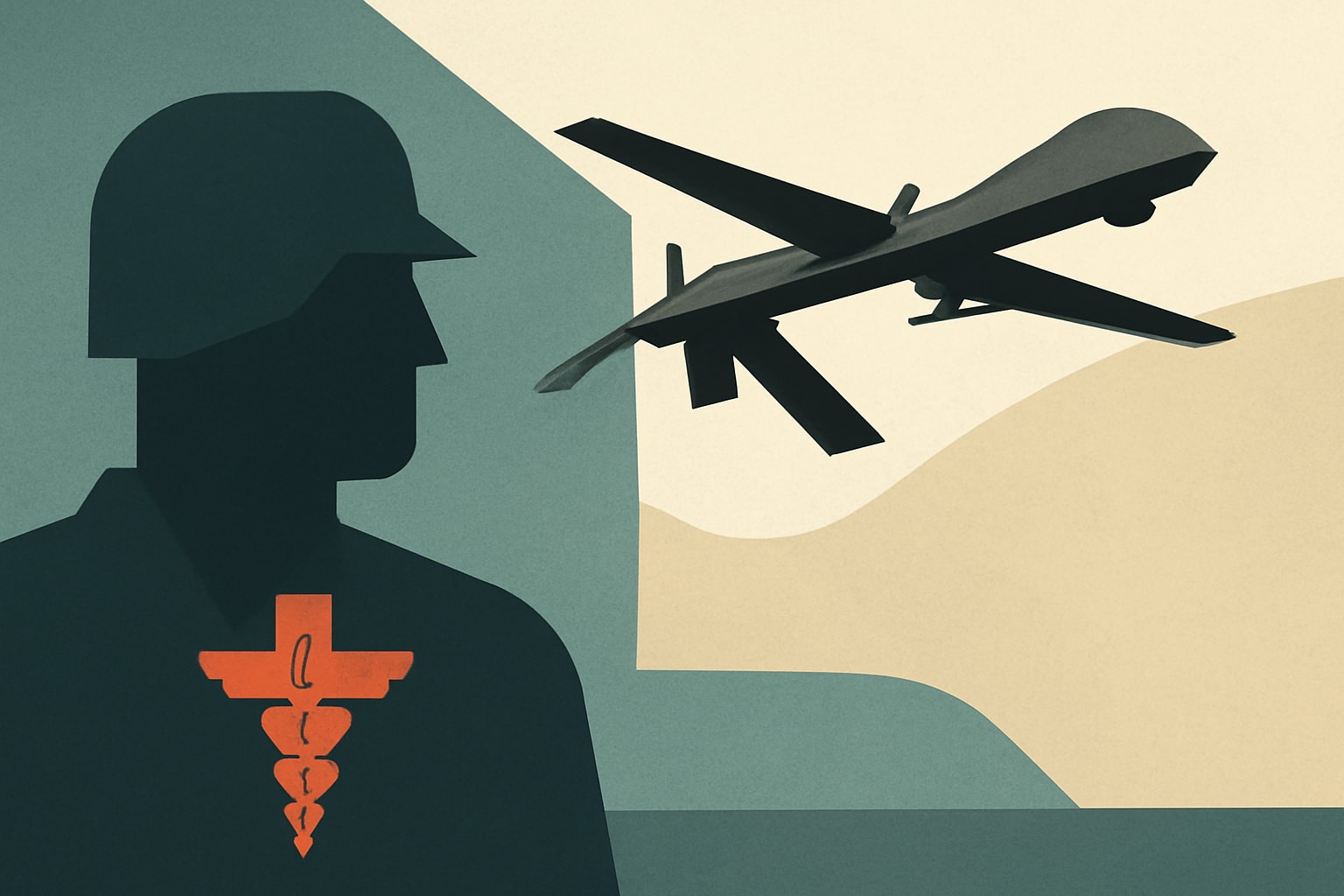
What's Happening
- •Studies from the Ukraine war show drone-delivered explosives cause more severe injuries.
- •The U.S. military medical corps is evaluating its readiness to treat these new types of injuries.
- •Current medical training programs may not adequately prepare personnel for drone-related injuries.
Why It Matters
The changing nature of warfare, particularly with the rise of drone use, necessitates a reevaluation of how military medical personnel are trained and equipped. Ensuring that the U.S. military medical corps is prepared for the unique challenges posed by drone warfare is crucial for the survival and recovery of service members on the battlefield.
What Changes Now
- •The military medical corps will increase focus on drone-related injury scenarios in medical training. This change aims to ensure personnel are better prepared for the specific challenges posed by modern warfare.
- •There may be increased funding for advanced medical technologies and research initiatives. This funding will help equip medical units with the latest tools necessary for effective care in combat situations.
- •Training programs will be updated to include advanced wound care and burn management techniques. This is essential for preparing medical teams to handle the complexities of injuries caused by drone warfare.
What to Watch
- •Updates to military medical training programs and protocols are expected in the coming months. These updates will reflect lessons learned from recent conflicts and the evolving nature of battlefield injuries.
- •Ongoing research into the long-term effects of drone-related injuries will be monitored closely. This research is critical for developing effective treatment protocols and improving recovery outcomes for injured service members.
- •The military may announce new partnerships with civilian trauma centers to enhance training and resource sharing. These collaborations will aim to leverage civilian expertise in trauma care for military applications.
Get the Daily Briefing
Military and veteran news that actually affects you, in your inbox each morning.
More Context
- •The Evolving Nature of Battlefield Injuries: Recent reports indicate that drone warfare is reshaping the landscape of military injuries. In the Ukraine conflict, the use of drone-delivered explosives has led to a higher incidence of severe traumatic injuries, including multiple traumas and complex wounds. These injuries often require advanced medical interventions that differ significantly from those traditionally encountered in combat scenarios. As a result, the U.S. military medical corps must critically assess its current training and protocols to ensure they can effectively address these new challenges.
- •Challenges in Current Medical Protocols: The traditional focus of combat casualty care has been on injuries from bullets and larger explosive devices. However, drone warfare introduces smaller, more precise munitions that can inflict concentrated damage on vital organs and tissues. This shift necessitates a broader skill set for medical personnel, who must be prepared to manage a wider array of injuries simultaneously and often in austere conditions. The implications for training and resource allocation are significant, as current protocols may not fully equip medical teams for these emerging threats.
- •Necessary Adaptations for Medical Training: To meet the challenges presented by drone warfare, the military medical corps must implement comprehensive updates to its training programs. This includes incorporating realistic scenarios that simulate drone-related injuries, allowing personnel to gain hands-on experience with advanced wound care techniques and burn management. Furthermore, medical units should be equipped with cutting-edge technologies, such as advanced hemostatic agents and telemedicine capabilities, to enhance their ability to deliver timely and effective care on the battlefield.
- •Collaboration for Improved Outcomes: Collaboration between military medical researchers and civilian trauma centers is essential for advancing the understanding and treatment of drone-related injuries. By sharing knowledge and resources, the military can leverage the latest advancements in trauma care to improve outcomes for wounded soldiers. This collaborative effort should also extend internationally, allowing the U.S. military to learn from allies experienced in dealing with the realities of drone warfare. Such partnerships can facilitate the development of innovative treatment protocols tailored to the unique challenges posed by these new weapons.
Veteran Take
For those who've served, the evolution of warfare is a constant reminder that our training and preparation must keep pace with new threats. The rise of drone warfare means we need to rethink how we care for our wounded, as the injuries we face are changing in severity and nature. Veterans navigating this will understand the urgency of ensuring our medical corps is equipped and ready to respond to these challenges, as it directly impacts the lives of those still serving.
The Daily Briefing
Military & veteran news that actually affects you — delivered every morning.
- Pay, benefits & policy changes
- Pentagon decisions that matter
- VA updates for veterans & families
- One email. No spam. Unsubscribe anytime.
Related Stories
- 8th Army Adapts to Evolving Drone Threats in South Korea— DefenseScoop
- ARCYBER Expands Use of AI Agents for Network Operations— DefenseScoop
- Boeing Awarded $20 Billion Contract for Navy's F/A-XX Fighter— Air & Space Forces Magazine
- Italy to Acquire New Drones with MBDA Armaments— Defense News