DISA Develops Modernized Identity Prototype to Enhance Zero-Trust Security
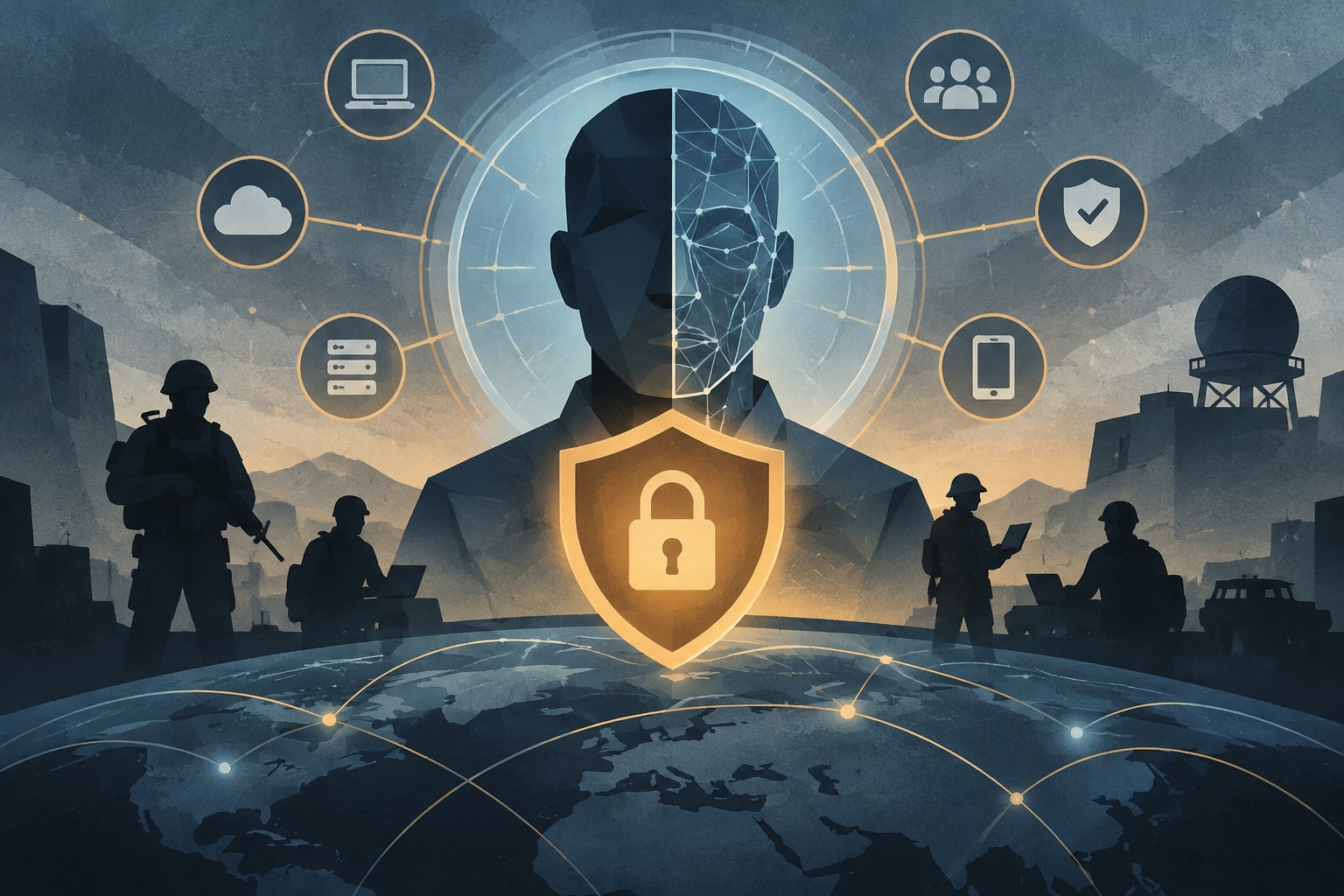
The Defense Information Systems Agency is pursuing a new identity management prototype as part of its zero-trust cybersecurity strategy.
What's Happening
- •DISA is soliciting proposals for an enterprise Identity, Credential, and Access Management (ICAM) capability.
- •This capability will serve as the foundational layer of the Department of Defense's Zero Trust Cybersecurity Architecture.
- •The initiative aims to modernize identity management and enhance security protocols across military networks.
Why It Matters
The transition to a zero-trust security model is crucial for safeguarding sensitive military data against increasing cyber threats. For service members and defense civilians, understanding these changes is essential for maintaining operational security and ensuring compliance with new access protocols.
What Changes Now
- •DISA's solicitation for an enterprise ICAM capability marks a significant shift in identity management. This change will directly affect how service members and civilians authenticate their access to military networks.
- •The implementation of zero-trust security will introduce new authentication protocols. Personnel will need to familiarize themselves with these protocols to maintain access to essential systems.
- •Training resources will be developed to assist service members and civilians in adapting to the new ICAM system. This will ensure that all personnel are prepared for the transition and understand their responsibilities.
What to Watch
- •Upcoming announcements from DISA regarding vendor selection for the ICAM prototype. These announcements will clarify which companies will be involved and the timeline for implementation.
- •Details on training programs for service members and civilians will be released soon. It is essential to stay informed about these programs to ensure compliance with new security measures.
- •Monitor updates on the integration of the ICAM system into existing military networks. This will provide insight into how quickly the transition will take place and what adjustments may be necessary.
Get the Daily Briefing
Military and veteran news that actually affects you, in your inbox each morning.
More Context
- •Understanding Zero Trust Security: Zero trust security is a cybersecurity model that requires strict identity verification for every person and device attempting to access resources on a private network, regardless of whether they are inside or outside the network perimeter. The Department of Defense (DoD) is increasingly adopting this model to protect sensitive information and systems from cyber threats. By implementing a zero-trust architecture, the DoD aims to reduce the risk of data breaches and enhance overall security posture.
- •The Role of ICAM in Zero Trust: The enterprise ICAM capability is critical for establishing a zero-trust environment. It ensures that only authorized users can access specific resources, thereby minimizing insider threats and unauthorized access. This capability will involve advanced authentication methods, including multi-factor authentication and continuous monitoring of user behavior, to ensure compliance with security policies. The shift towards ICAM is expected to streamline access management while enhancing security across various military installations.
- •Implications for Service Members and Civilians: Active duty service members, particularly those in cybersecurity roles such as 17D Cyber Operations Specialists and 25D Cyber Network Defender, will need to adapt to new protocols associated with the ICAM system. Additionally, defense civilians involved in IT and security operations will also be impacted as they integrate these new identity management practices into their daily operations. Training and resources will be made available to ensure that all personnel are equipped to navigate the changes effectively.
- •Next Steps and Future Developments: As DISA moves forward with the ICAM prototype, stakeholders should prepare for upcoming announcements regarding implementation timelines and training initiatives. The agency is expected to release more details about the selection process for vendors and the anticipated roll-out of the new system. Continuous updates will be provided to ensure that service members and civilians are informed about changes that may affect their access to military networks.
Frequently Asked Questions
Does this affect Guard members on Title 10 orders?
Yes, all service members, including those in the National Guard on Title 10 orders, will need to comply with the new ICAM protocols.
Will my access to military networks change?
Yes, access protocols will be updated as part of the zero-trust implementation, requiring all personnel to adapt to new authentication methods.
The Daily Briefing
Military & veteran news that actually affects you — delivered every morning.
- Pay, benefits & policy changes
- Pentagon decisions that matter
- VA updates for veterans & families
- One email. No spam. Unsubscribe anytime.
Related Stories
- Air Force Drones Successfully Execute Combat Maneuvers Using AI Autonomy— Air & Space Forces Magazine
- Military-Developed AI Tool Thwarts Bomb Threat During World Cup— Federal News Network
- AFRL Targets New Hypersonic Engine Tech Prototypes Within 4 Years— Air & Space Forces Magazine
- Agencies Sign MOU to Tackle Unauthorized Drones While Ensuring Civilian Safety— DefenseScoop