Military Services Struggle to Assess Suicide Prevention Training Effectiveness
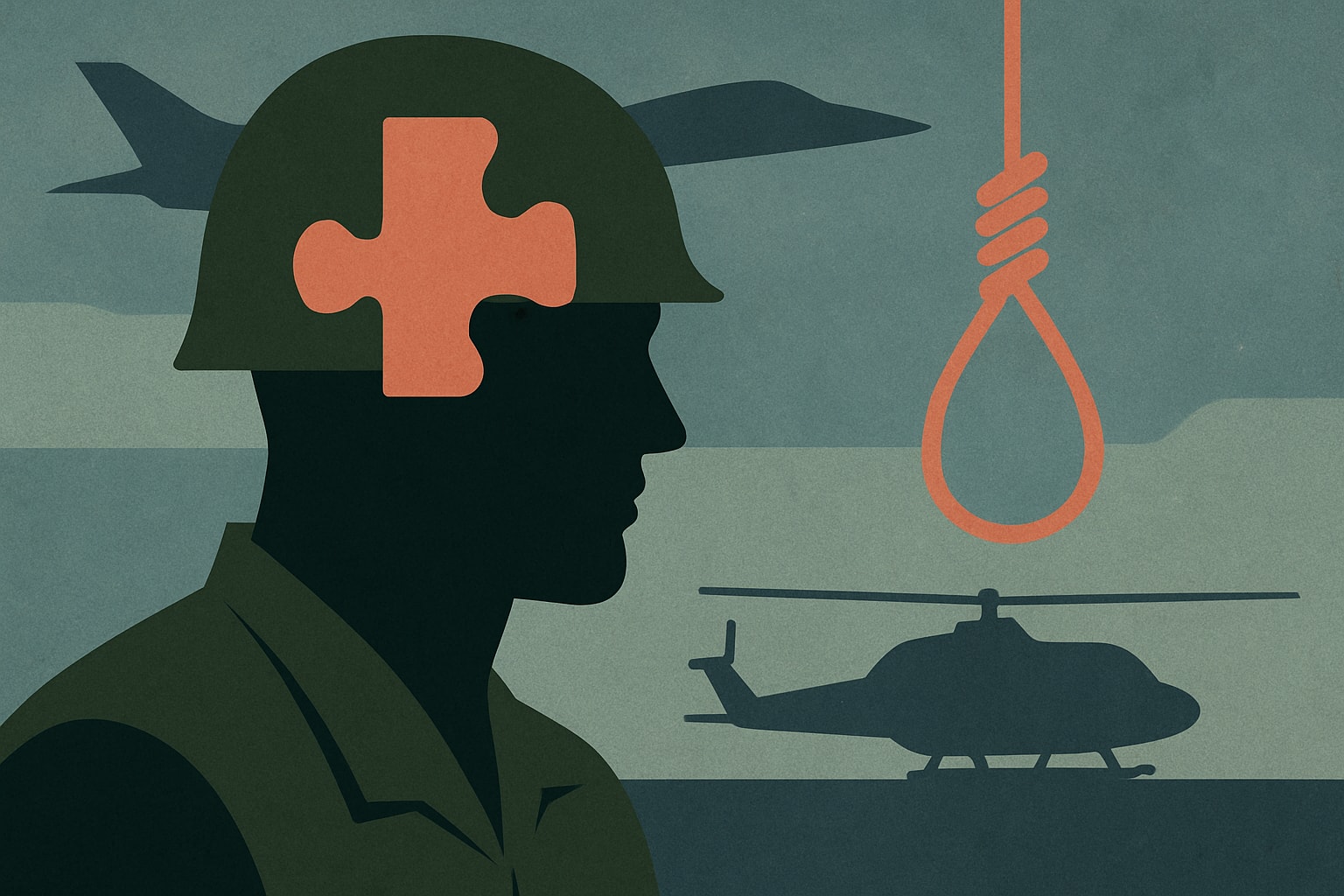
Despite rising suicide rates, military branches lack measures to evaluate the impact of prevention training.
What's Happening
- •Military suicide rates have increased since 2011, raising concerns among leaders.
- •Most military services lack accountability measures for required suicide prevention training.
- •There is a significant gap in data to evaluate the effectiveness of these training programs.
- •Service members are not consistently completing the mandated training.
- •The lack of accountability may hinder efforts to address the rising suicide rates.
Why It Matters
The rising rates of military suicides are a pressing concern for service members and their families, highlighting the urgent need for effective prevention strategies. Without proper training and accountability, the military risks failing to support those who serve, potentially leading to tragic outcomes.
What Changes Now
- •Military branches must implement accountability measures for suicide prevention training. This will ensure that service members complete the training and that its effectiveness can be evaluated.
- •Service members will need to participate in tracking systems that monitor training completion rates. This change aims to improve the overall effectiveness of mental health support within the military.
- •Increased focus on mental health resources may lead to new initiatives and programs. These developments will be critical in addressing the rising suicide rates among service members.
What to Watch
- •The Department of Defense is expected to release new guidelines on suicide prevention training. This could happen within the next six months and will be crucial in shaping future training protocols.
- •Congress may hold hearings on military mental health initiatives in the upcoming legislative session. The outcomes of these hearings could influence funding and support for mental health programs.
- •Individual military branches may announce new accountability measures for training completion in the near future. These announcements will be important for understanding how each branch plans to address the suicide crisis.
Get the Daily Briefing
Military and veteran news that actually affects you, in your inbox each morning.
More Context
- •Current State of Military Suicide Rates: Since 2011, the military has experienced a troubling rise in suicide rates, prompting urgent calls for effective intervention strategies. Despite various initiatives aimed at prevention, the persistent increase suggests that current efforts may not be sufficient. Each branch of the military has implemented different programs, but the lack of uniformity in training and accountability raises questions about their overall effectiveness.
- •Challenges in Accountability and Training: One of the primary challenges facing military services is the absence of robust accountability measures to ensure that service members complete required suicide prevention training. Without these measures, it is difficult to ascertain whether personnel are adequately prepared to recognize and respond to mental health crises. This gap in accountability not only affects the training's effectiveness but also undermines the military's commitment to safeguarding the mental health of its members.
- •Implications for Service Members: Active duty personnel, particularly E-4 to E-6 ranks in combat arms, may feel the impact of inadequate training and resources in mental health support. The inability to effectively assess training programs can lead to a lack of confidence in available support systems, potentially exacerbating mental health issues among troops. Furthermore, the absence of clear guidelines and follow-up on training completion may leave service members without essential tools to help themselves or their peers.
- •What Needs to Change: To combat rising suicide rates, military branches must prioritize the establishment of accountability measures for suicide prevention training. This includes tracking completion rates and assessing the impact of training on service members' mental health. By implementing these changes, the military can better equip its personnel to handle mental health challenges and foster a culture of support and awareness.
Frequently Asked Questions
Does this affect Guard members on Title 10 orders?
Yes, Guard members on Title 10 orders are subject to the same suicide prevention training requirements as active duty personnel.
Will my BAH change if I move duty stations mid-year?
Your Basic Allowance for Housing (BAH) may change if you move to a location with a different BAH rate, and you should notify your finance office.
Veteran Take
For those who've served, the rising suicide rates within the military are a heartbreaking reminder of the struggles many face long after their service ends. Veterans navigating this issue know all too well that effective prevention training is not just a box to check; it’s a matter of life and death. Without proper evaluation of these programs, we risk losing more brothers and sisters who have already fought their toughest battles.
The Daily Briefing
Military & veteran news that actually affects you — delivered every morning.
- Pay, benefits & policy changes
- Pentagon decisions that matter
- VA updates for veterans & families
- One email. No spam. Unsubscribe anytime.
Related Stories
- U.S. Air Force Withdraws Bombers from RAF Fairford Amid Security Concerns— Task & Purpose
- UK-Iranian National Released on Bail Over Suspected Plot Against US-Run Military Base— Military.com
- Army Aims for 30% Cost Reduction in Base Building Construction— Military Times
- Basic Trainee at Fort Sill Struck and Killed by Semi-Truck— Task & Purpose