USAF Ensures No Gap in Close Air Support After A-10 Retirement
Air Force Chief of Staff Gen. Kenneth S. Wilsbach assures lawmakers of continued close air support capabilities as A-10s are phased out.
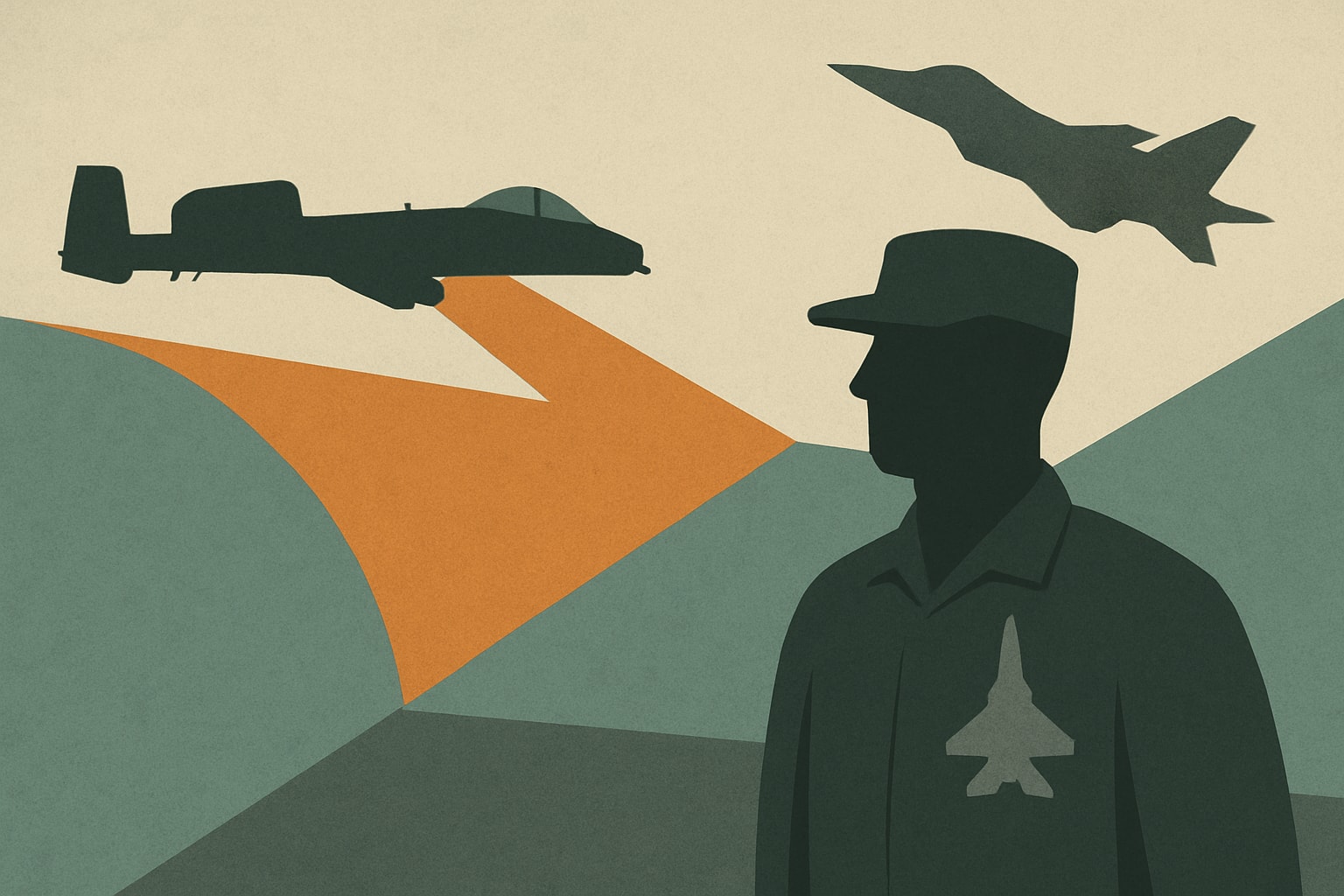
What's Happening
- •Air Force Chief of Staff Gen. Kenneth S. Wilsbach addressed lawmakers about the A-10 retirement.
- •He stated there will be no gap in close air support capabilities following the A-10's phase-out.
- •The retirement of the A-10 Thunderbolt II is planned for the early 2030s.
Why It Matters
The retirement of the A-10 Thunderbolt II marks a significant shift in the Air Force's approach to close air support. For service members and veterans, understanding this transition is crucial as it impacts operational readiness and training for future missions, particularly for those in combat roles who rely on effective air support.
What Changes Now
- •The A-10 Thunderbolt II will be phased out starting in the early 2030s. This change will require affected personnel to transition to new aircraft and training programs.
- •The Air Force is implementing enhanced training programs for pilots and support staff. These programs will focus on the capabilities of newer aircraft to ensure continued effectiveness in close air support.
- •Operational strategies for close air support will evolve alongside the retirement of the A-10. Personnel will need to adapt to new technologies and tactics to maintain mission readiness.
What to Watch
- •Monitor the timeline for the A-10 retirement, expected to begin in the early 2030s. This will provide clarity on when personnel will need to transition to new aircraft.
- •Watch for updates on training program developments for new aircraft. These updates will be critical for ensuring that all service members are prepared for their roles in close air support.
- •Keep an eye on operational readiness assessments as the transition progresses. These assessments will indicate how effectively the Air Force is adapting to the new close air support capabilities.
Get the Daily Briefing
Military and veteran news that actually affects you, in your inbox each morning.
More Context
- •The Future of Close Air Support: Gen. Wilsbach emphasized that the Air Force has developed a comprehensive strategy to ensure that close air support (CAS) capabilities remain robust even after the A-10 Thunderbolt II is retired. He pointed out that modern aircraft, including the F-35 and other platforms, are being integrated into CAS roles, which will provide enhanced capabilities compared to the A-10. The transition is designed to maintain operational effectiveness and support ground forces in combat scenarios.
- •Impact on Service Members: The planned retirement of the A-10 will primarily affect Air Force pilots and support personnel currently trained on this aircraft. Active duty officers in the 11F (fighter pilot) career field, as well as enlisted personnel in relevant support roles, will need to adapt to new aircraft and technologies. Training programs are being developed to facilitate this transition, ensuring that personnel are prepared for the evolving demands of close air support missions.
- •Operational Readiness and Training: To prepare for the A-10's retirement, the Air Force is investing in updated training programs that will focus on the capabilities of newer aircraft. This includes integrating advanced technology and tactics that enhance close air support operations. The emphasis will be on ensuring that all personnel, from pilots to ground support teams, are proficient in the use of these new systems to maintain mission readiness.
Frequently Asked Questions
Will my training change with the A-10 retirement?
Yes, training programs will be updated to include newer aircraft and technologies that will replace the A-10.
How will this affect my deployment schedule?
Deployment schedules may be adjusted to accommodate the transition to new aircraft and ensure personnel are adequately trained.
What aircraft will replace the A-10 for close air support?
The F-35 and other modern aircraft are expected to take over the close air support role after the A-10 is retired.
Veteran Take
For those who've served in combat roles, the A-10 has been a reliable ally in the skies, providing essential support during critical missions. As we navigate this transition, it's vital for veterans and active-duty personnel to stay informed about how these changes will affect operational readiness and our ability to support ground troops. Maintaining effective close air support is not just a matter of technology; it's about ensuring our brothers and sisters in arms have the backing they need when it counts.
The Daily Briefing
Military & veteran news that actually affects you — delivered every morning.
- Pay, benefits & policy changes
- Pentagon decisions that matter
- VA updates for veterans & families
- One email. No spam. Unsubscribe anytime.
Related Stories
- North Korea Test-Fires Intermediate-Range Missile Amid Rising Tensions— Military.com
- Hegseth Issues New Directive to Accelerate U.S. Military’s Counter-Drone Efforts— DefenseScoop
- B-52 Stratofortress Receives Prototype System for Beyond-Line-of-Sight Communications— Air & Space Forces Magazine
- U.S.-China Summit Yields Military Agreements, Key Issues Remain— Military.com