U.S. Lifts Sanctions on Turkey, F-35 Fighter Jet Sales on the Table
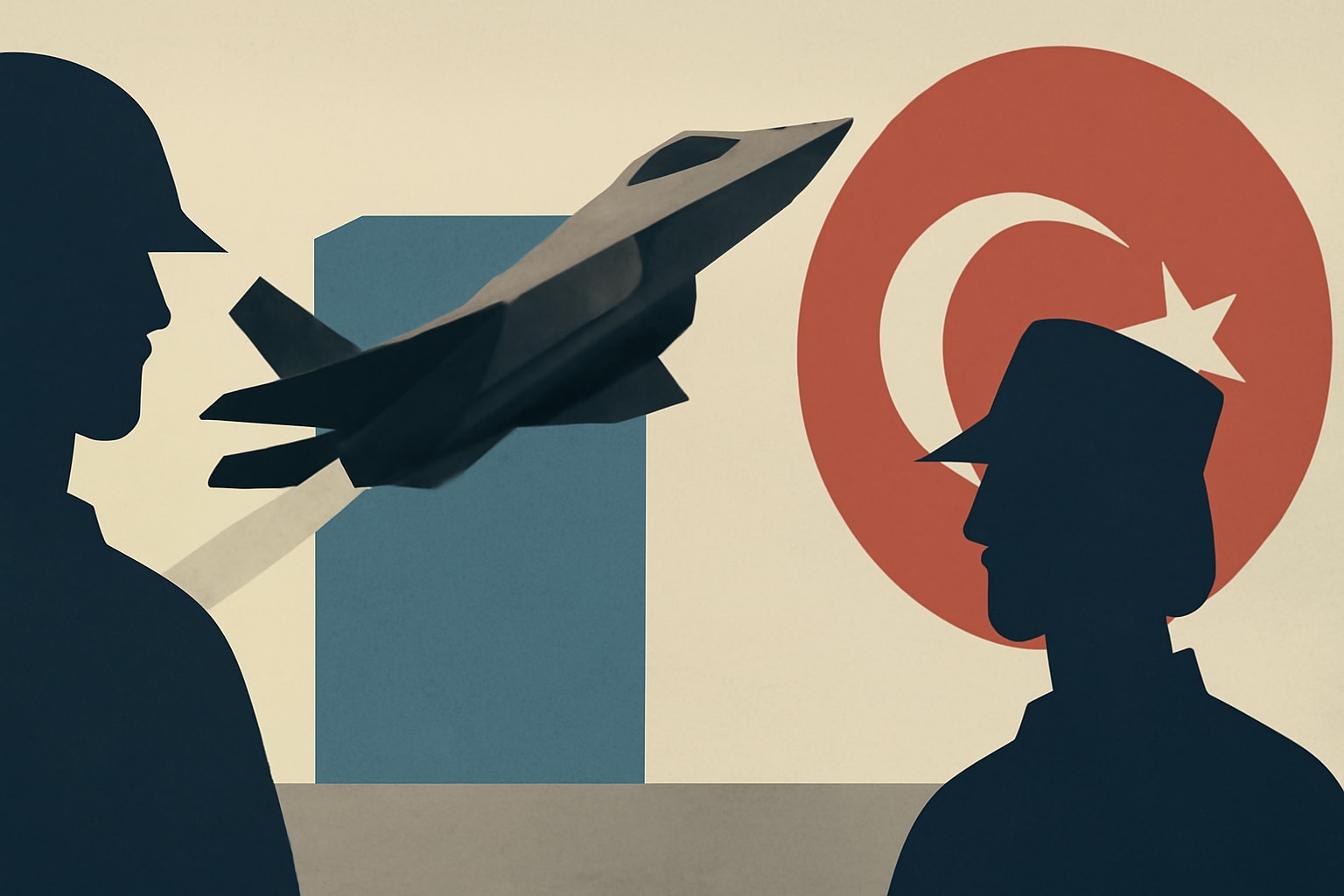
The U.S. government is set to lift sanctions on Turkey, possibly paving the way for F-35 fighter jet sales, following a controversial arms deal.
What's Happening
- •The U.S. plans to lift sanctions imposed on Turkey in 2020 due to its purchase of Russian defense missiles.
- •This change could facilitate the sale of F-35 fighter jets to Turkey, which has been a contentious issue.
- •The decision reflects a shift in U.S. foreign policy towards Turkey amid ongoing geopolitical tensions.
Why It Matters
The lifting of sanctions on Turkey represents a significant shift in U.S. foreign policy, particularly in the context of NATO alliances and regional security. For service members and veterans, understanding these developments is crucial as they may affect military operations, defense strategies, and international relations in the coming years.
What Changes Now
- •Sanctions against Turkey are set to be lifted, allowing for potential military sales. This change could lead to increased defense collaboration between the U.S. and Turkey.
- •The U.S. may begin negotiations for F-35 sales to Turkey, which could enhance Turkey's military capabilities. This is significant for NATO's collective defense strategy.
- •Active-duty service members may need to prepare for shifts in operational planning involving Turkey. This could involve new training protocols and joint exercises with Turkish forces.
What to Watch
- •Upcoming negotiations for F-35 sales will be closely monitored by defense analysts. These discussions will be crucial in determining the future of U.S.-Turkey relations.
- •The Biden administration is expected to release statements regarding the timeline for lifting sanctions. This will provide clarity on how quickly Turkey can rejoin the F-35 program.
- •Responses from NATO allies will be important to watch as they may influence Turkey's role in the F-35 program. Their reactions could shape future defense strategies in the region.
Get the Daily Briefing
Military and veteran news that actually affects you, in your inbox each morning.
More Context
- •Background on Sanctions: In 2020, the United States imposed sanctions on Turkey after the country acquired the Russian S-400 missile defense system. These sanctions aimed to penalize Turkey for its decision, which was viewed as a threat to NATO's defense posture and U.S. military technology security. The sanctions included restrictions on Turkish defense procurement and financial transactions with U.S. entities, significantly impacting Turkey's defense industry.
- •Implications for F-35 Sales: The potential sale of F-35 fighter jets to Turkey marks a significant shift in U.S. defense policy. Turkey was originally a partner in the F-35 program but was removed due to its S-400 acquisition. Lifting sanctions could allow Turkey to re-enter the program and acquire these advanced aircraft, which would enhance its military capabilities and alter the balance of power in the region.
- •Military and Veteran Impact: For active-duty service members and veterans, this policy shift may have direct implications for military readiness and international collaboration. The F-35 is a critical asset for U.S. forces, and Turkey's involvement could lead to increased interoperability between NATO allies. Veterans who have served in roles related to international relations or defense procurement may find their expertise in demand as these changes unfold.
- •What to Watch: As the U.S. government moves forward with lifting sanctions, it is essential to monitor the timeline for finalizing F-35 sales. The Biden administration is expected to provide updates on negotiations with Turkey in the coming months. Additionally, watch for responses from other NATO allies regarding Turkey's re-entry into the F-35 program, as this could influence regional security dynamics.
Frequently Asked Questions
Does this affect Guard members on Title 10 orders?
Yes, any changes in U.S. foreign policy and military sales can impact Guard members on Title 10 orders, especially if they are involved in NATO operations.
Will my BAH change if I move duty stations mid-year?
Your Basic Allowance for Housing (BAH) may change if you move to a different duty station, as BAH rates vary by location.
Veteran Take
For those who've served, the implications of lifting sanctions on Turkey are hard to ignore. We know that changes in arms sales can directly impact our missions and the overall stability of the regions we operate in. Veterans navigating this will be keenly aware of how these decisions ripple through the military landscape, affecting both our allies and our own readiness.
The Daily Briefing
Military & veteran news that actually affects you — delivered every morning.
- Pay, benefits & policy changes
- Pentagon decisions that matter
- VA updates for veterans & families
- One email. No spam. Unsubscribe anytime.
Related Stories
- Air Force Successfully Tests New Sentinel ICBM Reentry Vehicle— Air & Space Forces Magazine
- B-2 Stealth Bomber Returns to Whiteman AFB After Depot Maintenance— Air & Space Forces Magazine
- Ukraine Targets Russian Factory Critical to Missile Production— Defense News
- Autonomous Weapons Transforming Brigade Tactics at Fort Bragg— Military Times