U.S. to Help Guide Trapped Ships Out of the Strait of Hormuz
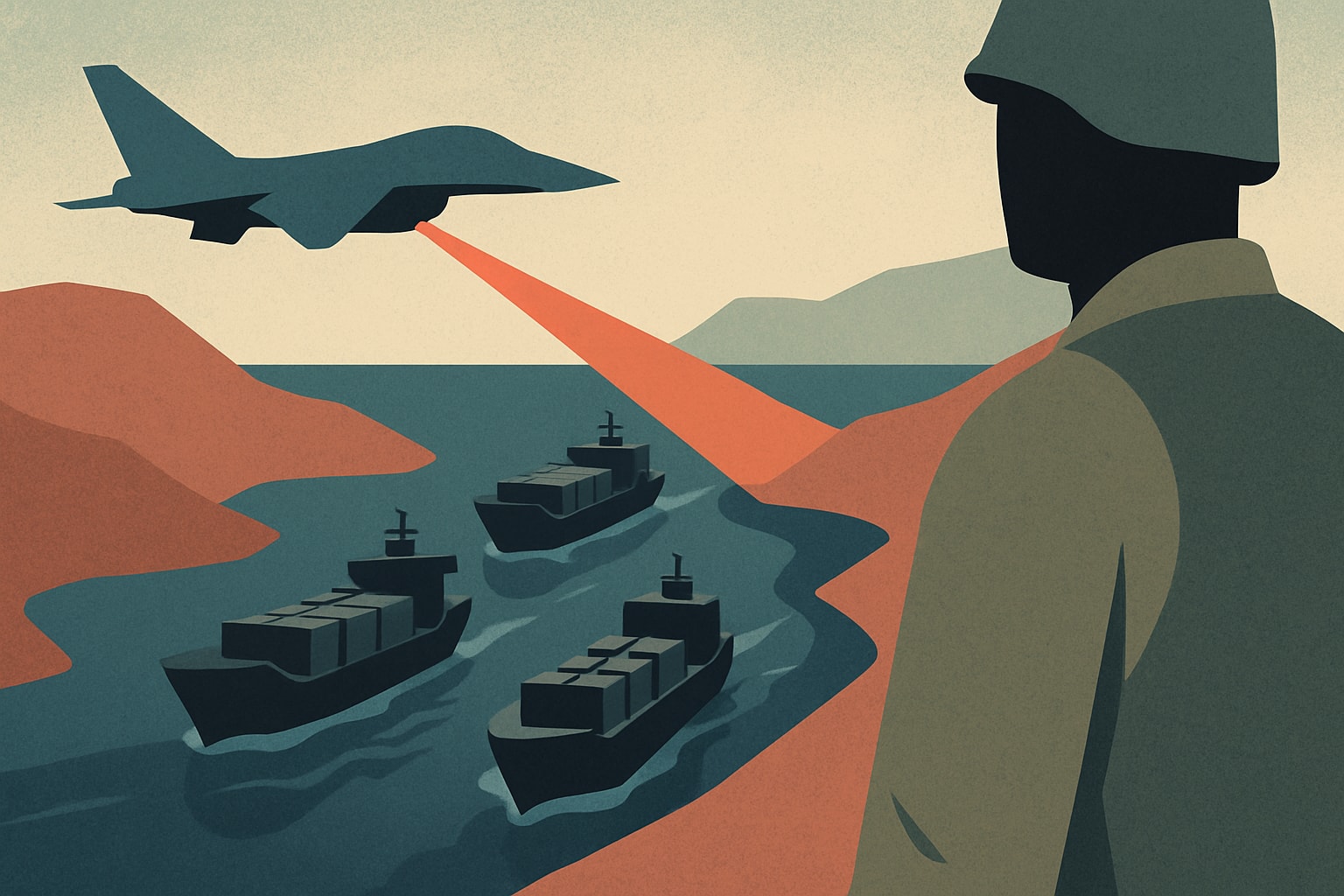
The U.S. will assist in navigating ships trapped in the Strait of Hormuz while upholding a naval blockade against Iran.
What's Happening
- •The U.S. will begin guiding trapped ships out of the Strait of Hormuz starting Monday.
- •Central Command confirmed the operation will maintain a naval blockade on Iran.
- •This operation is a response to recent incidents in the critical waterway.
Why It Matters
The U.S. decision to guide trapped ships in the Strait of Hormuz underscores the military's role in ensuring the security of critical maritime routes. For service members and veterans, this operation may influence broader geopolitical dynamics and the potential for military engagement in the region.
What Changes Now
- •The U.S. Navy will begin operations to assist trapped ships starting Monday. This change is crucial for maintaining safe passage in a key global shipping lane.
- •A naval blockade on Iran will continue during this operation. This ensures that U.S. military presence remains a deterrent against potential threats from Iran.
- •Commercial vessels in the region will receive guidance from U.S. forces. This support aims to enhance the safety of international shipping amidst rising tensions.
What to Watch
- •Monitor the start of the U.S. operation on Monday for any developments. The effectiveness of this initiative could impact shipping safety and regional stability.
- •Watch for potential reactions from Iran regarding the U.S. naval presence. Their response could escalate tensions or lead to diplomatic negotiations.
- •Keep an eye on international oil prices as the situation evolves. Any disruptions in the Strait of Hormuz could significantly influence global energy markets.
Get the Daily Briefing
Military and veteran news that actually affects you, in your inbox each morning.
More Context
- •Background on the Strait of Hormuz: The Strait of Hormuz is a vital maritime corridor through which a significant portion of the world's oil supply is transported. Given its strategic importance, any disruptions in this area can have far-reaching implications for global energy markets and regional stability.
- •Details of the U.S. Operation: The operation to guide trapped ships will involve U.S. naval forces coordinating with commercial vessels to ensure safe passage. This initiative aims to alleviate the risks posed by the ongoing tensions in the region and to safeguard international shipping lanes.
- •Implications for Military and Trade: Maintaining a naval blockade on Iran while assisting trapped vessels reflects the U.S. commitment to protecting trade routes. This dual approach may deter hostile actions from Iran and reassure allies relying on these shipping lanes for energy supplies.
- •Potential Reactions from Iran: Iran's response to the U.S. operation remains uncertain, but previous actions suggest they may view this as a provocation. The situation could escalate if Iran perceives the U.S. presence as a threat to its sovereignty and interests in the region.
Veteran Take
For those who've served, the situation in the Strait of Hormuz is a stark reminder of the complexities we face in maintaining global security. Navigating these waters isn't just about guiding ships; it's about the potential for conflict that can arise from geopolitical tensions. Veterans navigating this will understand the weight of these decisions and the implications they have on our service members still in harm's way.
The Daily Briefing
Military & veteran news that actually affects you — delivered every morning.
- Pay, benefits & policy changes
- Pentagon decisions that matter
- VA updates for veterans & families
- One email. No spam. Unsubscribe anytime.
Related Stories
- U.S. Army Confirms 19th Service Member Death in Iran Conflict— Military Times
- Collaborative Combat Aircraft Production Set to Increase Amid 2027 Budget Uncertainty— Air & Space Forces Magazine
- Navy Reorganizes Public Works Team to Speed Up Repairs— Federal News Network
- Pentagon Awards Contracts to Northrop Grumman and True Anomaly for Recon Satellites— DefenseScoop