Energy Drink Consumption Soared During Operation Epic Fury, General Reveals
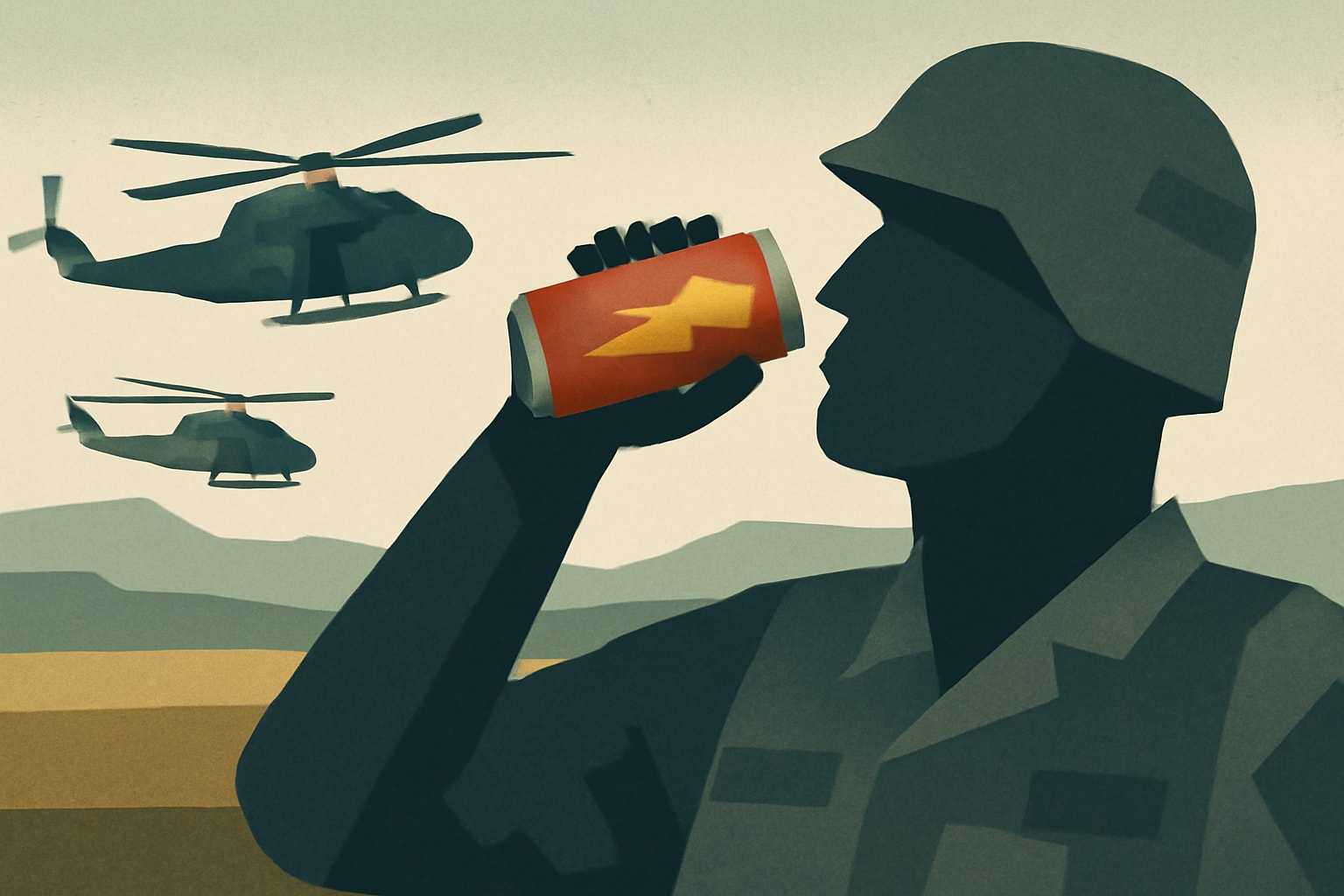
Troops consumed nearly a million gallons of coffee and two million energy drinks during the conflict, according to a top general.
What's Happening
- •U.S. troops consumed approximately two million energy drinks during Operation Epic Fury.
- •Nearly one million gallons of coffee were also consumed by service members during the operation.
- •General Dan Caine disclosed these figures, highlighting the reliance on caffeinated beverages.
Why It Matters
This report underscores the potential health risks associated with excessive energy drink consumption among military personnel. Understanding these implications is crucial for developing policies that prioritize the long-term health and performance of service members.
What Changes Now
- •There is increased awareness of the potential health risks of high energy drink consumption. This awareness may lead to changes in how energy drinks are accessed and consumed by service members.
- •The military may initiate a review of policies regarding energy drink access and usage. This review will focus on ensuring that service members are educated about the risks of excessive caffeine intake.
- •Service members may see a shift towards healthier alternatives for managing fatigue. This could include the introduction of programs promoting better nutrition and sleep hygiene.
What to Watch
- •Watch for military policy changes regarding energy drink consumption. These changes could be announced in the coming months as discussions continue.
- •Research into the long-term health effects of high caffeine intake in military personnel is expected to gain traction. This research will be critical for informing future policies and practices.
- •Monitor the development of alternative strategies for fatigue management among service members. The military may implement new programs aimed at reducing reliance on energy drinks.
Get the Daily Briefing
Military and veteran news that actually affects you, in your inbox each morning.
More Context
- •The Scope of Caffeine Consumption: During Operation Epic Fury, U.S. troops relied heavily on caffeinated beverages, consuming nearly one million gallons of coffee and two million energy drinks. General Dan Caine's revelation of these staggering figures has sparked discussions about the potential health implications of such high caffeine consumption. The extreme conditions faced by service members during the operation necessitated quick solutions for maintaining alertness and performance, leading to a heavy reliance on these stimulants.
- •Health Risks of Excessive Caffeine Intake: While caffeine can enhance alertness and performance, excessive consumption poses significant health risks. Potential adverse effects include anxiety, insomnia, and cardiovascular issues, all of which can compromise the well-being of military personnel. Military medical professionals are particularly concerned about the long-term health consequences of such high levels of energy drink consumption, prompting a need for further research and policy review.
- •Operational Demands and Stimulant Use: The military has a long history of using stimulants to combat fatigue and enhance performance. However, the sheer volume of energy drinks consumed during Operation Epic Fury indicates a possible over-reliance on these products, driven by factors such as extended combat periods and sleep deprivation. This raises important questions about the balance between operational effectiveness and the health of service members, necessitating a reevaluation of current practices.
- •Future Directions for Military Policy: The high consumption rates of energy drinks during this operation may prompt a review of military policies regarding their use. Potential changes could include stricter regulations on access to energy drinks, increased education on the risks associated with excessive caffeine intake, and the promotion of healthier alternatives for managing fatigue. By addressing these issues, the military can better support the long-term health and readiness of its personnel.
Veteran Take
For those who've served, the reliance on energy drinks and coffee during deployments is all too familiar. While these beverages can provide a quick boost, we need to seriously consider the long-term health impacts they carry. Veterans navigating these health concerns deserve policies that not only support their immediate performance but also safeguard their well-being for the future.
The Daily Briefing
Military & veteran news that actually affects you — delivered every morning.
- Pay, benefits & policy changes
- Pentagon decisions that matter
- VA updates for veterans & families
- One email. No spam. Unsubscribe anytime.
Related Stories
- Agencies Must Integrate Smart Identity Cards for Post-Quantum Cryptography— Federal News Network
- National Guard Responds to Troops Near DC Ballot Drop Box Incident— Task & Purpose
- Coast Guard Commandant Lunday Warns of TBI Risk From High-Speed Craft— Military.com
- US Marine Arrested in Okinawa for Alleged Murder and Robbery— Military Times