5G Technology: The DoD’s Wireless Backbone for Military Superiority
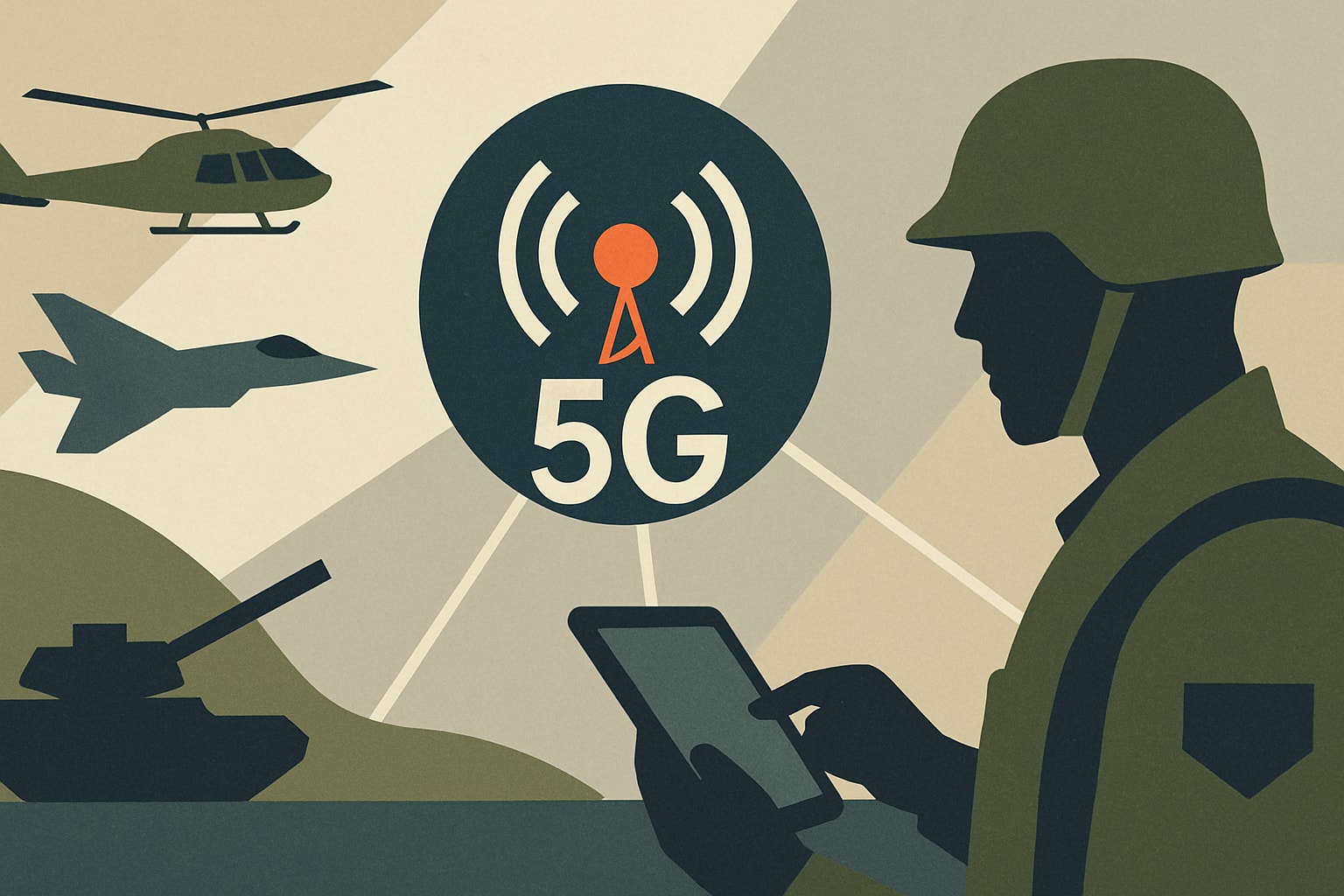
5G is poised to revolutionize military communication, enhancing operational capabilities in contested environments.
What's Happening
- •The Department of Defense (DoD) is integrating 5G technology into military operations.
- •5G will enhance communication speed and reliability for military units.
- •This technology is crucial for operations in contested environments.
Why It Matters
The integration of 5G technology is crucial for maintaining military superiority in modern warfare. As communication becomes faster and more reliable, service members can make informed decisions quickly, which is vital in high-stakes environments.
What Changes Now
- •The DoD is beginning to implement 5G technology in military operations. This change will enhance communication capabilities for units operating in contested environments.
- •Training programs for service members will evolve to include 5G applications. This ensures that personnel are equipped with the knowledge to utilize new technologies effectively.
- •Infrastructure upgrades are being planned to support 5G networks. These upgrades will be crucial for integrating advanced communication systems into existing military frameworks.
What to Watch
- •The timeline for full 5G implementation across military branches. This will provide insights into when service members can expect to see changes in their operational capabilities.
- •Upcoming pilot programs testing 5G technology in various military environments. The results of these tests will inform broader adoption and training requirements.
- •Developments in cybersecurity measures related to 5G networks. As threats evolve, the DoD will need to adapt its security protocols to protect sensitive military communications.
Get the Daily Briefing
Military and veteran news that actually affects you, in your inbox each morning.
More Context
- •The Role of 5G in Modern Warfare: 5G technology represents a significant leap in communication capabilities for the military. Unlike previous generations, 5G offers lower latency and higher data speeds, enabling real-time data sharing and enhanced situational awareness. This advancement is critical in contested environments where quick decision-making can determine mission success. For example, units equipped with 5G can access intelligence and coordinate actions more effectively, improving their operational effectiveness.
- •Implications for Service Members: Active duty service members, particularly those in technical fields such as 25B Information Technology Specialists and 17C Cyber Operations Specialists, will see direct benefits from the implementation of 5G. These personnel will need to adapt to new systems and protocols that leverage this technology for enhanced communication and data management. Training programs are expected to evolve to include 5G applications, ensuring that service members are prepared to utilize these capabilities effectively.
- •Challenges and Considerations: While 5G offers numerous advantages, there are challenges to its implementation within the military. Concerns about cybersecurity and the potential for adversaries to exploit these technologies must be addressed. The DoD is actively working to develop robust security measures to protect 5G networks from threats. Additionally, logistical challenges related to infrastructure and equipment upgrades will need to be managed to ensure seamless integration into existing military operations.
- •Future Developments to Monitor: As the DoD continues to roll out 5G technology, service members and defense civilians should stay informed about upcoming changes. The timeline for full implementation is expected to span several years, with pilot programs already underway in select locations. Monitoring these developments will provide insights into how 5G will reshape military operations and what training or equipment updates may be required.
Frequently Asked Questions
How will 5G technology affect my unit's communication?
5G technology will enhance communication speed and reliability, allowing for real-time data sharing and improved coordination during operations.
Will I need new training to use 5G technology?
Yes, training programs will be updated to include 5G applications, ensuring service members are prepared to utilize these advanced communication tools.
What are the security risks associated with 5G in the military?
Cybersecurity risks are a concern, and the DoD is developing measures to protect 5G networks from potential threats and vulnerabilities.
Veteran Take
For those who've served, the promise of 5G technology offers a glimpse into a future where communication is seamless and instant, something we know can be a matter of life and death in combat. Veterans navigating this transition will appreciate how critical reliable communication is in chaotic environments, as it directly impacts mission success and the safety of our brothers and sisters in arms. Anyone who's dealt with the frustrations of outdated technology understands the urgency of these advancements; they could redefine how our military operates on the ground.
The Daily Briefing
Military & veteran news that actually affects you — delivered every morning.
- Pay, benefits & policy changes
- Pentagon decisions that matter
- VA updates for veterans & families
- One email. No spam. Unsubscribe anytime.
Related Stories
- Agencies Must Integrate Smart Identity Cards for Post-Quantum Cryptography— Federal News Network
- National Guard Responds to Troops Near DC Ballot Drop Box Incident— Task & Purpose
- Kaizen Secures $49M Army Contract for Classified Work— DefenseScoop
- Veterans Face SNAP Barriers as USDA Guidance Delays Policy Changes— Military Times