Pentagon Warns U.S. Troops Targeted Using Location Data
Military officials report that U.S. forces deployed in war zones are being targeted through commercially available location data.
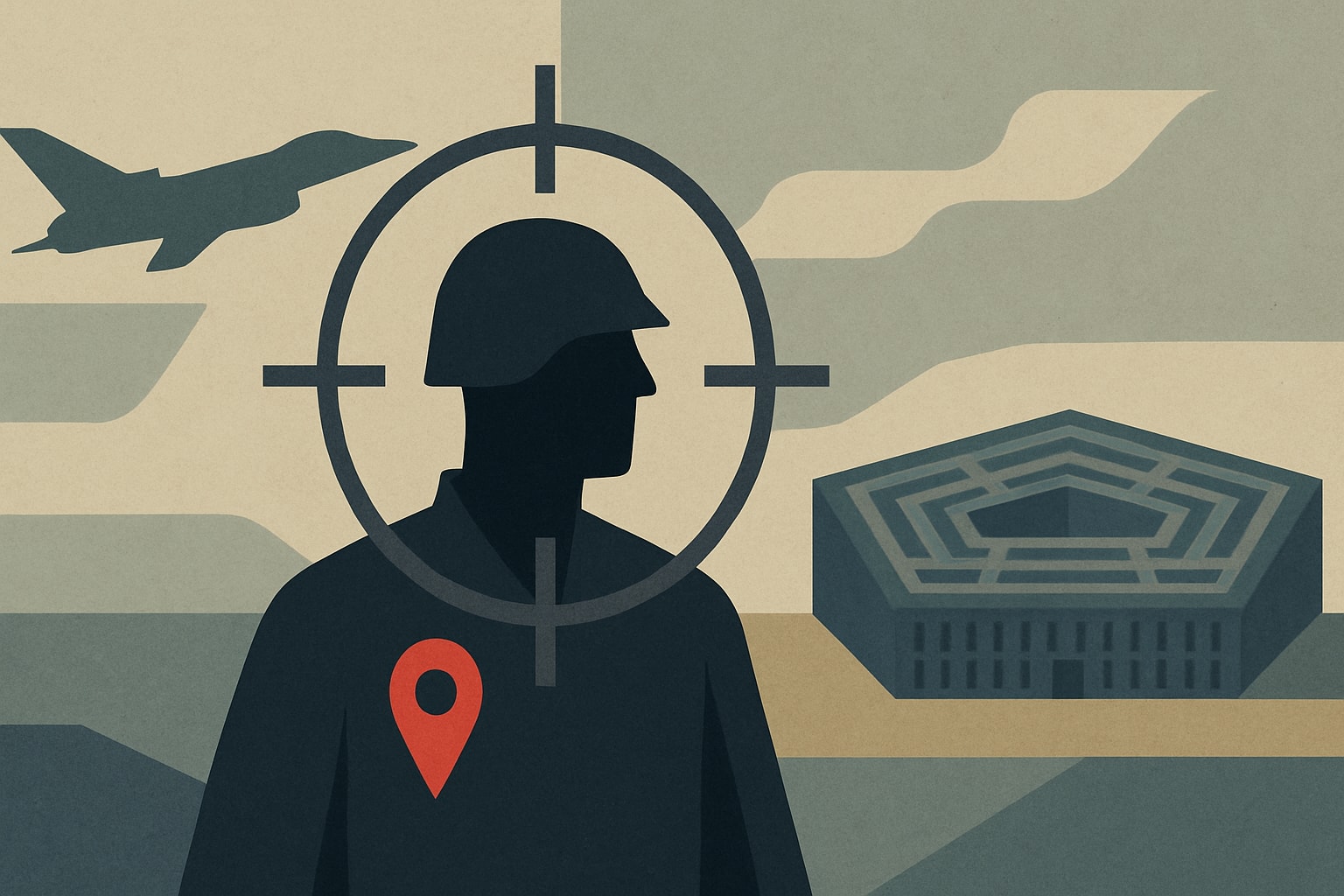
What's Happening
- •U.S. forces in war zones are being targeted using commercially available location data.
- •Military officials have raised alarms about the implications for troop safety.
- •This situation highlights vulnerabilities in operational security.
Why It Matters
The use of location data against U.S. troops poses a significant threat to their safety and mission effectiveness. As military operations increasingly rely on technology, understanding and mitigating these risks is crucial for all service members and their families.
What Changes Now
- •Service members are advised to disable location tracking on personal devices. This is crucial to prevent revealing their locations to potential adversaries.
- •Military leaders will conduct briefings on operational security practices. These briefings will help educate troops on the risks associated with location data.
- •There may be new policies regarding the use of personal devices in combat zones. This could lead to changes in how service members communicate and share information.
What to Watch
- •Upcoming guidance from the Pentagon on operational security protocols. This will provide critical information on how to protect service members in the field.
- •Potential new policies on personal device usage in combat zones. These changes could impact daily operations and communication methods for troops.
- •Updates on training programs focused on cybersecurity and data protection. Enhanced training will be essential for mitigating risks associated with location data.
Get the Daily Briefing
Military and veteran news that actually affects you, in your inbox each morning.
More Context
- •Understanding the Threat: Recent reports from military officials indicate that U.S. troops deployed in combat zones are at risk due to the misuse of commercially available location data. This data, which can be obtained by anyone, has been used to pinpoint the locations of service members, potentially exposing them to enemy actions. The Pentagon's acknowledgment of this threat underscores the need for enhanced operational security measures to protect personnel in the field.
- •Who Is Affected?: The primary groups affected include active duty service members, particularly those in combat roles such as infantry (11B), special operations (18 series), and logistics (92Y). Additionally, reservists and National Guard members deployed under Title 10 orders may also be at risk. These service members are often stationed in areas where operational security is crucial, and the revelation of their locations can lead to dire consequences.
- •Immediate Changes and Recommendations: In response to this threat, military leaders are urging all service members to review their use of location-based services on personal devices. This includes disabling location tracking features and being cautious about sharing location information on social media. Commanders are also encouraged to conduct briefings on operational security to raise awareness about the risks associated with location data.
- •What to Monitor Moving Forward: Service members should keep an eye on upcoming guidance from the Pentagon regarding operational security protocols. Additionally, the military may implement new policies on the use of personal devices in combat zones, which could affect daily operations. Finally, watch for updates on training programs that focus on cybersecurity and data protection, as these will be crucial in mitigating risks.
Frequently Asked Questions
Does this affect Guard members on Title 10 orders?
Yes, Guard members deployed under Title 10 orders are included in the group at risk from location data misuse.
What should I do to protect my location data?
Service members should disable location services on personal devices and avoid sharing location information on social media.
Are there new security measures being implemented?
Military leaders are urging enhanced operational security measures, including briefings and potential policy changes regarding personal device usage.
Veteran Take
For those who've served, the threat of being targeted through location data is a stark reminder of the vulnerabilities that come with modern warfare. We understand the importance of technology in our operations, but this revelation underscores the need for heightened awareness and security measures. Veterans navigating this landscape must advocate for stronger protections to ensure our brothers and sisters in arms can carry out their missions safely.
The Daily Briefing
Military & veteran news that actually affects you — delivered every morning.
- Pay, benefits & policy changes
- Pentagon decisions that matter
- VA updates for veterans & families
- One email. No spam. Unsubscribe anytime.
Related Stories
- Army Releases ‘Know the Threat’ Guide on Iranian Soldiers— Task & Purpose
- U.S. Army Awards $43 Million for New Software Platform on Classified Materials— Military Times
- A German U-Boat Intruded into Newport Harbor During World War I— Army Times
- Northrop Grumman’s YFQ-48A CCA Completes First Fully Autonomous Flight— Defense News