Chinese and Russian Ships Conduct Joint Naval Drills in Yellow Sea
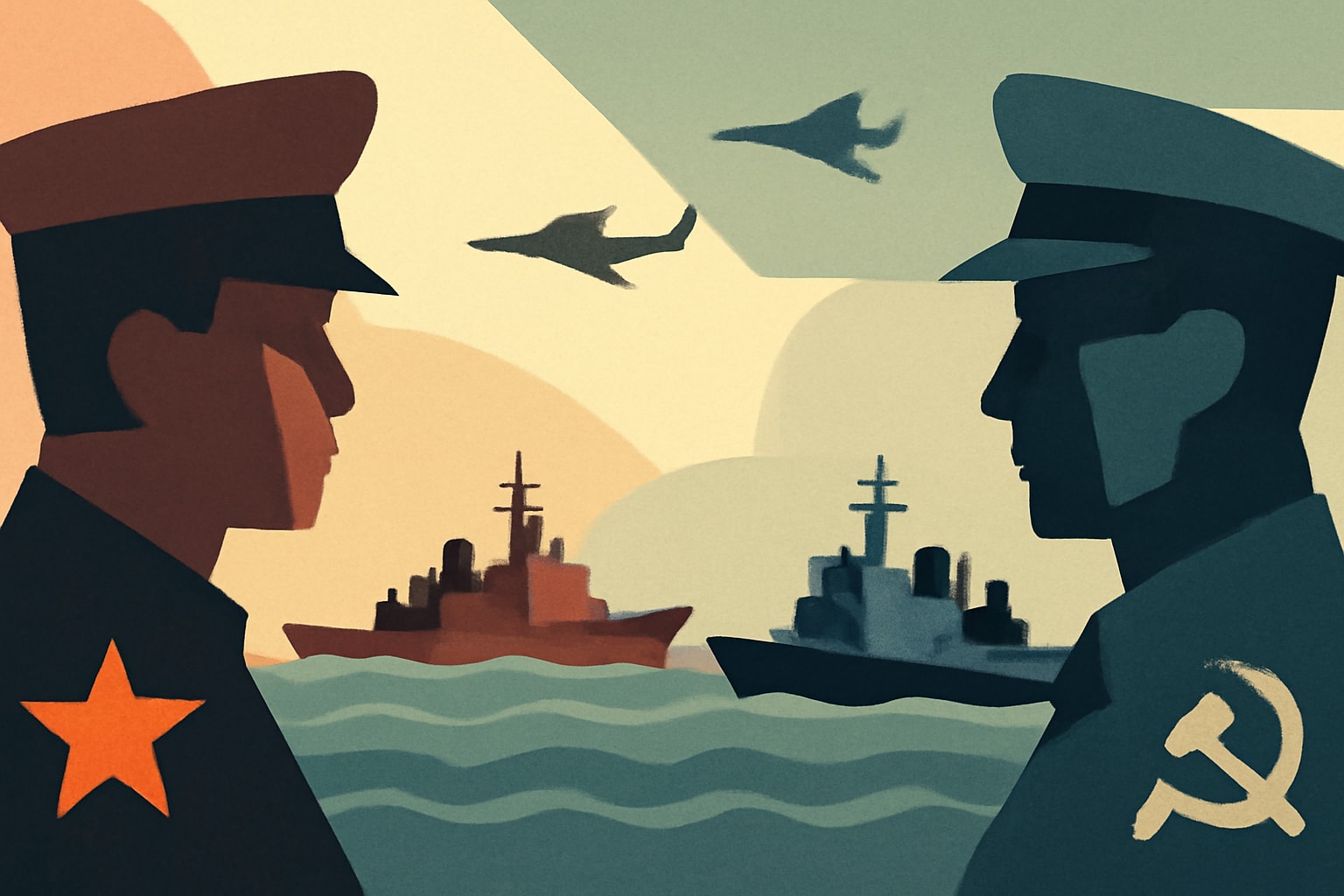
The recent joint naval exercises by China and Russia in the Yellow Sea signal growing military cooperation between the two nations.
What's Happening
- •Chinese and Russian naval forces have commenced joint military drills in the Yellow Sea.
- •The exercises involve multiple ships and are designed to enhance operational coordination between the two nations.
- •This marks a significant increase in military collaboration between China and Russia amid rising tensions in the region.
Why It Matters
The joint naval exercises between China and Russia represent a significant shift in military dynamics in the Asia-Pacific region. For U.S. service members and defense personnel, understanding these developments is crucial for maintaining readiness and effective response strategies.
What Changes Now
- •U.S. military strategy in the Asia-Pacific may need to adapt to the growing collaboration between China and Russia. This adaptation could involve increased readiness drills and enhanced surveillance operations.
- •Service members should expect potential changes in deployment schedules as the U.S. assesses the implications of these drills. Commanders may prioritize training that focuses on joint operations with allies in response to the drills.
- •Personnel stationed in the region may see an uptick in joint exercises with allied forces. This is to ensure that all parties are prepared for any escalated tensions resulting from the drills.
What to Watch
- •Monitor updates from the Pentagon regarding military readiness assessments. These assessments will inform how U.S. forces may need to respond to the evolving security landscape.
- •Watch for announcements regarding joint exercises with allies in response to the Sino-Russian drills. These exercises will be crucial for maintaining regional stability and readiness.
- •Keep an eye on diplomatic communications between the U.S. and its allies. Changes in these relationships could significantly impact military operations in the region.
Get the Daily Briefing
Military and veteran news that actually affects you, in your inbox each morning.
More Context
- •Overview of the Naval Drills: The joint naval exercises between China and Russia are taking place in the Yellow Sea, an area of strategic importance. These drills are reportedly aimed at improving the interoperability of their naval forces, which could include training in anti-submarine warfare, surface combat operations, and joint logistical support. The exercises reflect a growing partnership between the two nations, which has been increasingly evident in recent years as they seek to counterbalance U.S. influence in the Asia-Pacific region.
- •Implications for U.S. Military Readiness: The increased military cooperation between China and Russia poses challenges for U.S. military strategy in the region. Active duty naval personnel, particularly those in the Pacific Fleet, should be aware of the potential for heightened tensions and the need for readiness in response to any aggressive maneuvers. This situation may necessitate adjustments in U.S. naval deployments and operations to ensure that American forces can effectively respond to any threats posed by these joint exercises.
- •Regional Security Concerns: The drills are likely to raise concerns among U.S. allies in the region, including South Korea and Japan. These nations may feel increased pressure to enhance their own military readiness and cooperation with U.S. forces. For service members and defense civilians stationed in these areas, this could mean a shift in focus towards joint training exercises and collaboration with allied forces to counter potential threats from the growing Sino-Russian partnership.
- •What Service Members Should Monitor: Service members should keep an eye on updates from the Department of Defense regarding changes in military posture in response to these drills. This includes potential adjustments to training schedules and readiness levels. Additionally, personnel should stay informed about any diplomatic developments that could arise from these exercises, as they may impact future operations and deployments.
Frequently Asked Questions
Does this affect Guard members on Title 10 orders?
Yes, Guard members on Title 10 orders may be called to support increased readiness in response to these drills, particularly if tensions escalate.
Will my deployment be affected by these naval drills?
Deployments may be adjusted based on the outcomes of these drills and the evolving security situation in the region.
Veteran Take
For those who've served, the sight of China and Russia conducting joint naval drills is a stark reminder of the shifting global power dynamics we’ve trained to navigate. Veterans navigating this will understand the implications for our national security and the importance of staying vigilant. It’s a call to reinforce our alliances and adapt our strategies, as the threats we faced during our service continue to evolve.
The Daily Briefing
Military & veteran news that actually affects you — delivered every morning.
- Pay, benefits & policy changes
- Pentagon decisions that matter
- VA updates for veterans & families
- One email. No spam. Unsubscribe anytime.
Related Stories
- Watchdog Report Reveals Security Flaws in Pentagon Wireless Services— Task & Purpose
- Marine Corps Invests $19.25 Million in Electric Seaglider Technology— Military.com
- U.S. Army Futures Command Renamed to Emphasize Modernization— Military Times
- US Army Creates Robotics Technician Job to Focus on Drone Warfare— Military Times