US Navy to Blockade Strait of Hormuz, Trump Announces
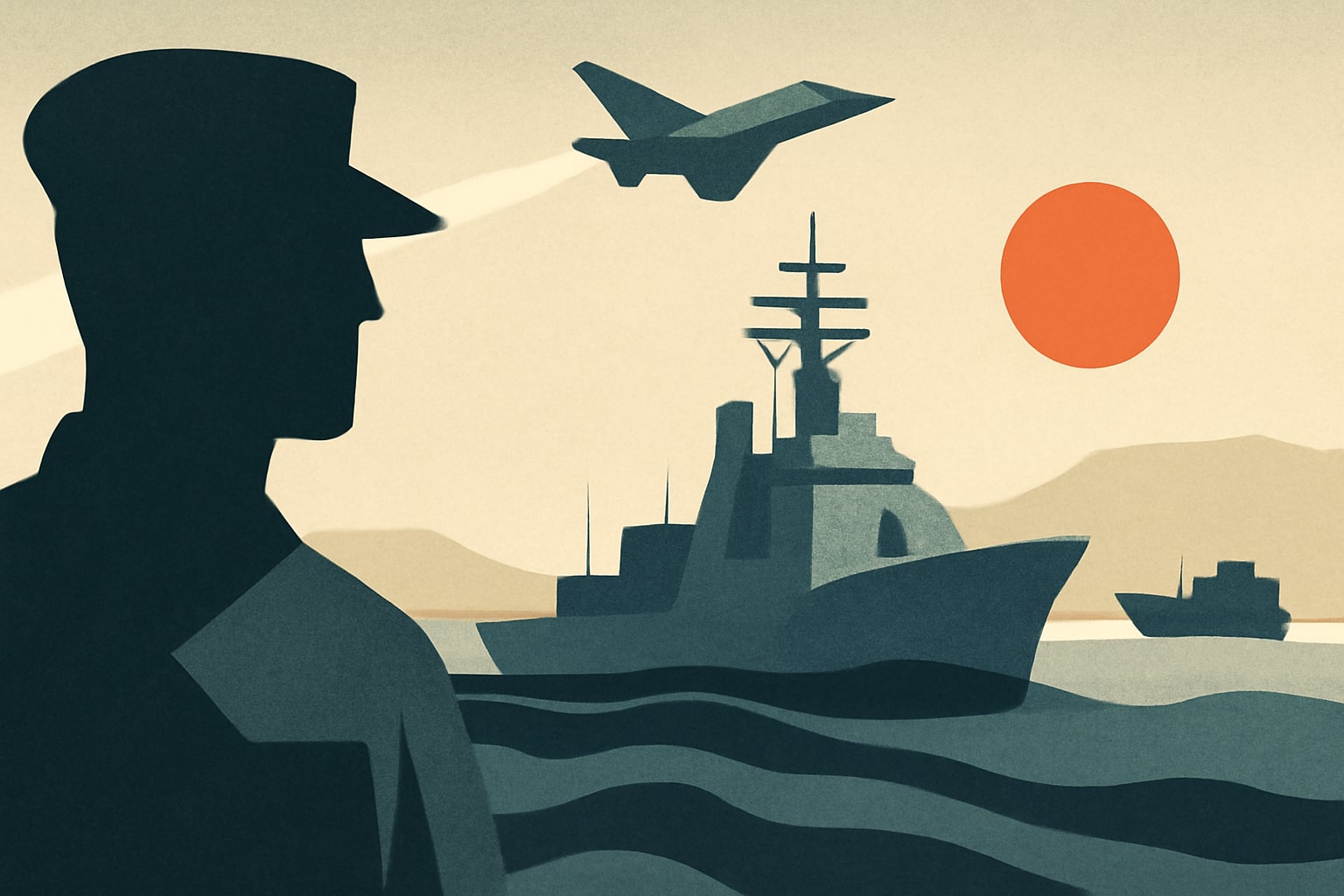
President Trump announced the immediate commencement of a US Navy blockade of the Strait of Hormuz, escalating tensions with Iran.
What's Happening
- •President Trump announced on April 12, 2026, that the US Navy will blockade the Strait of Hormuz immediately.
- •The blockade aims to prevent Iranian interference with oil shipments in this critical waterway.
- •The President issued a stern warning to Iran regarding any hostile actions against US forces or peaceful vessels.
Why It Matters
The blockade of the Strait of Hormuz directly affects U.S. military operations and the safety of service members deployed in the region. Increased tensions with Iran may lead to rapid deployments and heightened risks for Navy personnel and their families.
What Changes Now
- •The US Navy's presence in the Strait of Hormuz will increase significantly. This means more ships and personnel will be deployed to enforce the blockade and ensure maritime security.
- •Tensions between the US and Iran are expected to escalate following this announcement. Service members may face heightened risks and operational challenges in the region.
- •Military families should prepare for the possibility of rapid deployments. The stress associated with these developments can impact family dynamics and well-being.
What to Watch
- •The Iranian government's response to the blockade will be crucial. Their reaction could influence the level of military engagement and potential conflict in the region.
- •Diplomatic efforts to de-escalate the situation will be closely monitored. International stakeholders, including European nations, may push for negotiations to prevent further escalation.
- •The impact on global oil markets will be significant to watch. Fluctuations in oil prices could affect economic stability and lead to broader geopolitical consequences.
Get the Daily Briefing
Military and veteran news that actually affects you, in your inbox each morning.
More Context
- •Details of the Blockade Announcement: On April 12, 2026, President Donald Trump declared that the United States Navy would commence an immediate blockade of the Strait of Hormuz. This strategic waterway is essential for global oil transportation, and the President's announcement was accompanied by a stark warning: 'Any Iranian who fires at us, or at peaceful vessels, will be BLOWN TO HELL!' This declaration escalates the longstanding tensions between the U.S. and Iran, signaling a shift in U.S. military posture in the region.
- •Implications for Global Oil Markets: The Strait of Hormuz is a critical transit point for a significant portion of the world's oil supply, making the blockade a potential disruptor of global energy markets. Any interruptions in oil shipments could lead to increased prices and economic instability worldwide. The aggressive stance taken by the U.S. raises concerns about broader conflicts, as Iran has historically viewed such actions as provocations.
- •Legal and Diplomatic Considerations: The legal justification for the blockade is not yet clear, as international law typically requires specific conditions for blockades, such as a declared war or United Nations authorization. The Trump administration has not publicly confirmed whether it has sought such authorization, which raises questions about the legality of this action. The potential for miscalculation and unintended escalation is significant, given the close proximity of U.S. and Iranian naval forces.
- •Reactions and Future Developments: The announcement has prompted strong international reactions, with Iran condemning the blockade as an act of aggression. Several European nations have expressed concern over the potential for instability in the region and have called for diplomatic solutions. As the situation unfolds, the world will be closely monitoring Iran's response and any subsequent diplomatic efforts to de-escalate tensions.
- •Impact on U.S. Military Personnel: Service members, particularly those in the Navy and Marine Corps, will be directly affected by this blockade. Increased deployments to the region are anticipated, and the risk of confrontation with Iranian forces is heightened. Military families should prepare for potential rapid deployments and the associated stress of increased tensions in the area.
Veteran Take
For those who've served, the announcement of a blockade in such a critical area brings back memories of our own deployments and the uncertainty that comes with them. Veterans navigating this will undoubtedly feel a mix of concern for their fellow service members and the families left behind, as heightened tensions can lead to rapid mobilizations and increased risks. Anyone who's dealt with the realities of military life knows that decisions made at the top can have immediate and profound impacts on those in the field.
The Daily Briefing
Military & veteran news that actually affects you — delivered every morning.
- Pay, benefits & policy changes
- Pentagon decisions that matter
- VA updates for veterans & families
- One email. No spam. Unsubscribe anytime.
Related Stories
- Agencies Must Integrate Smart Identity Cards for Post-Quantum Cryptography— Federal News Network
- National Guard Responds to Troops Near DC Ballot Drop Box Incident— Task & Purpose
- USS George HW Bush Aircraft Carrier Docks in Thailand After Middle East Operations— Task & Purpose
- Taiwan Receives First Two F-16V Fighter Jets to Strengthen Defense— Defense News