Navy Seeks Solutions to Protect Ballistic Missile Submarines from New Threats
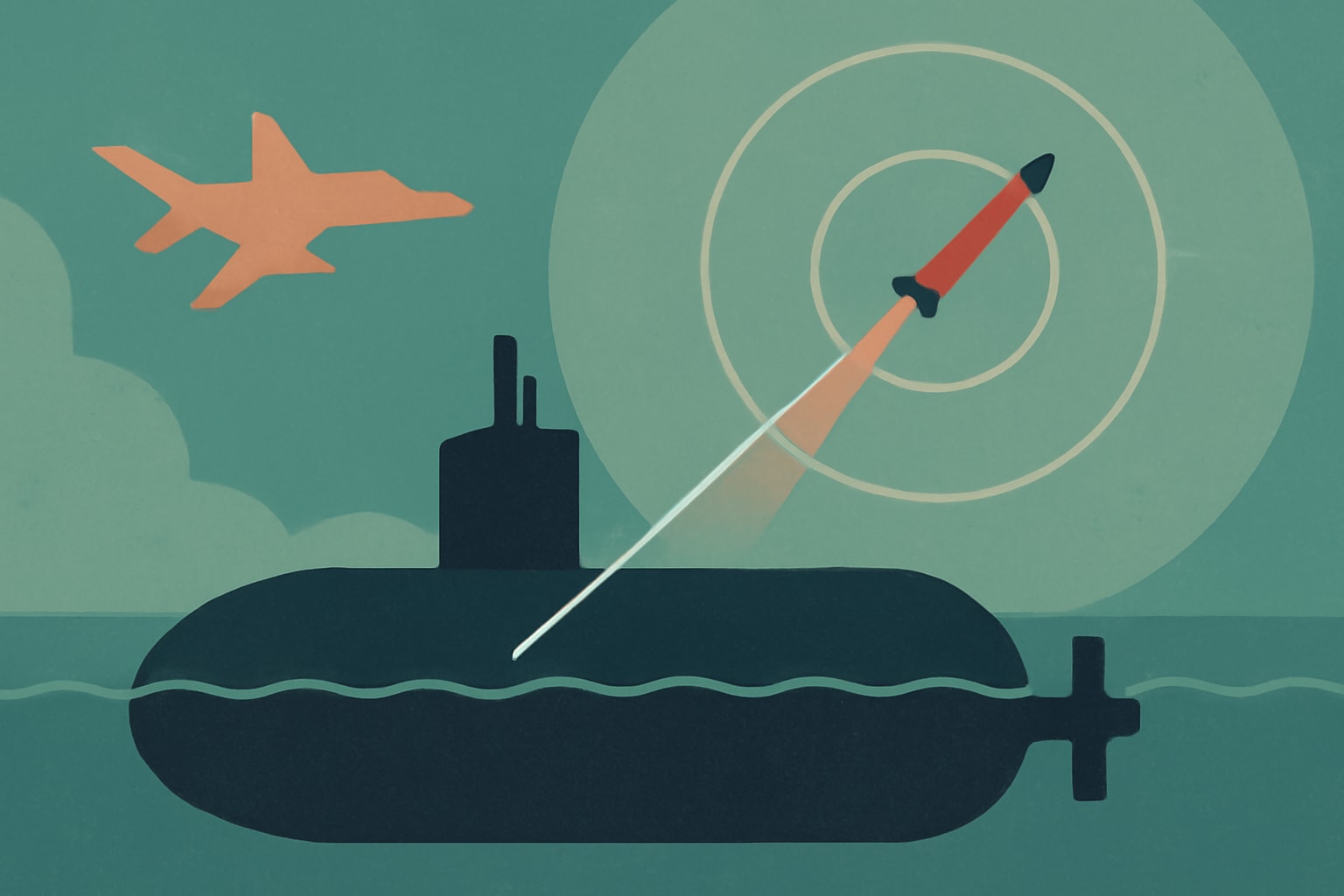
The U.S. Navy is exploring enhanced protection strategies for its missile submarines amid rising threats from drones and anti-tank rockets.
What's Happening
- •The U.S. Navy is investigating better protection methods for its ballistic missile submarines.
- •Concerns have risen over the potential vulnerability of these submarines to drones and anti-tank rockets.
- •The Navy is also focused on safeguarding shore installations that support submarine operations.
Why It Matters
The security of ballistic missile submarines is critical for maintaining U.S. deterrence capabilities. As threats evolve, the Navy's response will directly impact the safety and effectiveness of service members operating these vital assets.
What Changes Now
- •The Navy is increasing its focus on developing new technologies to protect submarines. This change is critical as it directly addresses the vulnerabilities posed by modern threats.
- •Submarine crews may soon undergo additional training on new defensive measures. This training will help ensure personnel are prepared to respond to potential attacks effectively.
- •Operational protocols may be updated to enhance the safety of submarines in contested waters. These updates will be communicated to affected service members through official channels.
What to Watch
- •Upcoming announcements regarding new submarine defense technologies. These developments are expected to be revealed in the next defense budget cycle.
- •Changes in training programs for submarine crews. The Navy may roll out new training modules within the next year to address emerging threats.
- •Potential collaborations with defense contractors for advanced systems. These partnerships could be formalized in the coming months, impacting future procurement strategies.
Get the Daily Briefing
Military and veteran news that actually affects you, in your inbox each morning.
More Context
- •Emerging Threats to Naval Security: The U.S. Navy's ballistic missile submarines (SSBNs) play a crucial role in national defense, serving as a deterrent against potential adversaries. However, advancements in drone technology and anti-tank weaponry have raised alarms about the vulnerabilities of these submarines. The Navy is now prioritizing the development of countermeasures to mitigate these risks, recognizing that traditional defense strategies may not suffice against such modern threats.
- •Current Protective Measures and Gaps: Currently, the Navy employs various technologies to protect its submarines, including stealth capabilities and sonar systems. However, as adversaries develop more sophisticated attack methods, these measures may become inadequate. The Navy's focus is shifting towards integrating advanced surveillance and interception technologies that can detect and neutralize threats before they reach the submarines, particularly in contested environments.
- •Impact on Submarine Crews and Operations: The potential vulnerabilities of ballistic missile submarines directly affect the morale and operational readiness of the crews stationed on these vessels. Submarine personnel, particularly those in the ranks of E-5 to E-9, must be prepared for evolving threats and may require additional training on new defensive technologies. This shift in focus could also influence deployment strategies, as the Navy seeks to ensure that its submarines can operate effectively in high-risk areas.
- •What’s Next for Navy Submarine Defense: As the Navy continues to assess the threats posed by drones and anti-tank rockets, it is expected to announce new initiatives aimed at strengthening submarine defenses. This could involve collaborations with defense contractors to develop innovative technologies and strategies. Service members should stay informed about upcoming changes in operational protocols and training requirements that may arise from these developments.
Frequently Asked Questions
Will there be new training for submarine crews?
Yes, new training programs are expected to be implemented to prepare crews for emerging threats.
How will these changes affect submarine deployments?
Operational protocols may be adjusted to ensure submarines can navigate high-risk areas safely.
What technologies are being considered for submarine defense?
The Navy is exploring advanced surveillance and interception technologies to enhance submarine protection.
Veteran Take
For those who've served in the Navy, the safety of our submarines is not just a strategic concern; it's personal. We understand that every advancement in threats requires an equally strong response to ensure our brothers and sisters in arms can operate without fear. As veterans, we recognize the importance of adapting to new challenges to protect those who continue to serve in these critical roles.
The Daily Briefing
Military & veteran news that actually affects you — delivered every morning.
- Pay, benefits & policy changes
- Pentagon decisions that matter
- VA updates for veterans & families
- One email. No spam. Unsubscribe anytime.
Related Stories
- Air Force Successfully Tests New Sentinel ICBM Reentry Vehicle— Air & Space Forces Magazine
- B-2 Stealth Bomber Returns to Whiteman AFB After Depot Maintenance— Air & Space Forces Magazine
- USS Frank E. Petersen Jr. Returns After 10-Month Deployment— Task & Purpose
- Powerus Unveils Fully Autonomous Drone Interceptors for Military Applications— Military Times