Powerus Unveils Fully Autonomous Drone Interceptors for Military Applications
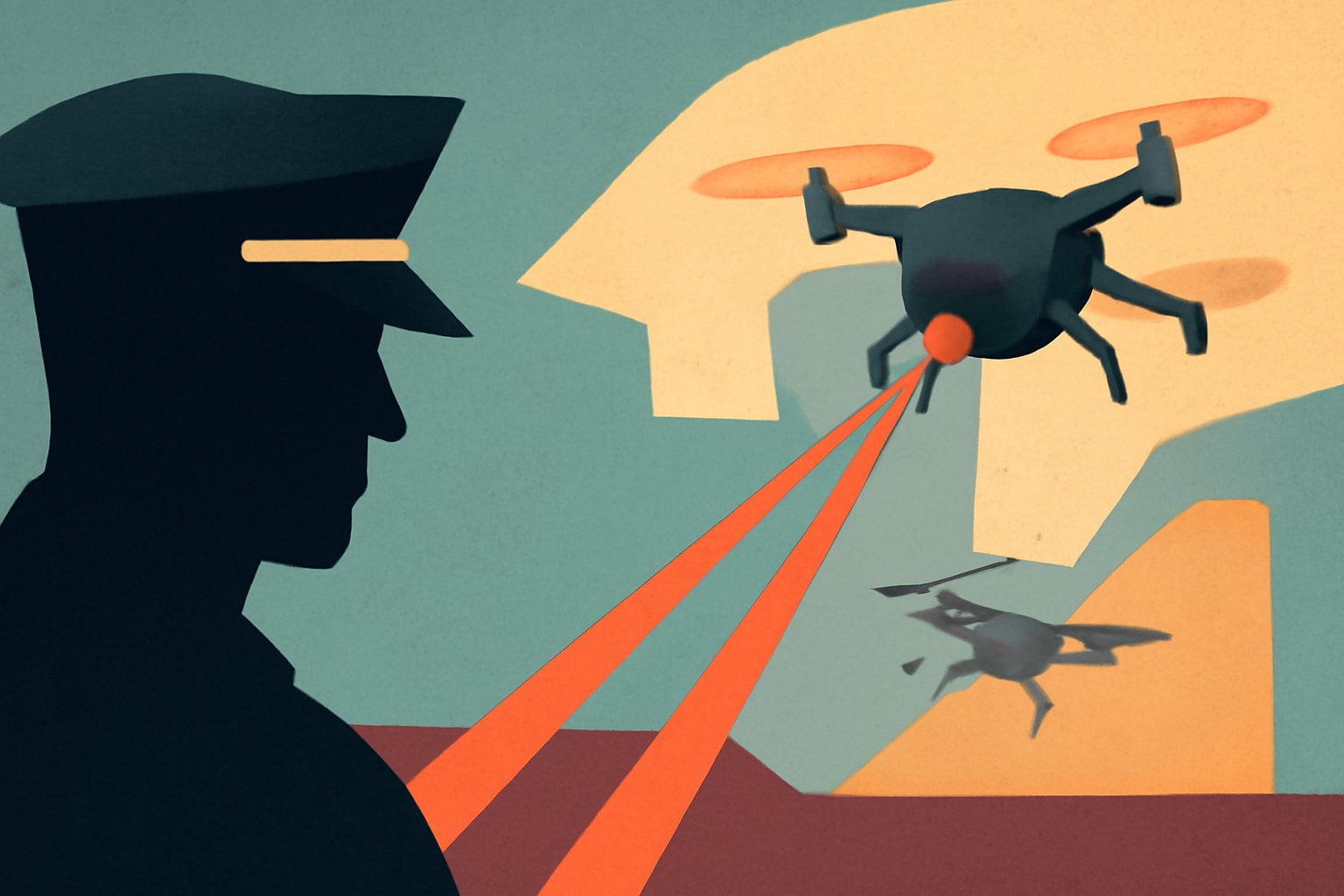
The Guardian 3 interceptors utilize advanced AI to autonomously target and neutralize aerial threats.
What's Happening
- •Powerus has launched the Guardian 3, a fully autonomous drone interceptor.
- •The interceptors use advanced AI and navigational systems to engage threats.
- •These drones are designed to enhance military aerial defense capabilities.
Why It Matters
The unveiling of the Guardian 3 interceptors is significant for military readiness and defense capabilities. As aerial threats become more sophisticated, having autonomous systems that can respond quickly is crucial for protecting personnel and assets.
What Changes Now
- •The deployment of the Guardian 3 will necessitate changes in operational strategies for air defense units. This means that personnel will need to adapt to new protocols that incorporate the use of autonomous drones.
- •Training programs will be updated to include instruction on the Guardian 3's capabilities and integration into existing systems. Service members will need to participate in these training sessions to ensure they are prepared for operational changes.
- •Air defense protocols will likely be revised to accommodate the use of autonomous systems. This will require service members to stay informed about new procedures and operational best practices.
What to Watch
- •Watch for upcoming military exercises that will test the Guardian 3 in real-world scenarios. These exercises will provide valuable insights into the drone's effectiveness and areas for improvement.
- •Defense contractors will be gathering feedback from service members on the ground regarding the performance of the Guardian 3. This feedback will be crucial for future developments and enhancements of the technology.
- •Future funding decisions regarding drone technology will be influenced by the performance of the Guardian 3. Military leaders will assess its impact on operational effectiveness and readiness.
Get the Daily Briefing
Military and veteran news that actually affects you, in your inbox each morning.
More Context
- •Overview of the Guardian 3: The Guardian 3 represents a significant advancement in military technology, specifically in the realm of aerial defense. Designed by Powerus, these fully autonomous drone interceptors are equipped with cutting-edge artificial intelligence that enables them to identify and engage threats without human intervention. This capability is crucial in modern warfare, where rapid response times can mean the difference between success and failure in defense operations.
- •Implications for Military Operations: The introduction of the Guardian 3 interceptors could transform how military forces approach aerial threats. For active-duty personnel, especially those in roles related to air defense and surveillance, this technology may streamline operations and reduce the risk to human life. As these drones autonomously navigate and neutralize threats, service members can focus on broader strategic objectives rather than direct engagement.
- •Who Will Be Affected?: This technology primarily impacts active-duty air defense personnel, particularly those in roles such as 14P (Air Defense Artillery) and 1C4X1 (Airborne Cryptologic Language Analyst). Additionally, reserve component members involved in air defense operations will need to familiarize themselves with the capabilities and integration of these drones into existing systems. The shift towards autonomous systems may also influence training programs and operational protocols across various branches.
- •What Changes Now?: With the deployment of the Guardian 3, military units will need to adapt their operational strategies to incorporate these drones. Training sessions will likely be scheduled to ensure personnel understand how to work alongside these autonomous systems effectively. Moreover, the integration of this technology may lead to updates in air defense protocols, requiring service members to stay informed about new procedures and best practices.
- •What to Watch: Upcoming military exercises may include the Guardian 3 to evaluate its effectiveness in real-world scenarios. Additionally, defense contractors and military leaders will be monitoring feedback from service members on the ground to refine the technology further. As the military evaluates the performance of these interceptors, decisions regarding future investments in drone technology will be made, impacting funding and resource allocation.
Frequently Asked Questions
Does this affect Guard members on Title 10 orders?
Yes, Guard members on Title 10 orders may be involved in operations utilizing the Guardian 3 interceptors, impacting their training and deployment.
What training will be required for air defense personnel?
Air defense personnel will need to undergo updated training programs to learn how to operate alongside the Guardian 3 and integrate it into existing air defense strategies.
How will this technology impact military readiness?
The Guardian 3 interceptors aim to enhance military readiness by providing a rapid response capability against aerial threats, allowing personnel to focus on strategic objectives.
The Daily Briefing
Military & veteran news that actually affects you — delivered every morning.
- Pay, benefits & policy changes
- Pentagon decisions that matter
- VA updates for veterans & families
- One email. No spam. Unsubscribe anytime.
Related Stories
- 8th Army Adapts to Evolving Drone Threats in South Korea— DefenseScoop
- ARCYBER Expands Use of AI Agents for Network Operations— DefenseScoop
- 7th Air Force Pursues New Counter-Drone Capabilities for South Korea— DefenseScoop
- Air Force and Space Force Set Historic Recruiting Goals for 2027— Air & Space Forces Magazine