US Military May Require Troops in Mideast to Surrender Cell Phones
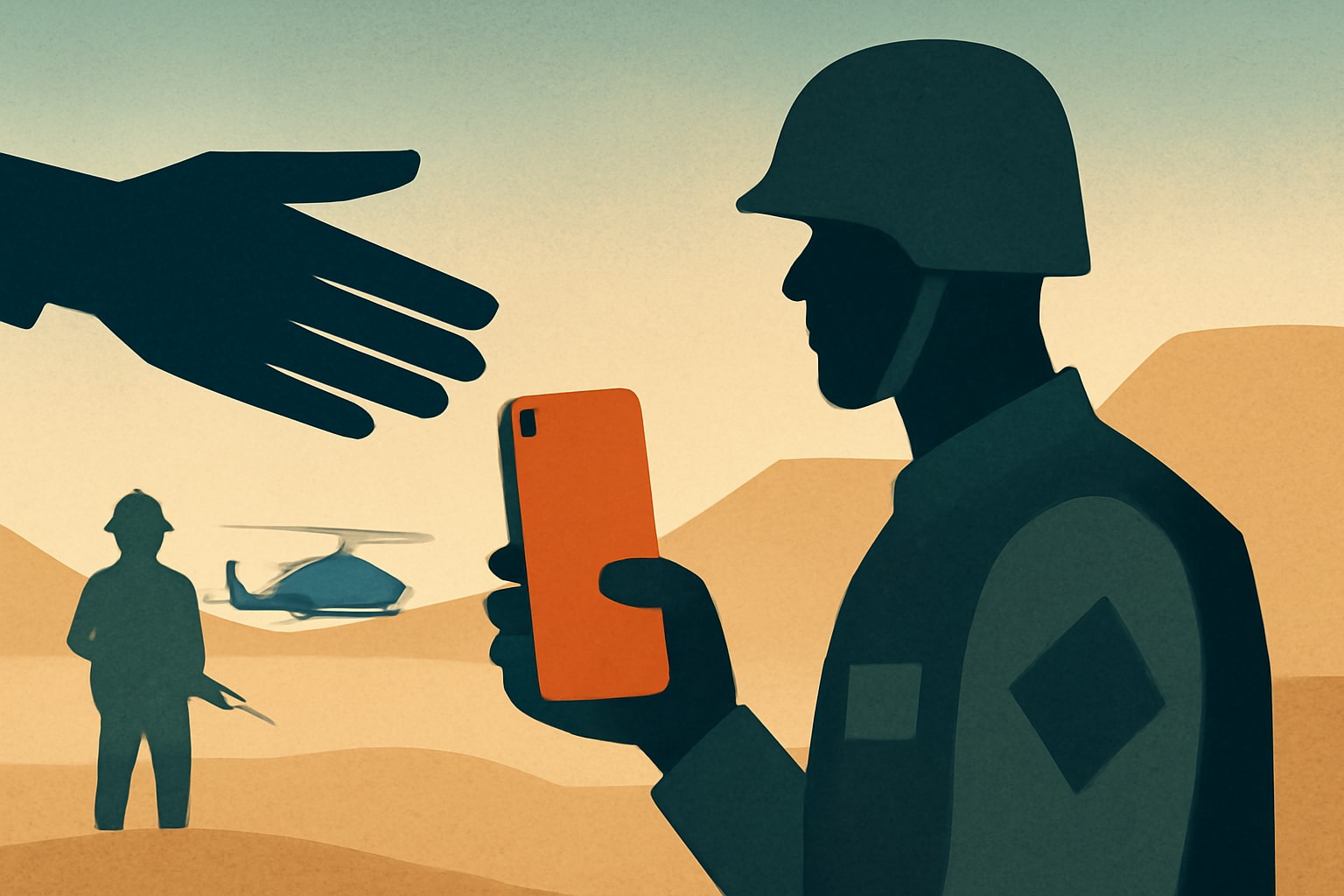
New policy could impact service members in the Middle East as commanders warn about security risks from cell phone usage.
What's Happening
- •U.S. commanders in the Middle East are considering a policy requiring troops to surrender their cell phones.
- •The measure aims to enhance operational security against potential threats from adversaries like Iran.
- •Cellphone videos shared online have been identified as a risk that could lead to targeted attacks on American bases.
Why It Matters
The potential policy shift regarding cell phone usage in the Middle East underscores the ongoing security challenges faced by U.S. forces. As adversaries adapt their tactics, it is crucial for military personnel to remain vigilant and compliant with operational security measures to protect themselves and their missions.
What Changes Now
- •Troops may soon be required to surrender their cell phones during deployments. This change aims to prevent adversaries from using shared information to target U.S. forces.
- •New guidelines will likely be established regarding the use of personal electronic devices in combat zones. Service members should stay informed through official channels to understand their responsibilities.
- •Commanders will provide briefings on the new policies and their implications. It is essential for all affected personnel to attend these briefings to avoid any misunderstandings.
What to Watch
- •Look for announcements from the Department of Defense regarding the timeline for implementing these policies. Understanding the schedule will help service members prepare for compliance.
- •Monitor communications from unit leaders about how these changes will be enforced. This will provide clarity on expectations and potential consequences for non-compliance.
- •Watch for feedback from service members regarding the impact of these policies on their personal lives and morale. This feedback may influence future adjustments to the policy.
Get the Daily Briefing
Military and veteran news that actually affects you, in your inbox each morning.
More Context
- •Understanding the Security Risks: The warning from U.S. commanders highlights the increasing security threats posed by digital communications. Cellphones, while essential for personal communication, can inadvertently provide adversaries with critical information about troop movements and base locations. This concern is particularly relevant in the Middle East, where tensions with nations like Iran remain high. Service members sharing videos or images of their surroundings can unintentionally reveal sensitive details, making them vulnerable to targeting. The military's response to these risks may involve stricter regulations on personal device usage.
- •Who Will Be Affected?: Active duty service members, particularly those in combat roles such as infantry (11B) and special operations forces (18 series), will be directly impacted by any new policies. These troops often operate in high-risk environments where operational security is paramount. Additionally, support personnel stationed at bases in the region, including logistics (92Y) and communications (25 series) specialists, may also be required to comply with these regulations. The potential for a blanket policy indicates that all ranks, from E-4 to E-9, could be affected depending on their deployment status.
- •What Changes Are Coming?: The military is likely to implement new guidelines regarding personal electronic devices in the coming weeks. This could mean mandatory surrender of cell phones during deployments or specific operational periods. Service members should prepare for briefings on these changes, which will outline the procedures for device management and potential consequences for non-compliance. Understanding these protocols will be crucial for maintaining operational security and personal accountability.
- •What to Watch For: Watch for official announcements from the Department of Defense regarding the implementation timeline of these policies. Commanders in the region will likely provide updates on how these changes will be enforced and the rationale behind them. Additionally, observe how these policies affect troop morale and communication capabilities, as service members may express concerns about their ability to stay connected with family and friends. The military's approach to balancing security with personal freedoms will be a key area of focus.
Frequently Asked Questions
Will I have to surrender my phone if I am deployed?
Yes, if the policy is implemented, deployed service members may be required to surrender their cell phones to enhance operational security.
How will this affect my communication with family?
Surrendering phones may limit direct communication, but the military will likely provide alternative methods for staying in touch.
What should I do if I have concerns about this policy?
Service members should raise their concerns during briefings or through their chain of command to ensure their voices are heard.
Veteran Take
For those who've served in the Middle East, the idea of surrendering our cell phones hits hard. We know all too well how critical communication is, but the reality is that security must come first. Navigating the balance between staying connected and ensuring operational security is a challenge we all understand, and it’s a reminder that vigilance is part of our duty.
The Daily Briefing
Military & veteran news that actually affects you — delivered every morning.
- Pay, benefits & policy changes
- Pentagon decisions that matter
- VA updates for veterans & families
- One email. No spam. Unsubscribe anytime.
Related Stories
- Tuskegee Airmen Make History with First Military Aerial Gunnery Win— Military.com
- Five Pivotal Moments in Air Force Reserve History— Military.com
- F-22 Pilot Makes Safe Belly Landing After Wheel Assembly Failure— Task & Purpose
- Veteran Runs 2,977 Miles to Honor Lives Lost on 9/11— Military Times