BCE Consulting Discusses Key Elements of Layered Air Defense Architecture
BCE Consulting outlines critical components necessary for effective layered air defense to protect American forces.
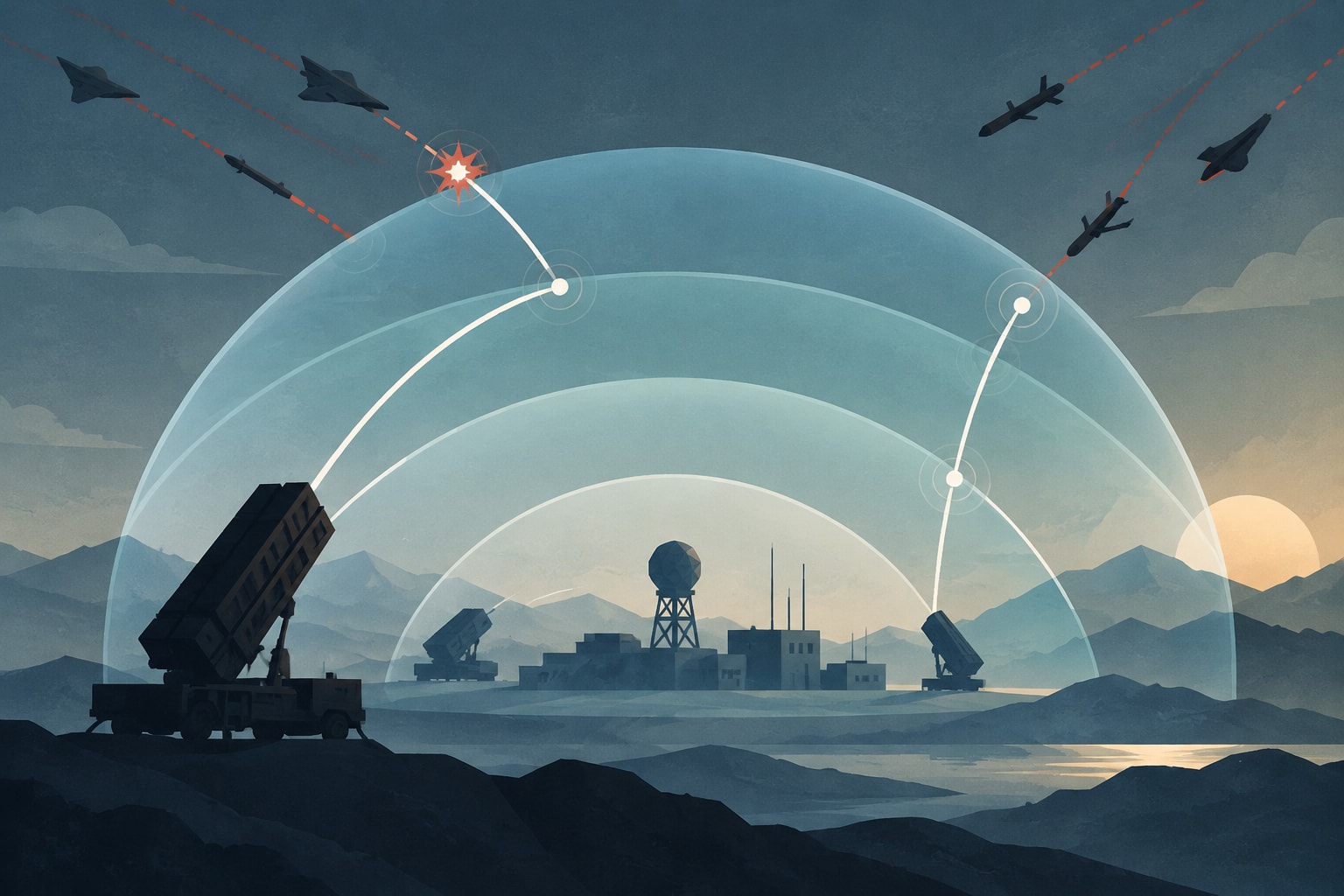
What's Happening
- •BCE Consulting has released insights on layered air defense architecture.
- •The report emphasizes the need for integrated defense systems to protect U.S. forces.
- •Key elements include advanced radar systems, missile defense, and cyber capabilities.
Why It Matters
Layered air defense is crucial for the safety of U.S. forces deployed in high-threat environments. Understanding these developments allows military personnel and their families to grasp the implications for mission readiness and personal safety.
What Changes Now
- •The military is prioritizing the integration of advanced air defense systems. This means that personnel in relevant fields will need to adapt to new technologies and training requirements.
- •Training programs will evolve to incorporate the latest advancements in layered air defense. Service members should expect updates and new protocols to ensure they are prepared for these changes.
- •Increased focus on cyber capabilities will be essential for air defense operations. Personnel will need to enhance their skills in cybersecurity to protect against potential threats.
What to Watch
- •Watch for announcements from the Department of Defense regarding new air defense technologies. These updates will provide clarity on how systems will be integrated and the timeline for implementation.
- •Keep an eye on training program updates related to air defense roles. Changes in curriculum and training schedules will be communicated through official channels in the coming months.
- •Monitor developments in international air defense collaborations. Partnerships with allied nations may influence U.S. strategies and technologies in layered air defense.
Get the Daily Briefing
Military and veteran news that actually affects you, in your inbox each morning.
More Context
- •Understanding Layered Air Defense: Layered air defense is a strategic approach that combines multiple systems to protect against a variety of aerial threats. BCE Consulting emphasizes that this architecture is essential for safeguarding U.S. forces, especially in contested environments where threats can come from various sources, including drones, missiles, and aircraft. By integrating different technologies, the military can create a more resilient defense posture, ensuring that if one system fails, others can compensate.
- •Key Components of Effective Defense: The report identifies several critical components necessary for a robust layered air defense system. These include advanced radar systems that can detect and track multiple targets simultaneously, missile defense systems capable of intercepting incoming threats, and cyber capabilities to protect against electronic warfare. Each element plays a vital role in ensuring that American forces can operate effectively in hostile environments, minimizing the risk of casualties and mission failure.
- •Implications for Military Personnel: Active duty personnel, particularly those in roles related to air defense, will need to adapt to these evolving technologies. For example, air defense artillery soldiers (14A) and air traffic controllers (15Q) may find their roles expanding as new systems are integrated into operations. Training programs will likely be updated to include these advancements, ensuring that service members are prepared to operate and maintain the new technologies effectively.
- •Monitoring Future Developments: As the military continues to develop and implement layered air defense systems, service members should stay informed about upcoming changes. Regular updates from the Department of Defense and military leadership will provide insights into new technologies and training requirements. Additionally, personnel should engage with their command to understand how these changes may impact their roles and responsibilities.
Frequently Asked Questions
Does this affect Guard members on Title 10 orders?
Yes, Guard members on Title 10 orders will be impacted by changes in layered air defense systems as they integrate with active duty forces.
Will my role change if I work in air defense?
Yes, personnel in air defense roles may see changes in responsibilities as new technologies are adopted and training programs are updated.
The Daily Briefing
Military & veteran news that actually affects you — delivered every morning.
- Pay, benefits & policy changes
- Pentagon decisions that matter
- VA updates for veterans & families
- One email. No spam. Unsubscribe anytime.
Related Stories
- DoD Issues Guidance for Procuring ‘Unbiased’ AI Systems— Federal News Network
- Air Force Tests New Rocket Cargo System to Resupply Deployed Troops— Task & Purpose
- Pentagon's Study on Women in Combat Sparks Questions and Concerns— Defense News
- USS Colorado Becomes First Submarine in Submarine Rotational Force-West— Military Times