U.S. Forces Exiting Iraq After Two Decades, Opening Doors for Iran
The withdrawal of U.S. forces from Iraq marks a significant shift in military presence and regional dynamics.
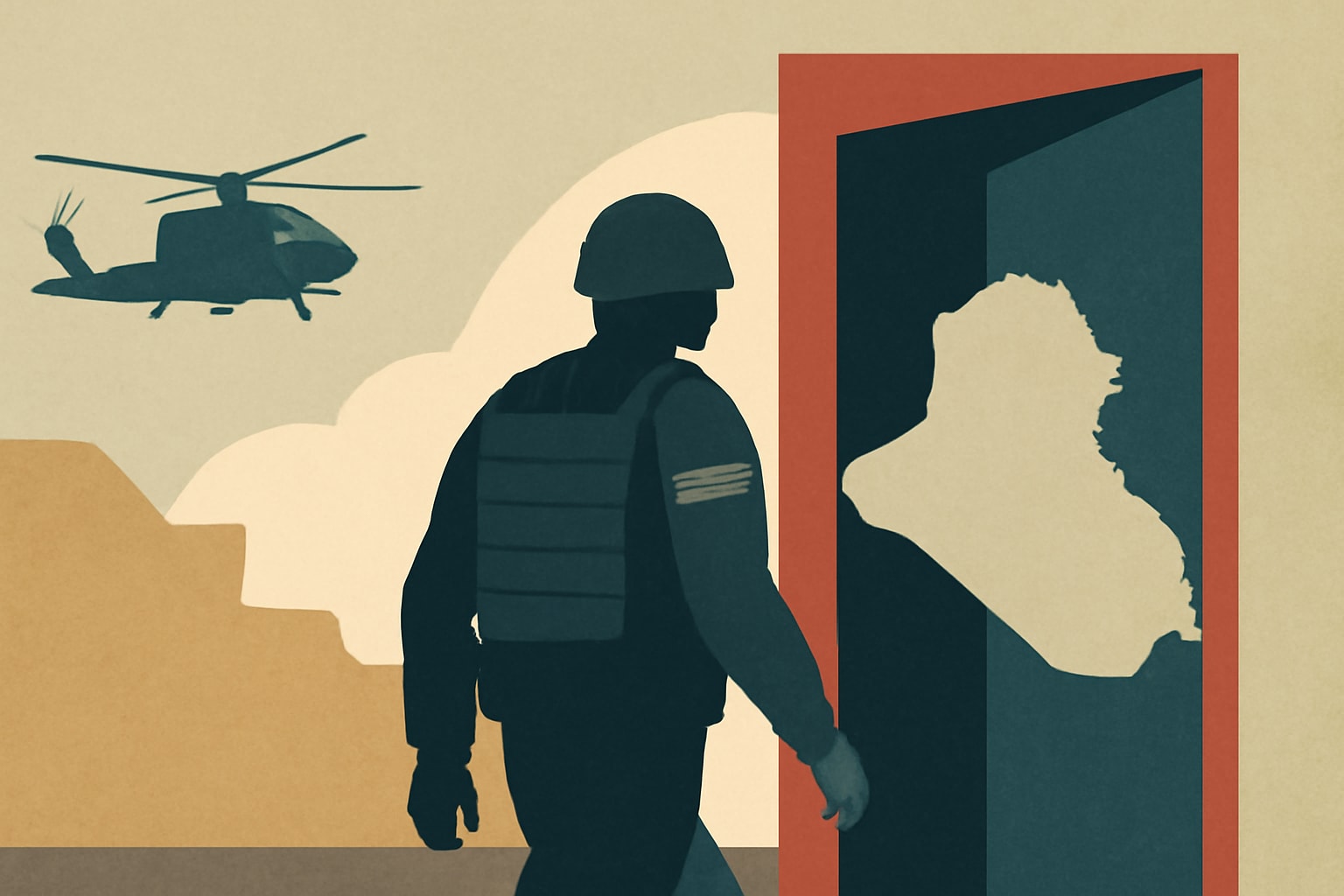
What's Happening
- •U.S. forces are set to leave their last bases in Iraq by Wednesday.
- •This withdrawal ends nearly two decades of military presence in the country.
- •The move has been celebrated by Iran and its regional allies.
Why It Matters
The withdrawal of U.S. forces from Iraq is a pivotal moment that not only affects military strategy but also has direct implications for service members and veterans. As the U.S. reduces its presence, understanding the changing dynamics can help military personnel prepare for future challenges and opportunities in their careers.
What Changes Now
- •U.S. military personnel will no longer be stationed in Iraq as of Wednesday. This change means that service members who were previously assigned to bases in Iraq will be relocated or reassigned to other missions.
- •The focus of U.S. military operations will shift towards other regions, potentially increasing deployments elsewhere. Service members should prepare for possible changes in their assignments and operational focus as the military adjusts its strategy.
- •Military families may experience changes in benefits and support services as the U.S. military realigns its resources. It is important for families to stay updated on any modifications to support programs that may arise from this transition.
What to Watch
- •Monitor announcements from the Department of Defense regarding future deployment strategies. These updates will provide clarity on how the military plans to address security concerns in the Middle East post-withdrawal.
- •Keep an eye on regional developments, particularly any actions taken by Iran or its allies following the U.S. exit. Understanding these dynamics will be crucial for service members and veterans in assessing potential risks.
- •Watch for changes in military training programs that may adapt to the new focus areas. As the military shifts its priorities, training may evolve to prepare personnel for different operational environments.
Get the Daily Briefing
Military and veteran news that actually affects you, in your inbox each morning.
More Context
- •The End of an Era: The impending withdrawal of U.S. forces from Iraq signifies the conclusion of a long military engagement that began in 2003. This decision reflects a broader strategic shift in U.S. foreign policy, moving towards reducing troop levels in conflict zones while potentially allowing Iran to expand its influence in the region.
- •Implications for Service Members: Active duty personnel, particularly those in the Army and Marine Corps, may face changes in deployment patterns as the U.S. reduces its footprint in Iraq. This withdrawal could lead to a reallocation of resources and personnel to other regions, necessitating adjustments in training and readiness for units that were previously focused on the Middle East.
- •Regional Security Concerns: The exit of U.S. forces raises concerns about the power vacuum that may be created, potentially allowing Iran and its proxies to gain more control in Iraq. This shift could destabilize the region further, impacting not only U.S. interests but also the safety of military personnel who may be deployed elsewhere in the Middle East.
- •What Service Members Should Know: Service members should stay informed about the evolving security landscape as the U.S. exits Iraq. Understanding the implications for future deployments and the potential for increased tensions in the region will be crucial for those in the military, especially for those in the Army's 11B Infantry and 68W Medics who may be called to respond to new threats.
Frequently Asked Questions
Does this affect Guard members on Title 10 orders?
Yes, the withdrawal may impact the deployment of National Guard members on Title 10 orders, as the focus shifts to other regions.
Will my BAH change if I move duty stations mid-year?
Yes, if you are relocating due to the withdrawal, your Basic Allowance for Housing (BAH) may change based on the new duty station.
The Daily Briefing
Military & veteran news that actually affects you — delivered every morning.
- Pay, benefits & policy changes
- Pentagon decisions that matter
- VA updates for veterans & families
- One email. No spam. Unsubscribe anytime.
Related Stories
- Saving Money as a Military Family: Practical Tips for Quality Living— Military.com
- Meet Axel, the Deaf Rescue Dog Set to Deploy with the Military— Military Times
- Instructor Admits to Gross Negligence in Fatal Shooting at Letterkenny Army Depot— Military Times
- F-16 Crashes in Michigan, Pilot Ejects and Responders Exposed to Chemicals— Military Times