US Military Utilizes Drone Over Mexican Territory to Aid Drug Lord Capture
The recent capture of a drug lord underscores enhanced cooperation between US and Mexican law enforcement.
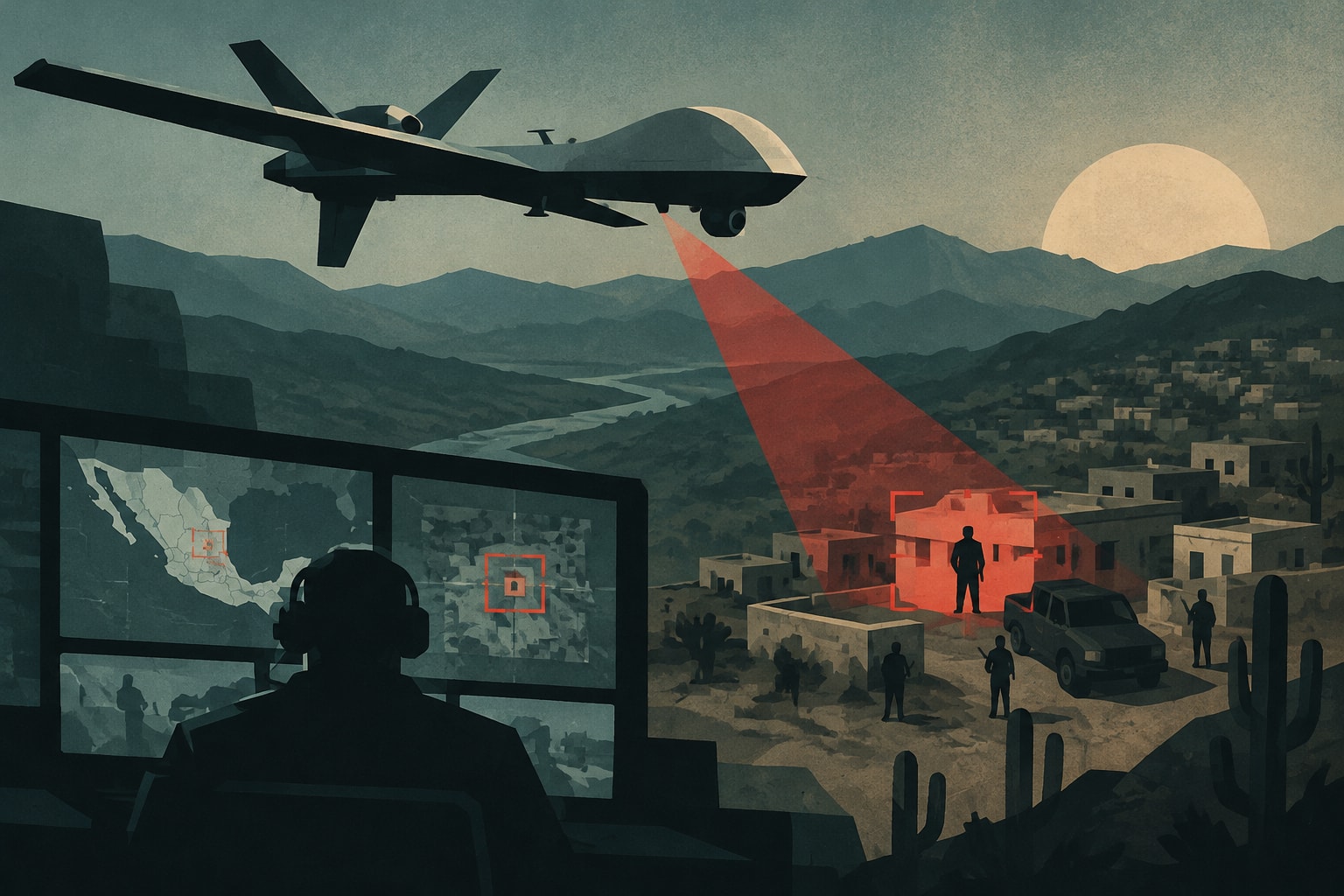
What's Happening
- •The US flew a drone over Mexican territory to assist in capturing drug lord Fausto Isidro Meza Flores.
- •This operation reflects increasing collaboration between US and Mexican law enforcement agencies.
- •The drone surveillance is part of ongoing efforts to combat drug trafficking in the region.
Why It Matters
The operation illustrates the evolving nature of military engagement in domestic law enforcement, particularly regarding drug trafficking. For military and veteran communities, understanding these developments is crucial, as they may influence future operations and resource allocation.
What Changes Now
- •The increased use of drones in law enforcement may lead to new operational guidelines for military personnel. Service members will need to stay informed about the evolving rules of engagement and their implications for domestic operations.
- •There may be a shift in training programs to include more emphasis on surveillance and intelligence operations related to drug enforcement. This change will require service members to adapt their skills to meet new mission requirements.
- •As cooperation between the US and Mexico strengthens, military personnel may be more frequently deployed for cross-border operations. This could affect the availability of units and personnel for other missions.
What to Watch
- •Monitor announcements from the Department of Defense regarding changes in operational policy related to domestic law enforcement. These updates will clarify how military resources will be utilized in future operations.
- •Watch for potential changes in training programs that may be implemented in response to increased drone usage. This will be critical for service members who may need to acquire new skills.
- •Keep an eye on legislative discussions surrounding military involvement in domestic security. These discussions could influence future missions and operational scope.
Get the Daily Briefing
Military and veteran news that actually affects you, in your inbox each morning.
More Context
- •Increased Cooperation Between US and Mexico: The recent detention of Fausto Isidro Meza Flores highlights a significant shift in law enforcement collaboration between the United States and Mexico. Historically, these two nations have faced challenges in coordinating efforts against drug trafficking and organized crime. However, the successful deployment of a US military drone to aid in this operation demonstrates a commitment to working together more effectively. This increased cooperation not only aims to dismantle drug cartels but also to enhance security along the border, which is crucial for both countries.
- •Implications for Military Operations: The use of military drones in domestic law enforcement operations raises important questions about the role of the military in civilian matters. For active-duty personnel, particularly those in intelligence and surveillance roles, this operation may signal a shift in operational focus. Military members may find themselves more involved in cross-border operations, requiring updated training and protocols. This could also lead to changes in how military resources are allocated for domestic security efforts, impacting units stationed near the border.
- •What This Means for Service Members: For service members, particularly those in the National Guard and Reserve components, this operation may affect future mobilizations and deployments. As the US continues to engage in cross-border operations, members may be called upon to assist in intelligence gathering or support roles. This could lead to changes in training requirements and operational readiness, emphasizing the need for versatility among service members. Additionally, those involved in law enforcement or counter-narcotics operations may see a shift in mission parameters.
Frequently Asked Questions
Does this affect Guard members on Title 10 orders?
Yes, Guard members on Title 10 orders may be called to support operations involving cross-border law enforcement efforts.
Will my training change due to these operations?
Yes, training programs may be updated to include new skills related to surveillance and intelligence gathering for drug enforcement.
How will this impact military resources?
Increased cooperation with Mexican law enforcement may lead to a reallocation of military resources to support domestic operations.
The Daily Briefing
Military & veteran news that actually affects you — delivered every morning.
- Pay, benefits & policy changes
- Pentagon decisions that matter
- VA updates for veterans & families
- One email. No spam. Unsubscribe anytime.
Related Stories
- Space Force Launches Satellites for Data Network Backbone— Air & Space Forces Magazine
- F-35 Demo Team Returns to Luke AFB Ahead of 2027 Airshow Season— Air & Space Forces Magazine
- Desert Storm Memorial: A Missed Opportunity to Honor Veterans— Air & Space Forces Magazine
- Converted Fishing Trawlers Proposed to Counter Russian Submarines in the Arctic— Defense News