Desert Storm Memorial: A Missed Opportunity to Honor Veterans
The newly approved Desert Storm memorial in D.C. may fail to capture the full scope of veterans' contributions during the conflict.
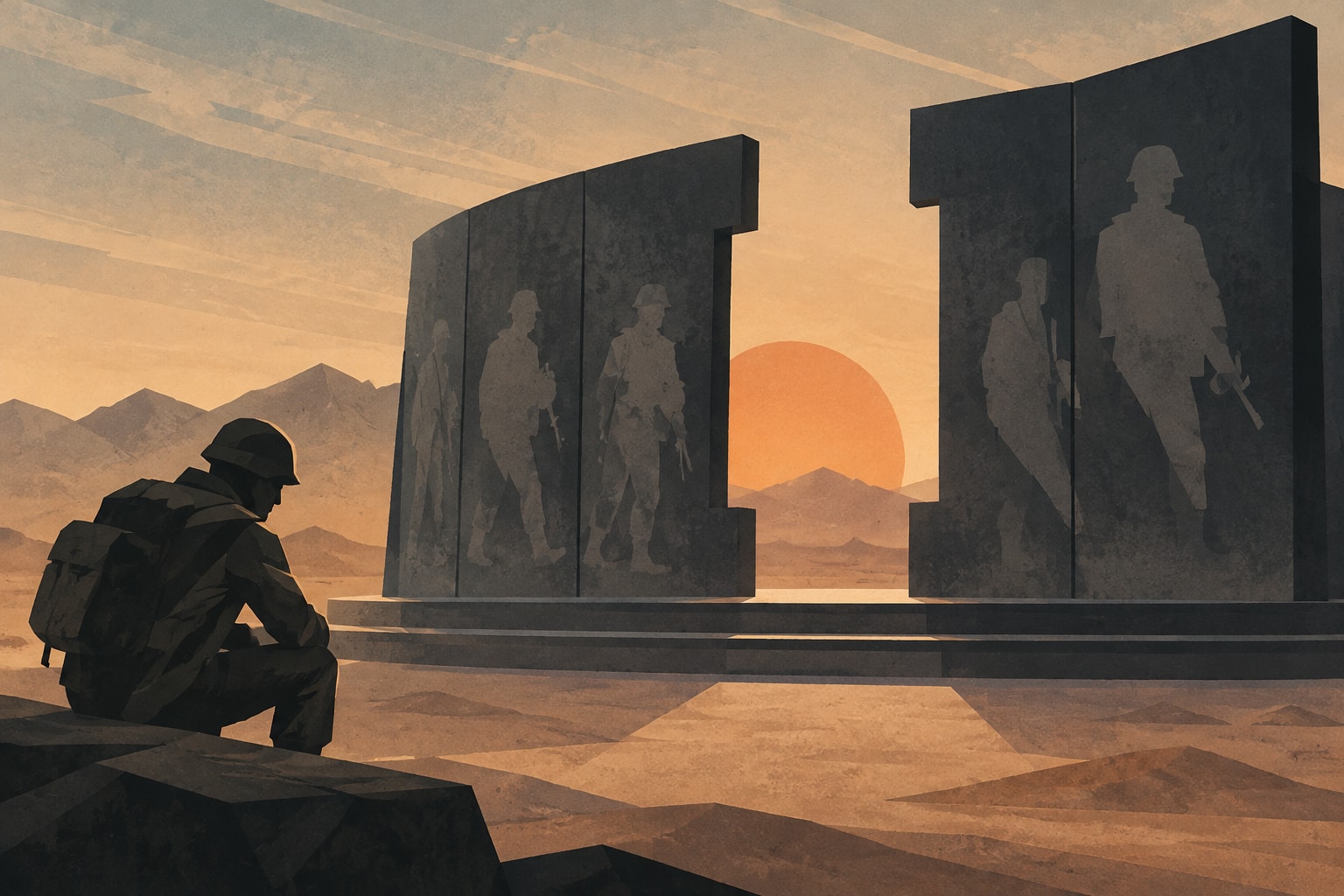
What's Happening
- •A memorial honoring veterans of Operation Desert Storm has been approved for construction in Washington, D.C.
- •The design focuses on the final 100 hours of the conflict, which lasted 1,000 hours in total.
- •Critics argue that the memorial does not adequately represent the diverse contributions of all service members involved.
Why It Matters
The Desert Storm memorial serves as a crucial symbol of recognition for veterans who served during a significant military operation. Its design and execution will influence how future generations understand and honor the contributions of those who fought in this conflict, making it essential for the memorial to reflect the diverse experiences of all service members involved.
What Changes Now
- •The design of the Desert Storm memorial will proceed as planned, but there is an opportunity for veterans to provide input. Engaging with the design committee can help ensure that the memorial honors a wider range of experiences.
- •Veterans organizations may begin advocacy efforts to influence the memorial's final design. This could include campaigns to raise awareness and gather support for a more inclusive representation of service members.
- •Public meetings will be scheduled to discuss the memorial's design and gather feedback from the veteran community. These meetings will be crucial for veterans to voice their perspectives and ensure their contributions are recognized.
What to Watch
- •Upcoming public meetings regarding the memorial's design will be announced in the coming months. These meetings will provide a platform for veterans and families to express their views and suggestions.
- •The timeline for the memorial's construction is set for completion in the next few years. Stakeholders will need to remain engaged to influence any potential changes to the design before it is finalized.
- •Veteran advocacy groups are likely to mobilize efforts to address concerns about the memorial's representation. Their actions will be pivotal in shaping the narrative surrounding the memorial and its significance.
Get the Daily Briefing
Military and veteran news that actually affects you, in your inbox each morning.
More Context
- •Understanding the Memorial's Design: The approved design for the Desert Storm memorial is intended to commemorate the final phase of Operation Desert Storm, specifically the last 100 hours of combat. While the design has received praise for its artistic execution, many veterans and military historians believe it fails to encapsulate the broader narrative of the conflict. Operation Desert Storm was a coalition effort involving various branches of the military, and its success relied on the contributions of countless service members, not just those involved in the final assault. This narrow focus raises questions about how well the memorial will resonate with veterans who served in different capacities throughout the operation.
- •Veteran Perspectives on the Memorial: For veterans of Operation Desert Storm, the memorial represents a significant opportunity for recognition but also a potential oversight of their experiences. Many service members, including Air Force pilots and Army ground troops, played critical roles throughout the entire operation, not just in its concluding moments. The memorial's design could inadvertently marginalize the contributions of those who served in support roles or during earlier phases of the conflict. Veterans have expressed a desire for a memorial that honors the collective effort and sacrifices made by all service members, which may not be fully realized in the current design.
- •What Changes Now for Veterans and Families: As the memorial progresses, veterans and their families may want to engage with the planning process to ensure their stories are represented. This can involve attending public meetings or providing feedback to the design committee. Additionally, veterans organizations may advocate for adjustments to the design to better reflect the diverse experiences of those who served. The memorial's construction timeline is set for completion in the next few years, which gives stakeholders time to voice their concerns and suggestions.
- •Looking Ahead: Key Considerations: Moving forward, it will be essential to monitor how the memorial's design evolves based on veteran feedback. Stakeholders, including veteran advocacy groups, will likely push for modifications that honor a broader spectrum of service. Furthermore, as the memorial's unveiling date approaches, discussions about its significance and the narratives it conveys will become increasingly relevant. The memorial's impact on community engagement and veteran recognition will also be a focal point for future events and ceremonies.
Frequently Asked Questions
Will the Desert Storm memorial honor all veterans who served?
The current design focuses on the last 100 hours of the conflict, which may not fully represent all veterans' contributions.
How can I provide feedback on the memorial's design?
Veterans can attend public meetings and engage with the design committee to share their perspectives and suggestions.
What is the timeline for the memorial's construction?
The memorial is expected to be completed in the next few years, with opportunities for input from the veteran community.
The Daily Briefing
Military & veteran news that actually affects you — delivered every morning.
- Pay, benefits & policy changes
- Pentagon decisions that matter
- VA updates for veterans & families
- One email. No spam. Unsubscribe anytime.
Related Stories
- Air Force Launches New AI Strategy Across 15 Mission Areas— Air & Space Forces Magazine
- Democrats Push to Remove US-Israel Tech Measure from Defense Bill— Military Times
- AFRICOM to Test Autonomous Cessna for Casualty Evacuation in December— Air & Space Forces Magazine
- Converted Fishing Trawlers Proposed to Counter Russian Submarines in the Arctic— Defense News