AFRICOM to Test Autonomous Cessna for Casualty Evacuation in December
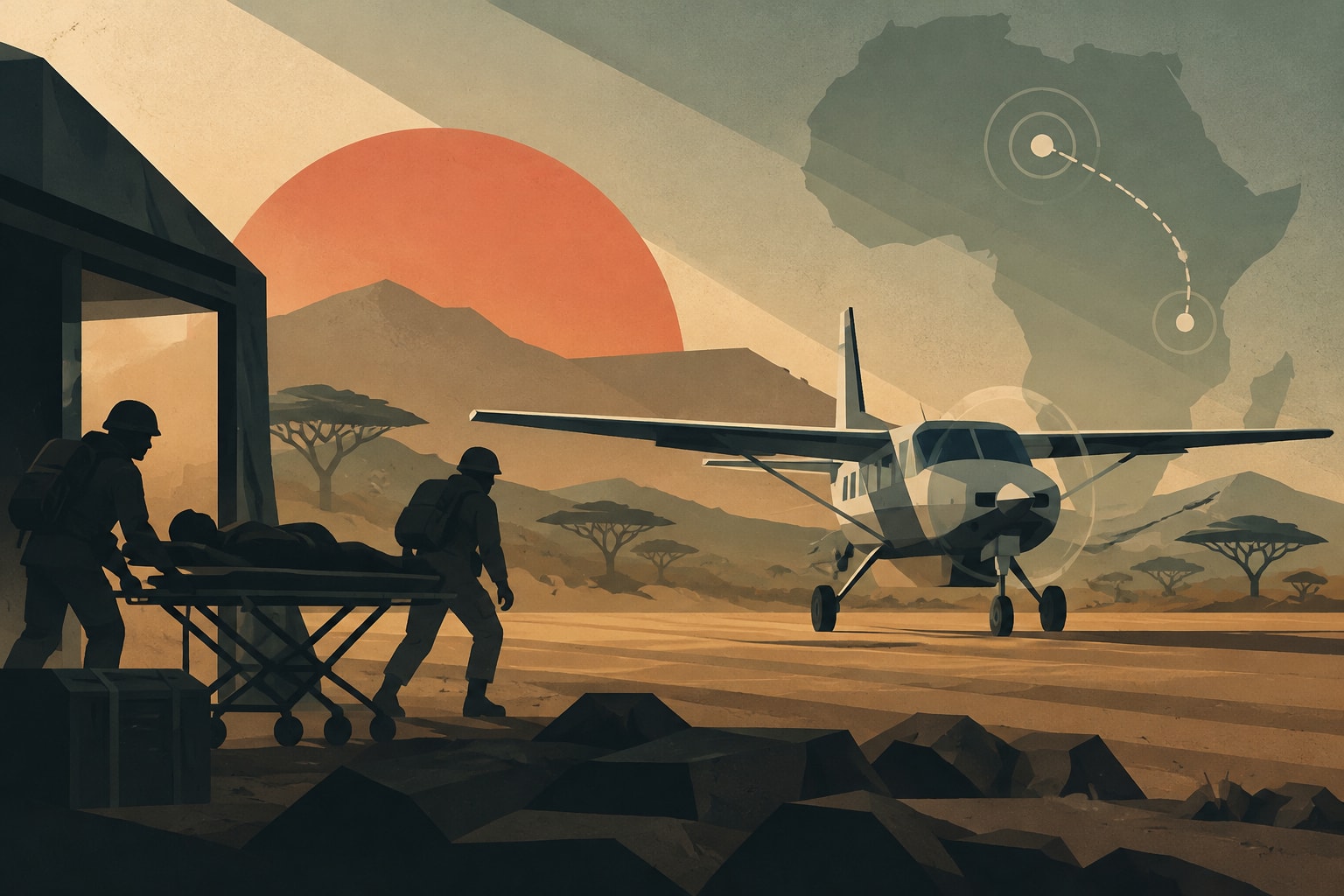
U.S. Africa Command will evaluate a small autonomous aircraft for casualty evacuation in a December demonstration in Morocco.
What's Happening
- •U.S. Africa Command will conduct a demonstration of an autonomous Cessna aircraft in December 2026.
- •The demonstration will take place in Morocco and will focus on casualty evacuation from austere locations.
- •Merlin, an autonomous aviation firm, has been awarded a $500,000 contract for this mission.
Why It Matters
This demonstration represents a significant step forward in military medical evacuation capabilities. For service members and veterans, advancements in technology like autonomous aircraft can lead to improved survival rates and better overall care in combat situations, which is a critical concern for the military community.
What Changes Now
- •The demonstration will test the effectiveness of an autonomous aircraft for casualty evacuation. This could lead to new protocols for emergency medical response in the field, impacting how service members are trained and equipped.
- •Merlin's contract with AFRICOM signifies a commitment to integrating advanced technology into military operations. This may result in increased funding and support for similar projects in the future.
- •If the demonstration is successful, it could pave the way for wider adoption of autonomous vehicles in military logistics. Service members may need to adapt to new systems and protocols that incorporate these technologies.
What to Watch
- •The results of the December demonstration will be crucial in determining the future use of autonomous aircraft. Military leaders will evaluate the effectiveness and safety of the technology in real-world scenarios.
- •Feedback from participating service members will be collected to assess the practical implications of using autonomous aircraft for casualty evacuation. This input will be vital for shaping future training and operational guidelines.
- •Potential follow-up tests or expanded trials may be announced based on the outcomes of the initial demonstration. Stakeholders should remain engaged with AFRICOM for updates on further developments.
Get the Daily Briefing
Military and veteran news that actually affects you, in your inbox each morning.
More Context
- •Overview of the Demonstration: The upcoming demonstration by U.S. Africa Command (AFRICOM) aims to explore the capabilities of an autonomous Cessna aircraft for casualty evacuation. Scheduled for December 2026 in Morocco, this test will assess how effectively the aircraft can operate in challenging environments, potentially revolutionizing how medical evacuations are conducted in remote areas. The use of autonomous technology in military operations is increasingly seen as a way to enhance efficiency and safety, especially in situations where traditional evacuation methods may be hindered by terrain or enemy activity.
- •Implications for Military Operations: The successful implementation of autonomous aircraft for casualty evacuation could significantly impact military operations, particularly in regions with limited access. For service members, this means faster response times for medical emergencies, which can be crucial in combat situations. Additionally, the use of such technology could reduce the risk to personnel involved in evacuation missions, allowing for more strategic deployment of resources and personnel in the field.
- •Who Will Be Affected?: Active-duty service members, particularly those in combat roles such as infantry (11B) and medics (68W), will be directly affected by the outcomes of this demonstration. If successful, the autonomous Cessna could become a standard tool for casualty evacuation, enhancing the capabilities of these personnel during missions. Furthermore, Reserve Component members who may be called to assist in operations could also benefit from the improved evacuation processes that this technology promises.
- •Next Steps and Monitoring: As the demonstration approaches, military leaders and technology developers will closely monitor the results to determine the viability of integrating autonomous aircraft into regular operations. Stakeholders should be prepared for potential changes in evacuation protocols based on the findings. Additionally, service members should stay informed about updates from AFRICOM regarding the outcomes of the test and any subsequent training or operational changes that may arise.
Frequently Asked Questions
Will this technology be available for Guard members?
If the demonstration proves successful, there is potential for this technology to be utilized by Guard members during state and federal missions, enhancing their operational capabilities.
How will this affect casualty evacuation procedures?
The integration of autonomous aircraft could streamline evacuation processes, allowing for quicker response times and potentially saving more lives in combat situations.
What are the next steps after the demonstration?
Following the demonstration, AFRICOM will analyze the results and may implement new protocols or training based on the effectiveness of the autonomous aircraft.
The Daily Briefing
Military & veteran news that actually affects you — delivered every morning.
- Pay, benefits & policy changes
- Pentagon decisions that matter
- VA updates for veterans & families
- One email. No spam. Unsubscribe anytime.
Related Stories
- Air Force Launches New AI Strategy Across 15 Mission Areas— Air & Space Forces Magazine
- Democrats Push to Remove US-Israel Tech Measure from Defense Bill— Military Times
- NORAD F-16s Conduct Homeland Defense Mission in Alaska's Aleutian Islands— Air & Space Forces Magazine
- Hasty U.S. Exit from Europe Could Drive Allies Away from American Arms— Defense News