Ranger School Alters Men's Physiology More Than Women's, Study Finds
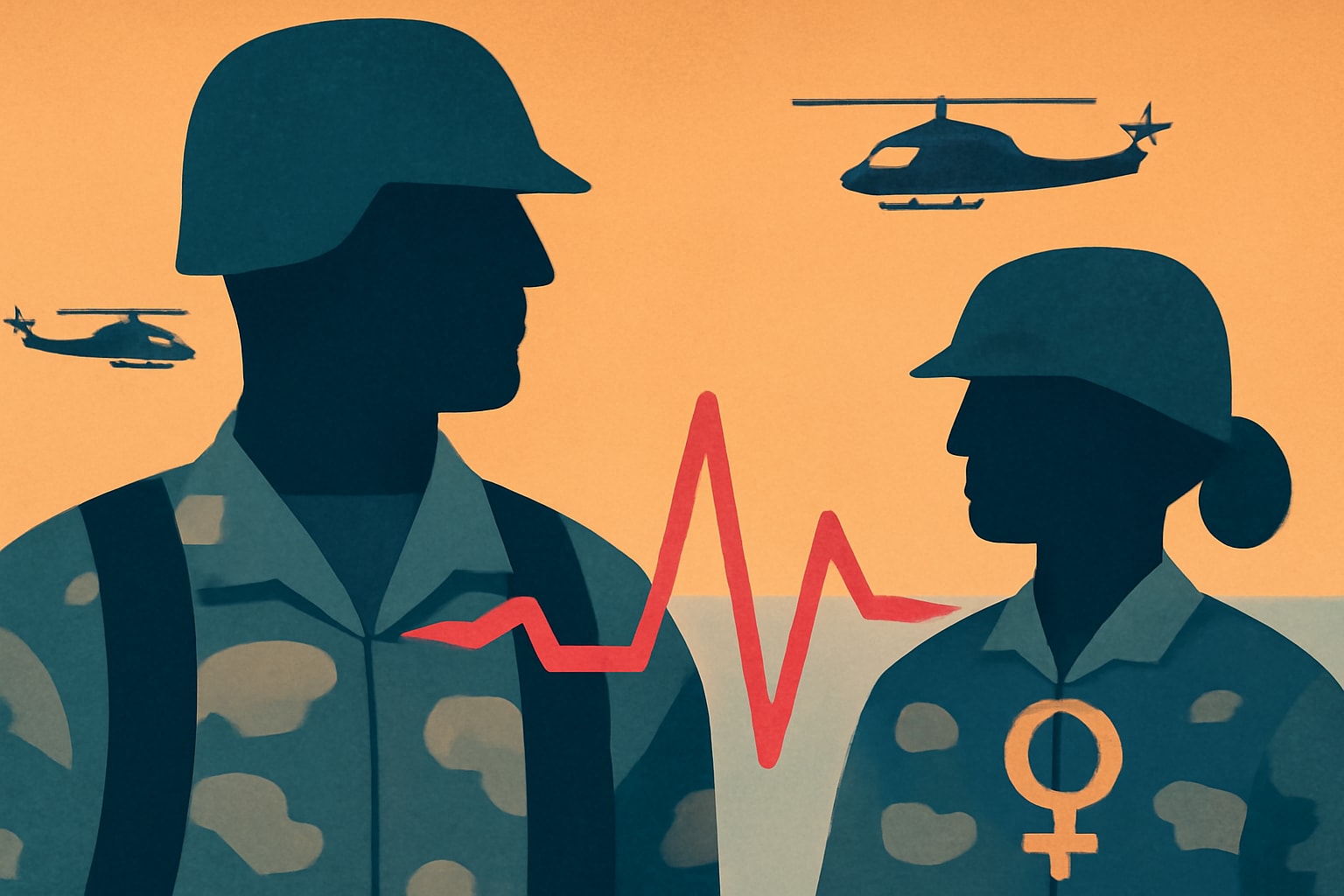
A new study reveals significant differences in how Ranger School affects the physiology of men compared to women.
What's Happening
- •A study published this month tracked hormone levels and body composition of Ranger School attendees.
- •Researchers found that the physiological changes in men were more pronounced than in women.
- •The findings may influence future training protocols and assessments for Ranger School.
Why It Matters
Understanding the physiological differences highlighted by this study is crucial for military training and readiness. As the Army continues to adapt its training programs, these insights can help ensure that all soldiers, regardless of gender, are adequately prepared for the challenges of Ranger School and other demanding assignments.
What Changes Now
- •The Army may revise training protocols based on the study's findings. This change is significant as it aims to optimize training effectiveness for both male and female soldiers.
- •Future Ranger School classes might implement gender-specific training methods. This could lead to improved preparation and performance for all candidates.
- •Increased focus on physiological assessments may become standard practice. This will ensure that training regimens are tailored to the specific needs of soldiers.
What to Watch
- •Look for announcements from the Army regarding changes to Ranger School training protocols. These updates will provide insight into how the findings will be implemented in future classes.
- •Monitor discussions within military leadership about gender-specific training approaches. These conversations will shape the future of training for all soldiers.
- •Upcoming reports on the effectiveness of revised training methods will be crucial. These evaluations will help determine the impact of the study on soldier readiness.
Get the Daily Briefing
Military and veteran news that actually affects you, in your inbox each morning.
More Context
- •Study Overview: The recent study conducted on participants of the U.S. Army's Ranger School focused on tracking various physiological markers, including hormone levels, blood markers, and body composition changes over the course of the rigorous training program. Researchers aimed to understand how these factors differ between male and female soldiers as they undergo the same demanding training regimen, which is known for its physical and mental challenges.
- •Implications for Training: The findings of this study could lead to significant changes in how the Army approaches training for Ranger School. With evidence suggesting that men's physiology is altered more extensively than women's during this training, it may prompt reevaluation of training protocols to better accommodate the physiological differences between genders. This could enhance the effectiveness of training and ensure that all candidates are adequately prepared for the demands of the course.
- •Who is Affected?: Active duty soldiers, particularly those in combat arms roles such as infantry (11B), armor (19K), and special operations forces, are directly impacted by these findings. Additionally, female soldiers aspiring to attend Ranger School will also be affected, as the study highlights the need for tailored training approaches that consider physiological differences. Understanding these dynamics is crucial for leaders and trainers who are responsible for preparing soldiers for this elite course.
- •Future Considerations: As the Army evaluates the implications of this study, it will be important to monitor how training protocols evolve in response to these findings. Future iterations of Ranger School may incorporate more gender-specific training methods to optimize performance and readiness. This could involve adjustments in physical training regimens, nutritional support, and recovery strategies tailored to the physiological responses observed in both male and female participants.
Frequently Asked Questions
Does this affect Guard members on Title 10 orders?
Yes, any soldier attending Ranger School, including those on Title 10 orders, will be subject to these findings.
Will my BAH change if I move duty stations mid-year?
Your Basic Allowance for Housing (BAH) may change based on your new duty station's rates, and you should update your information on milConnect.
Veteran Take
For those who've served, the physical and mental demands of training like Ranger School are well understood. This study highlights the importance of recognizing physiological differences, which can help tailor training programs to better prepare all soldiers, regardless of gender. Ensuring that every service member can meet the rigorous challenges ahead is essential for maintaining our military's effectiveness and readiness.
The Daily Briefing
Military & veteran news that actually affects you — delivered every morning.
- Pay, benefits & policy changes
- Pentagon decisions that matter
- VA updates for veterans & families
- One email. No spam. Unsubscribe anytime.
Related Stories
- FEDVIP Dental Premiums to Rise 1%, Vision Premiums by 1.6% for 2027— Military.com
- Pentagon Threatens Universities Over Foreign Ties, Considers Audits— DefenseScoop
- Coast Guard Advances Zero Trust Cybersecurity Strategy by 2027— Federal News Network
- 3rd Battalion, 75th Ranger Regiment Named Best Squad at AUSA 2026— Army Times