US Withdraws Combat Troops from Nigeria After Counterterrorism Mission
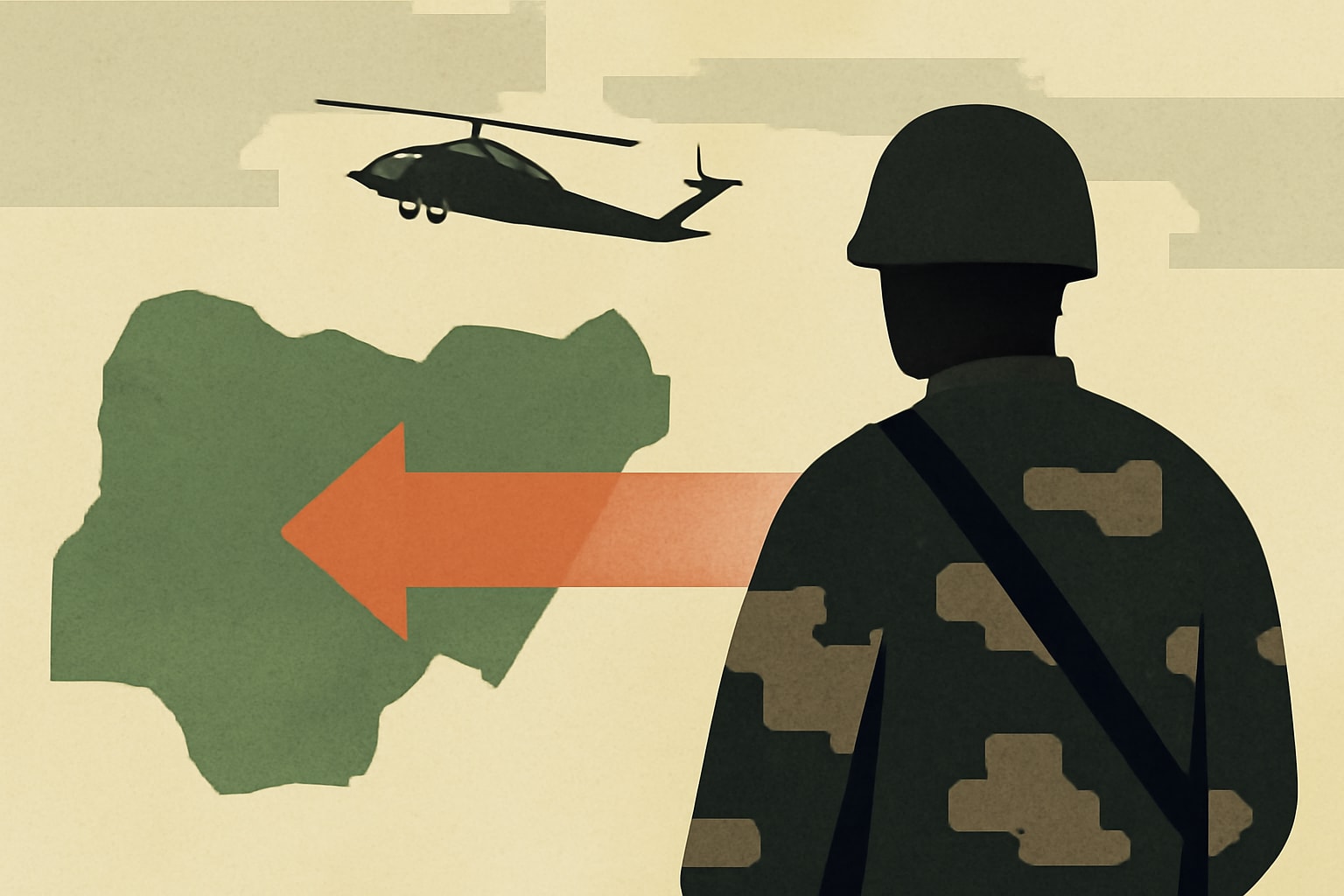
The withdrawal of approximately 200 US service members from Nigeria marks a significant shift in counterterrorism efforts in the region.
What's Happening
- •The US has withdrawn roughly 200 service members from Nigeria.
- •These troops were deployed earlier this year to train Nigerian forces.
- •The withdrawal follows the completion of their counterterrorism mission.
Why It Matters
The withdrawal of US combat troops from Nigeria is significant as it reflects a strategic shift in US military engagement in Africa. For service members and veterans, understanding these changes is crucial as it affects future deployments, training missions, and the overall security landscape in the region.
What Changes Now
- •The US has officially withdrawn combat troops from Nigeria. This means that the Nigerian military will need to operate independently without the direct support of US forces.
- •Service members who were part of the training mission will be reassigned. This could lead to changes in their operational roles and responsibilities as the US adjusts its military strategy.
- •Military families with members stationed in Nigeria may face relocations. They should prepare for potential changes in their support systems and housing arrangements.
What to Watch
- •Monitor the performance of Nigerian forces in counterterrorism operations. Their effectiveness will determine if further US assistance is warranted in the future.
- •Watch for announcements from the US Department of Defense regarding future military engagements in Africa. These decisions will impact service members' deployment opportunities and training missions.
- •Keep an eye on regional security developments in West Africa. The rise or fall of terrorist activities could influence US military policy in the area.
Get the Daily Briefing
Military and veteran news that actually affects you, in your inbox each morning.
More Context
- •Background on the Deployment: Earlier this year, around 200 American service members were deployed to Nigeria as part of a mission to assist in training local forces to combat terrorism. This deployment was part of a broader strategy to bolster security in the region, particularly in the face of threats from groups like Boko Haram and ISIS-affiliated factions. The US military's presence aimed to enhance the capabilities of Nigerian forces through training and support, reflecting a commitment to regional stability.
- •Implications of the Withdrawal: The withdrawal of US troops from Nigeria signals a shift in the US approach to counterterrorism in West Africa. This change may lead to increased pressure on Nigerian forces to independently handle security challenges without direct US military support. The implications of this withdrawal could affect the operational readiness of Nigerian troops, potentially impacting their effectiveness against terrorist threats in the region.
- •Who Is Affected and What Changes Now: Active duty personnel, particularly those in training roles such as 35M (Human Intelligence Collector) and 11B (Infantryman), may see changes in their deployment patterns as the US reassesses its military footprint in Africa. Additionally, service members involved in logistics and support roles may need to adapt to new operational requirements as the US shifts focus. This withdrawal could also affect military families, particularly those who have been stationed in Nigeria, as they may face relocations or changes in their support systems.
- •What to Watch Moving Forward: In the coming months, it will be crucial to monitor how the Nigerian military adapts to the absence of US support. The effectiveness of their operations against terrorist groups will be a key indicator of whether additional assistance is needed. Additionally, the US Department of Defense may release further guidance on future deployments and training missions in Africa, which could impact service members' roles and responsibilities.
Frequently Asked Questions
Does this affect Guard members on Title 10 orders?
Yes, Guard members on Title 10 orders may see changes in their assignments as the US reevaluates its military presence in Africa.
Will my BAH change if I move duty stations mid-year?
Your Basic Allowance for Housing (BAH) may change depending on the new duty station's location and housing costs.
Veteran Take
For those who've served, the withdrawal of US combat troops from Nigeria is a reminder of the ever-changing nature of military engagement and the complexities of global security. Veterans navigating this will feel the impact on future operations and may question what this means for ongoing counterterrorism efforts in regions where we once had a presence. It's crucial for us to stay informed about these shifts, as they directly affect our brothers and sisters still in uniform and the stability of the areas we've fought to secure.
The Daily Briefing
Military & veteran news that actually affects you — delivered every morning.
- Pay, benefits & policy changes
- Pentagon decisions that matter
- VA updates for veterans & families
- One email. No spam. Unsubscribe anytime.
Related Stories
- Watchdog Report Reveals Security Flaws in Pentagon Wireless Services— Task & Purpose
- Marine Corps Invests $19.25 Million in Electric Seaglider Technology— Military.com
- 3rd Battalion, 75th Ranger Regiment Named Best Squad at AUSA 2026— Army Times
- US Army Hackathon Promotes Collaboration on Autonomous Systems— Military Times