US Army Tests Drones and 3D Printers at Balikatan Drill in the Philippines
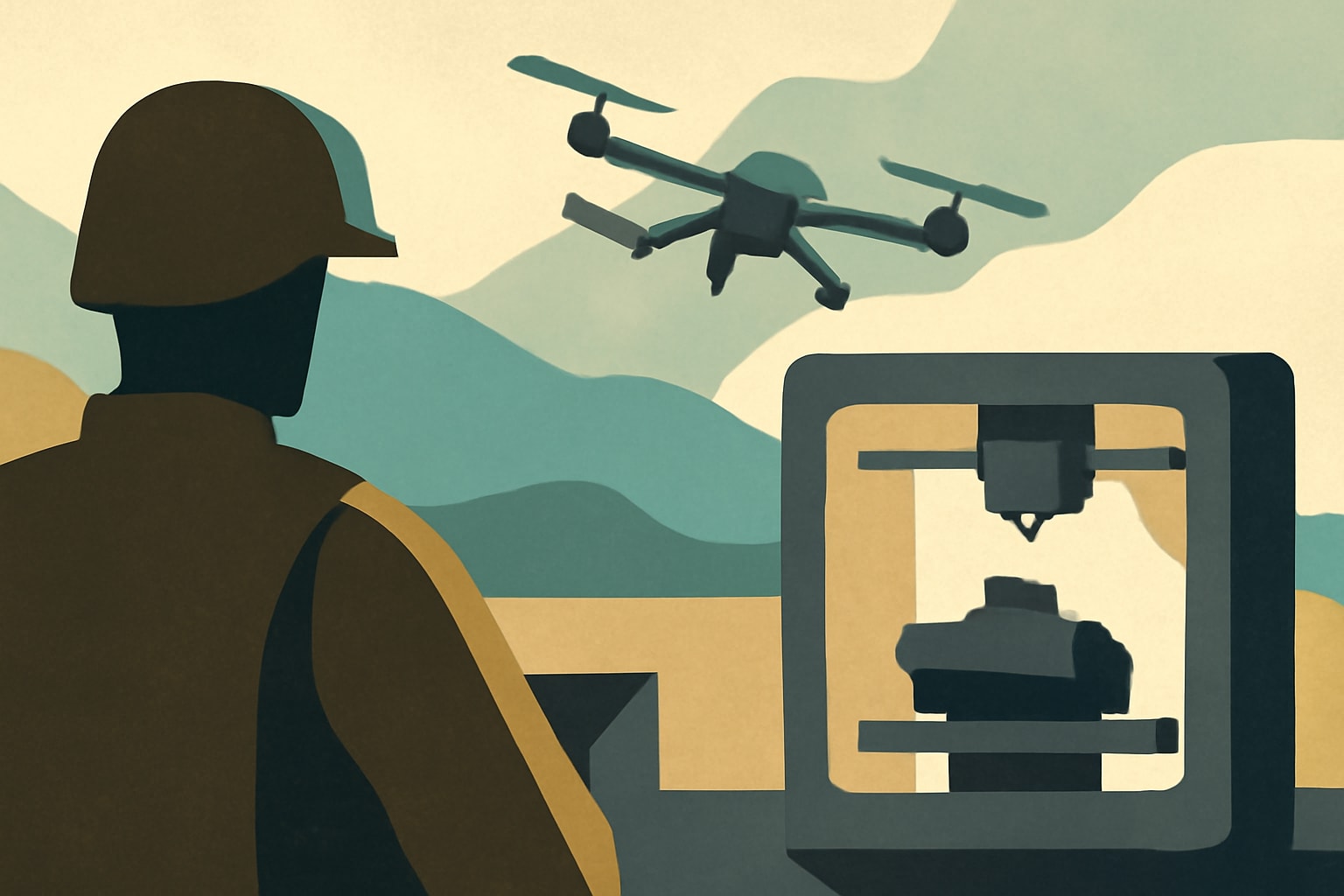
The US Army showcased innovative technologies, including drones and 3D printing, during the Balikatan exercise aimed at enhancing military readiness.
What's Happening
- •The US Army is testing new drones and 3D printers at the Balikatan military exercise in the Philippines.
- •The exercise aims to enhance interoperability between US and Philippine forces.
- •A containerized solar-panel microgrid is also being tested to provide a quieter power source.
Why It Matters
The testing of new technologies during the Balikatan exercise highlights the US Army's commitment to modernization in an evolving military landscape. For active-duty service members and defense stakeholders, these advancements could significantly enhance operational capabilities and readiness in future conflicts.
What Changes Now
- •The Army's integration of drones and 3D printing technology is now being tested in real-world scenarios. This change allows for immediate feedback and adjustments to improve these technologies for future deployments.
- •The introduction of a solar-panel microgrid provides a new energy solution for military operations. This shift not only reduces noise pollution but also promotes sustainability in military practices.
- •Enhanced interoperability with Philippine forces is being prioritized through these exercises. This focus on collaboration could lead to stronger alliances and improved joint operational capabilities.
What to Watch
- •The results of the drone and 3D printing tests will be analyzed post-exercise. These findings could influence future procurement decisions and technology adoption within the Army.
- •Future Balikatan drills may incorporate more advanced technologies based on this year's feedback. This could set a precedent for how the Army conducts joint exercises in the future.
- •The Army's commitment to renewable energy solutions will be evaluated as part of its long-term operational strategy. Decisions made in this area could impact military infrastructure and energy policies moving forward.
Get the Daily Briefing
Military and veteran news that actually affects you, in your inbox each morning.
More Context
- •Innovative Technologies on Display: During the Balikatan exercise, the US Army is showcasing a range of advanced technologies aimed at improving military operations. The introduction of drones is particularly significant as they enhance reconnaissance and operational capabilities in diverse environments. Additionally, the use of 3D printing technology allows for rapid prototyping and on-site production of necessary equipment, which can be crucial in combat situations. These innovations reflect the Army's commitment to modernization and adapting to the evolving landscape of warfare.
- •The Role of Renewable Energy: Another critical aspect of the Balikatan drill is the testing of a containerized solar-panel microgrid. This technology is designed to provide a sustainable and quieter alternative to traditional diesel generators, which are often loud and can compromise operational security. By utilizing solar energy, the Army not only reduces its carbon footprint but also enhances its energy independence in remote locations. This shift towards renewable energy sources aligns with broader military goals of sustainability and efficiency.
- •Implications for Future Operations: The technologies being tested at Balikatan could have significant implications for future military operations. The integration of drones and 3D printing into standard practices may streamline logistics and enhance mission effectiveness. As these technologies are refined and adopted, they could lead to more agile and responsive military units capable of operating in a variety of conditions. Furthermore, the emphasis on renewable energy solutions may influence future military infrastructure and operational planning.
Veteran Take
For those who've served, seeing the Army embrace new technologies like drones and 3D printing is both exciting and reassuring. It shows a commitment to staying ahead in a rapidly changing battlefield, which is crucial for the safety of our troops and the success of missions. Veterans navigating this landscape understand that modernization isn't just about gadgets; it's about ensuring that those who serve today have the best tools to protect themselves and accomplish their objectives.
The Daily Briefing
Military & veteran news that actually affects you — delivered every morning.
- Pay, benefits & policy changes
- Pentagon decisions that matter
- VA updates for veterans & families
- One email. No spam. Unsubscribe anytime.
Related Stories
- Air Force Successfully Tests New Sentinel ICBM Reentry Vehicle— Air & Space Forces Magazine
- B-2 Stealth Bomber Returns to Whiteman AFB After Depot Maintenance— Air & Space Forces Magazine
- Air Force Plans to Introduce Autonomous Cargo Drones for Logistics— Air & Space Forces Magazine
- Lawmakers Push for Bipartisan Solution to Golden Dome’s Funding Crunch— Air & Space Forces Magazine