US Army Tests Counter-Drone Technology at Mexican Border
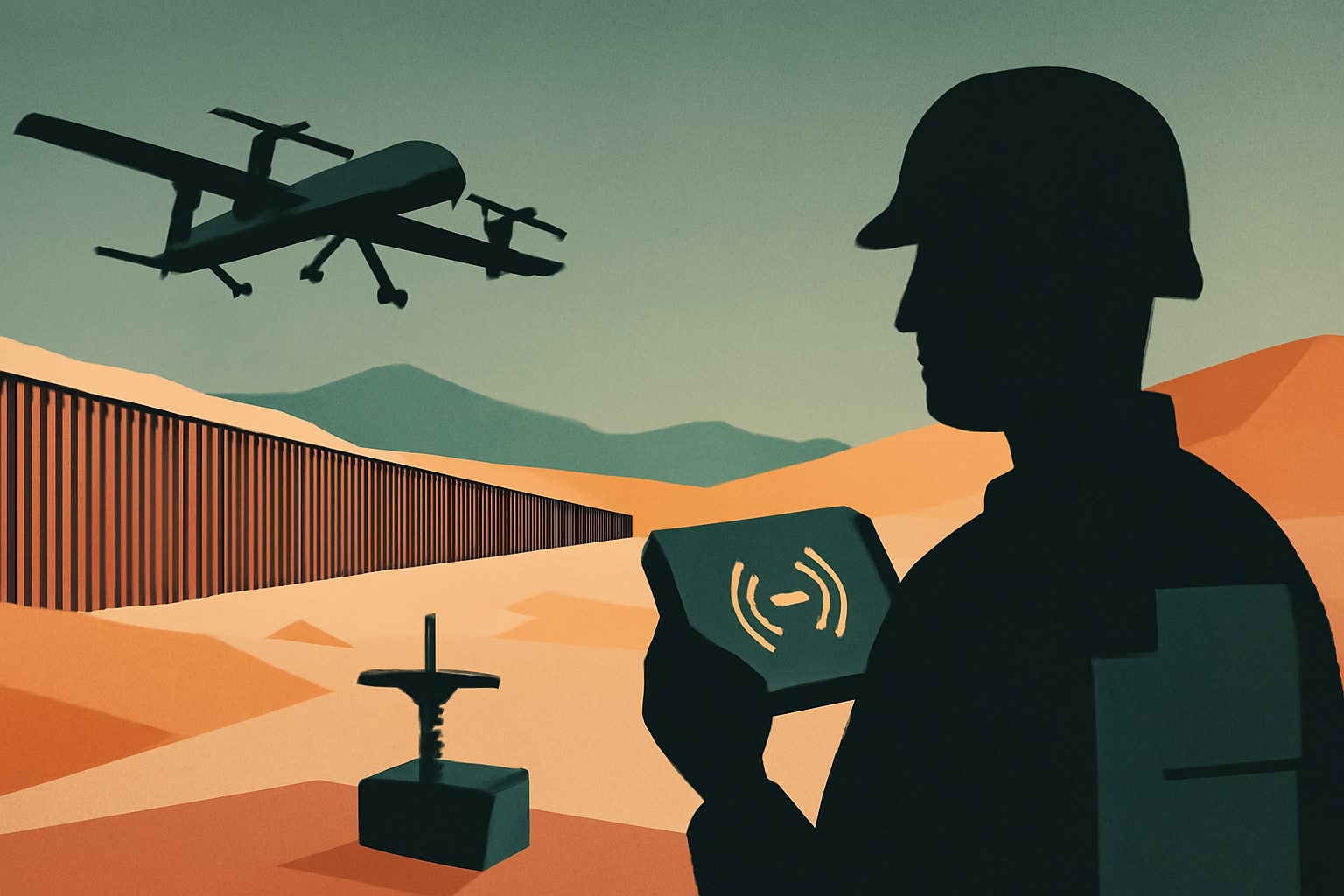
The Army is enhancing its defenses against escalating drone threats from drug cartels.
What's Happening
- •The US Army is conducting tests of counter-drone technology at the Mexican border.
- •This initiative aims to address the increasing use of drones by drug cartels.
- •The tests are part of broader efforts to enhance border security and operational readiness.
Why It Matters
The increasing use of drones by drug cartels represents a significant threat to national security and border integrity. For military personnel, particularly those stationed along the border, understanding and adapting to these threats is crucial for maintaining operational readiness and safety.
What Changes Now
- •The Army is implementing new counter-drone technologies at the border. This will enhance the capabilities of military police and intelligence personnel in addressing cartel threats.
- •Training programs will be updated to include counter-drone tactics. Service members will need to familiarize themselves with these new protocols to effectively respond to drone-related incidents.
- •Operational procedures for border security will be adjusted based on test outcomes. These changes aim to improve the overall effectiveness of border operations against cartel activities.
What to Watch
- •Watch for updates on the effectiveness of the counter-drone technology tests. The Army will release findings that could influence future military strategies and funding.
- •Monitor the timeline for the potential deployment of these technologies. Decisions made by military leadership in the coming months will determine resource allocation for counter-drone initiatives.
- •Keep an eye on legislative discussions regarding border security funding. The outcomes of these discussions will impact the Army's ability to implement new technologies and training.
Get the Daily Briefing
Military and veteran news that actually affects you, in your inbox each morning.
More Context
- •Growing Threat of Cartel Drones: The rise of drone usage by drug cartels has posed new challenges for border security. Cartels are increasingly employing drones for surveillance and smuggling operations, making it imperative for the Army to develop effective countermeasures. This trend not only threatens national security but also complicates the operational landscape for military personnel stationed at the border.
- •Details of the Counter-Drone Tests: The Army's counter-drone technology tests involve various systems designed to detect and neutralize unauthorized drones. These systems are being evaluated for their effectiveness in real-world scenarios, particularly in areas where cartel activity is prevalent. The tests will help refine tactics and technologies that can be deployed to protect both military and civilian assets along the border.
- •Implications for Service Members: Active duty soldiers, particularly those in military police and intelligence roles, will likely see changes in their operational protocols as a result of these tests. The integration of counter-drone technology could lead to enhanced training programs focused on drone detection and response. This shift aims to ensure that service members are well-prepared to handle the evolving threats posed by cartel operations.
- •Future Developments to Monitor: As the Army continues its testing, service members should be aware of upcoming evaluations and potential deployments of these technologies. The timeline for full implementation remains uncertain, but ongoing assessments will provide insights into the effectiveness of these countermeasures. Stakeholders, including military leadership and lawmakers, will be closely monitoring progress to determine future funding and resource allocation.
Frequently Asked Questions
How will these tests affect my deployment?
The tests may influence future deployment strategies, particularly for military police units stationed at the border.
What training will be provided for counter-drone operations?
Updated training programs will be offered to familiarize service members with new counter-drone technologies and tactics.
Are these changes permanent?
The changes will depend on the outcomes of the tests and subsequent evaluations by military leadership.
The Daily Briefing
Military & veteran news that actually affects you — delivered every morning.
- Pay, benefits & policy changes
- Pentagon decisions that matter
- VA updates for veterans & families
- One email. No spam. Unsubscribe anytime.
Related Stories
- Space Force Completes Transfer of First 250 Part-Time Guardians— Federal News Network
- B-21 Raider Production and Testing Accelerate Ahead of 2027 Rollout— Air & Space Forces Magazine
- EU Identifies Five Key Defense Areas for Common Spending— Defense News
- Northcom to Conduct First Urban Counter-Drone Demonstration— DefenseScoop