US Army Awards Contracts for On-Base Microreactors to Boost Energy Security
The Army's $2.2 billion initiative aims to implement microreactors at installations for reliable energy.
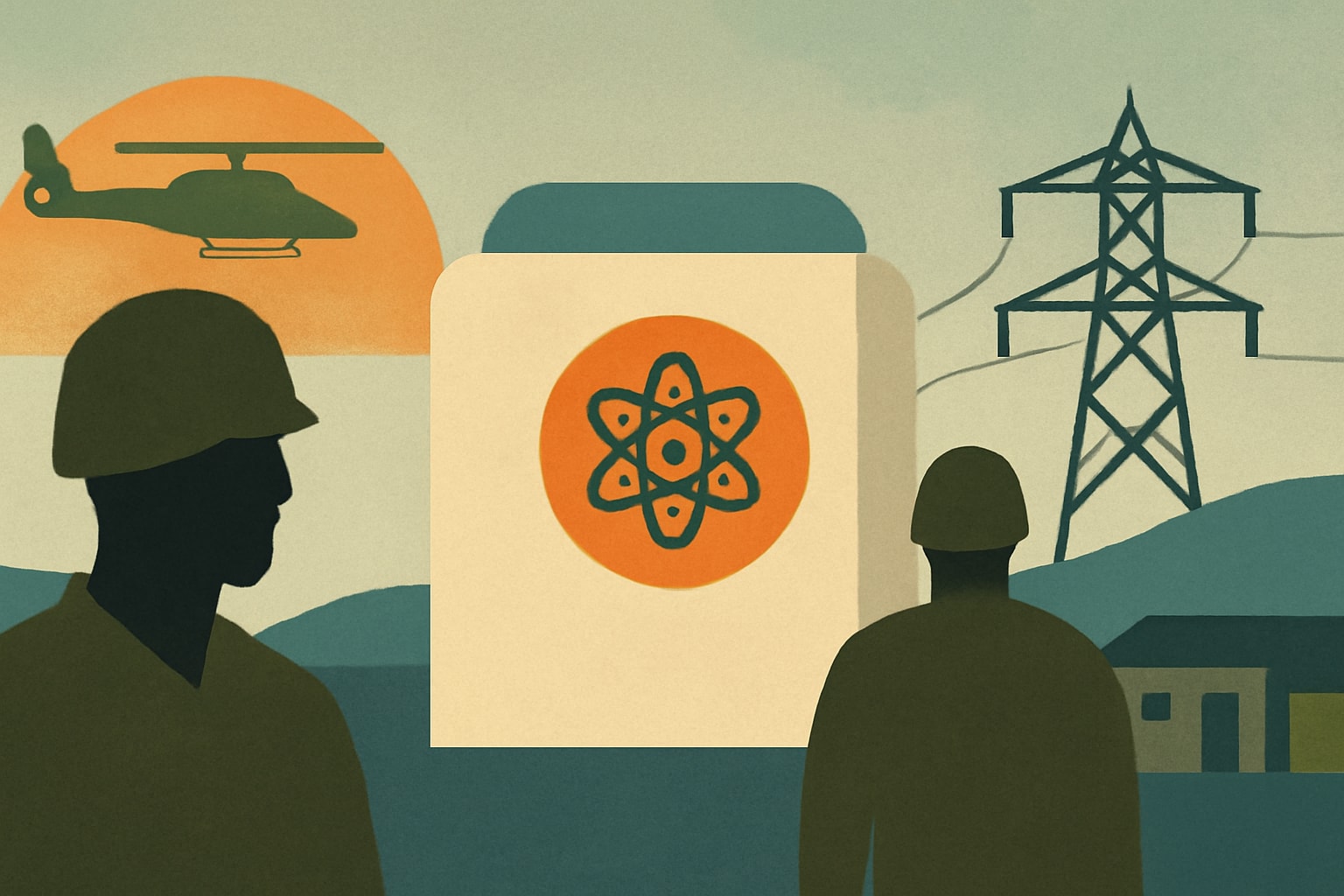
What's Happening
- •The US Army has awarded contracts worth up to $2.2 billion to five firms for microreactor development.
- •This initiative is part of the Army's Janus program aimed at enhancing energy security at military installations.
- •Microreactors will provide reliable and resilient power to support operations and reduce reliance on traditional energy sources.
Why It Matters
The Army's push for microreactors represents a significant shift in how military bases will manage energy needs, especially in remote locations. For service members and their families, this initiative could lead to enhanced operational stability and reduced logistical challenges associated with energy supply.
What Changes Now
- •The Army is initiating contracts with five firms to develop microreactors. This will lead to enhanced energy generation capabilities at military bases, impacting operations and logistics.
- •Service members stationed at bases with microreactors will experience improved energy reliability. This change is particularly important during emergencies or in remote locations where traditional power sources may be compromised.
- •The Army's commitment to nuclear energy will require training for personnel on safety and operational procedures. This training will ensure that service members are prepared to manage and operate these advanced energy systems.
What to Watch
- •The timeline for the deployment of the first microreactors is a key point of interest. The Army is expected to provide updates on operational tests and deployment schedules in the coming months.
- •Monitoring the regulatory framework surrounding microreactor implementation will be important. Decisions made by the Nuclear Regulatory Commission will influence how quickly these systems can be integrated into military operations.
- •Feedback from initial operational tests will shape future energy strategies. The Army will assess the performance of microreactors to determine their viability for broader use across installations.
Get the Daily Briefing
Military and veteran news that actually affects you, in your inbox each morning.
More Context
- •Understanding the Janus Program: The Janus program is a strategic initiative by the US Army to introduce microreactors as a sustainable energy solution at military installations. Microreactors are compact nuclear reactors designed to provide reliable energy for remote or off-grid locations, which is crucial for military operations that require uninterrupted power supply. By harnessing nuclear energy, the Army aims to reduce its dependence on fossil fuels and enhance energy resilience, particularly in areas that may be vulnerable to supply chain disruptions.
- •Contract Details and Selected Firms: The Army's recent contracts involve five companies specializing in advanced energy technologies. These firms will collaborate to design, develop, and potentially deploy microreactors across various military bases, with a focus on operational efficiency and safety. The financial commitment of up to $2.2 billion underscores the Army's dedication to modernizing its energy infrastructure and ensuring that installations can operate independently of traditional power grids.
- •Impact on Military Operations: The introduction of microreactors is expected to significantly enhance the operational capabilities of military installations. For service members, this means a more reliable power source that supports critical systems, including communications, logistics, and medical facilities. The ability to generate power on-site reduces vulnerability to attacks on energy infrastructure and allows for greater flexibility in deployment and operational planning.
- •Future Developments and Considerations: As the Army moves forward with the Janus program, several key developments will be monitored closely. The timeline for deployment of the first microreactors will be crucial, as will the feedback from initial operational tests. Additionally, the Army will need to address regulatory and safety concerns associated with nuclear energy, ensuring that all installations meet stringent safety standards while maximizing the benefits of this innovative energy solution.
Frequently Asked Questions
Does this affect Guard members on Title 10 orders?
Yes, Guard members on Title 10 orders may benefit from the increased energy reliability provided by microreactors at installations where they are deployed.
Will my base have a microreactor soon?
The timeline for microreactor deployment will vary by installation, so it's best to stay informed through official base announcements regarding energy initiatives.
What training will be provided for microreactor operations?
The Army will offer specialized training for personnel involved in the operation and maintenance of microreactors to ensure safety and efficiency.
The Daily Briefing
Military & veteran news that actually affects you — delivered every morning.
- Pay, benefits & policy changes
- Pentagon decisions that matter
- VA updates for veterans & families
- One email. No spam. Unsubscribe anytime.
Related Stories
- Army Activates Its Fourth Multi-Domain Task Force at Fort Carson— Task & Purpose
- Lockheed Martin Unveils PAC-3 Edge Interceptor to Counter Hypersonic Threats— Military Times
- Navy F/A-18F Returns from Iran with New ‘Sub Buster’ Markings— Task & Purpose
- Hegseth Issues New Directive to Accelerate U.S. Military’s Counter-Drone Efforts— DefenseScoop