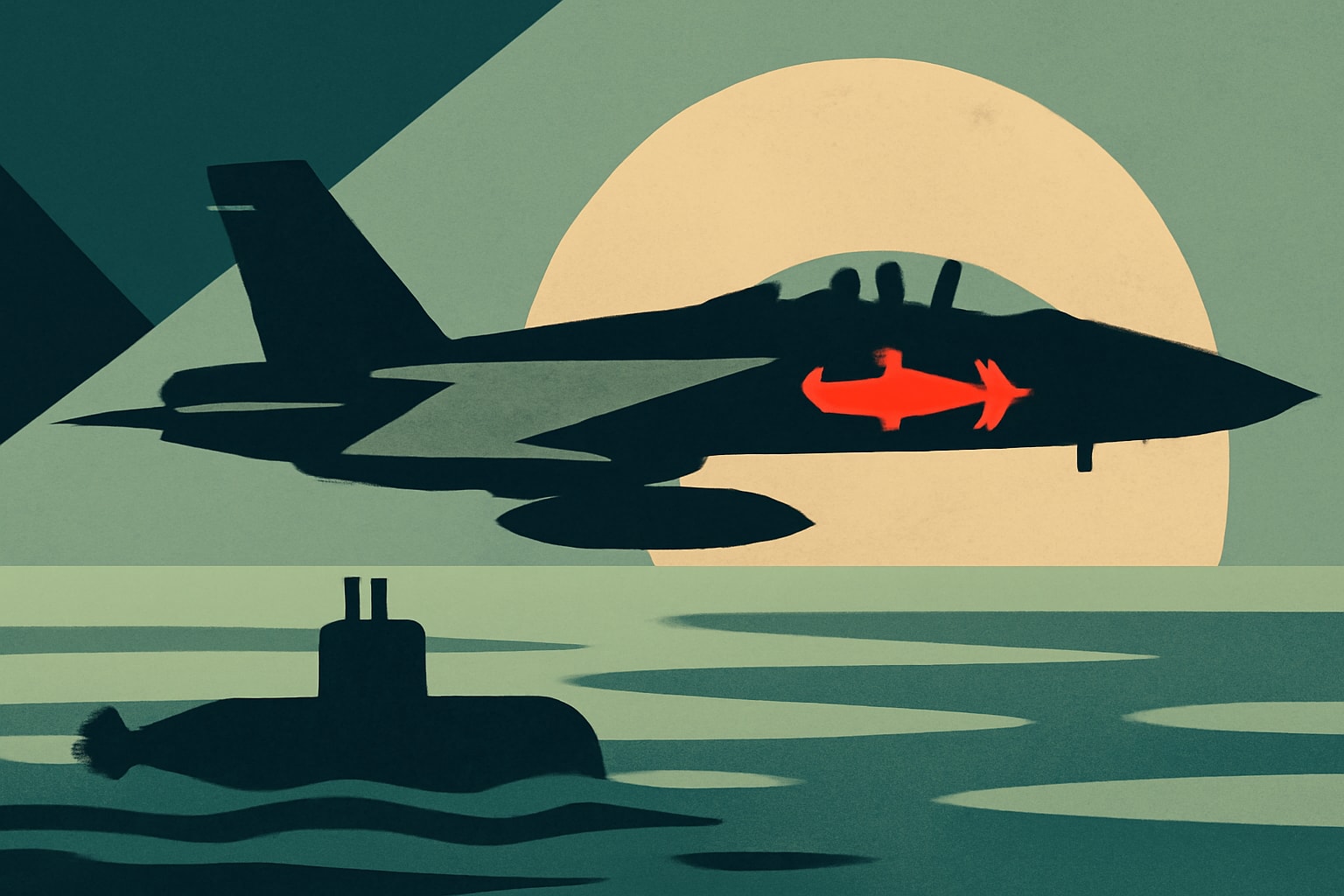
Navy F/A-18F Returns from Iran with New ‘Sub Buster’ Markings
The F/A-18F, typically not a submarine hunter, may have engaged Iranian subs during recent operations.
What's Happening
- •The Navy's F/A-18F fighter/bomber has returned from operations in Iran with new 'Sub Buster' markings.
- •These markings suggest the aircraft may have been involved in strikes against Iranian submarines.
- •The F/A-18F is not traditionally designed for anti-submarine warfare.
Why It Matters
The introduction of 'Sub Buster' markings on the F/A-18F highlights the Navy's adaptability in addressing emerging threats, particularly in regions like the Persian Gulf. For military personnel, understanding the implications of this change is vital for operational readiness and strategic planning.
What Changes Now
- •The F/A-18F's role in operations may expand to include anti-submarine capabilities. This change could require additional training for aircrew and support personnel to effectively engage submarine threats.
- •The Navy may increase its focus on joint operations between air and naval forces. This collaboration is essential to enhance mission success in contested maritime environments.
- •Service members in related fields may need to adapt to new tactics and procedures. Continuous education and training will be necessary to keep pace with evolving operational demands.
What to Watch
- •Monitor upcoming Navy training exercises that may incorporate anti-submarine tactics. These exercises will provide insights into how the F/A-18F will be utilized in future operations.
- •Keep an eye on changes in Navy operational doctrine regarding multi-domain warfare. This could signal a broader shift in how the Navy prepares for and engages with submarine threats.
- •Watch for updates on the Navy's procurement and upgrades for the F/A-18F. New capabilities may be introduced that enhance its effectiveness against submarine targets.
Get the Daily Briefing
Military and veteran news that actually affects you, in your inbox each morning.
More Context
- •Understanding the Role of the F/A-18F: The F/A-18F Super Hornet is primarily designed as a multirole fighter and strike aircraft, capable of air-to-air and air-to-ground missions. However, its recent deployment in Iran has raised questions about its role in anti-submarine operations, particularly given the new 'Sub Buster' markings it has returned with. While the aircraft is not specifically equipped for hunting submarines, its advanced avionics and weapon systems could potentially be adapted for such missions. This shift in operational use highlights the versatility of the F/A-18F and the evolving nature of naval warfare.
- •Implications for Naval Operations: The introduction of 'Sub Buster' markings on the F/A-18F indicates a strategic shift in how the Navy may approach threats posed by submarines, particularly in contested waters. This could lead to increased integration of air and naval forces, enhancing overall operational effectiveness. As tensions with Iran continue, the ability to engage submarine threats from the air could provide significant advantages in maritime security operations. Understanding these implications is crucial for service members involved in naval strategy and operations.
- •What This Means for Service Members: For active-duty personnel, particularly those in naval aviation and surface warfare, the evolving role of the F/A-18F could influence training and operational readiness. Sailors in roles such as aviation maintenance and tactical operations may need to adapt to new protocols and procedures related to anti-submarine warfare. Additionally, this development may affect future deployments and mission planning, emphasizing the need for continuous education and adaptation to new threats in maritime environments.
Frequently Asked Questions
Will the F/A-18F be used for anti-submarine missions?
While the F/A-18F is not primarily designed for anti-submarine warfare, its recent markings suggest it may be adapted for such roles in specific operations.
How will this affect training for naval aviators?
Naval aviators may need to undergo additional training to familiarize themselves with new tactics for engaging submarine threats.
What are the implications for future Navy operations?
The integration of anti-submarine capabilities could lead to more complex operational planning and increased collaboration between air and naval forces.
The Daily Briefing
Military & veteran news that actually affects you — delivered every morning.
- Pay, benefits & policy changes
- Pentagon decisions that matter
- VA updates for veterans & families
- One email. No spam. Unsubscribe anytime.
Related Stories
- Space Force Completes Transfer of First 250 Part-Time Guardians— Federal News Network
- B-21 Raider Production and Testing Accelerate Ahead of 2027 Rollout— Air & Space Forces Magazine
- US and China Establish AI Safety Channel to Address Military Risks— Military.com
- U.S. Air Force Showcases Military Might During Xi Jinping's Visit to D.C.— Air & Space Forces Magazine