Army Officer Sentenced to 12 Years for Giving Abortion Drug to Soldier
A U.S. Army officer has been sentenced for secretly administering abortion medication to a pregnant junior enlisted soldier.
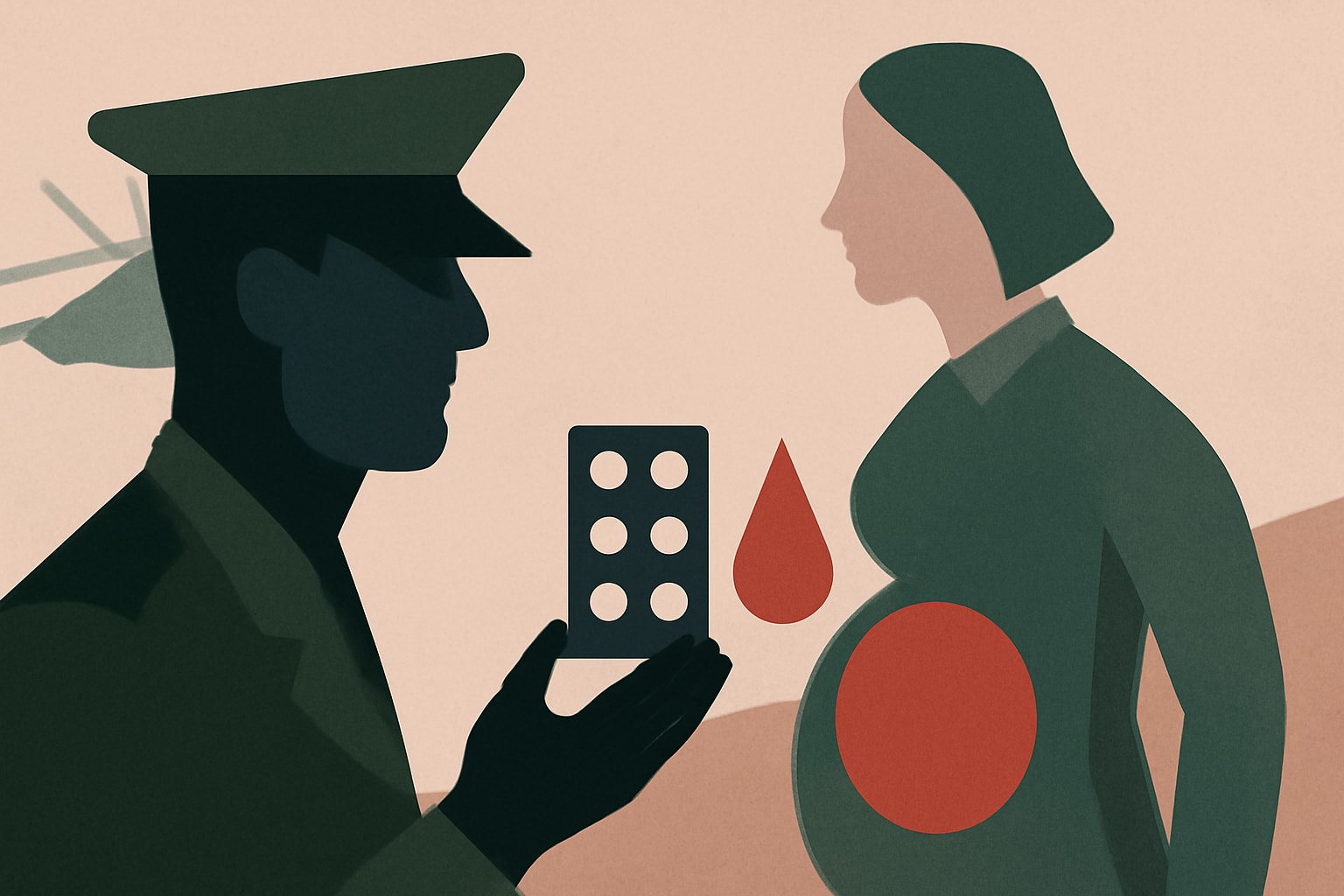
What's Happening
- •A U.S. Army officer has been sentenced to 12 years in prison.
- •The officer was convicted for secretly giving abortion medication to a pregnant junior enlisted soldier.
- •This case highlights serious ethical and legal violations within the military.
Why It Matters
This case is significant for military personnel as it highlights the potential for abuse of power within the ranks and underscores the importance of ethical conduct among leaders. It raises critical questions about the treatment of service members and their rights regarding medical decisions, particularly in sensitive areas such as reproductive health.
What Changes Now
- •The Army may implement stricter guidelines regarding medical treatment and consent. This will ensure that service members are protected and informed about their medical rights.
- •Increased training for commanding officers on ethical responsibilities may be introduced. This change aims to prevent future incidents of misconduct and protect the welfare of junior enlisted personnel.
- •The military may enhance support systems for service members facing personal medical decisions. This could involve clearer communication channels and access to confidential medical advice.
What to Watch
- •Watch for updates on policy changes regarding medical treatment in the military. The Army is expected to review its current guidelines in light of this case.
- •Monitor any new training programs for leaders on ethical conduct and medical consent. These initiatives will be crucial in addressing the issues raised by this incident.
- •Keep an eye on discussions within the military community about the rights of service members concerning reproductive health. This case may influence future advocacy efforts.
Get the Daily Briefing
Military and veteran news that actually affects you, in your inbox each morning.
More Context
- •Case Overview: The sentencing of the Army officer marks a significant moment in military justice, as it underscores the serious consequences of violating both legal and ethical standards. The officer's actions not only breached military protocol but also raised profound questions about the treatment of service members facing personal medical decisions. This incident has prompted discussions about the responsibilities of military leaders in safeguarding the welfare of their subordinates.
- •Impact on Junior Enlisted Soldiers: Junior enlisted soldiers, particularly those in the E-1 to E-4 ranks, may feel a heightened sense of vulnerability following this incident. The case illustrates the potential for abuse of power within the ranks, which can deter service members from seeking necessary medical care or support. It is crucial for the military to reinforce policies that protect the rights and privacy of all personnel, ensuring that they can make informed decisions about their health without fear of retribution.
- •Legal and Ethical Implications: The case raises important legal and ethical questions regarding consent and medical autonomy in the military. Service members must be aware of their rights when it comes to medical treatment, including reproductive health. The military is expected to provide clear guidelines and support systems to ensure that all personnel understand their options and the implications of any medical decisions they may face.
- •Future Monitoring and Changes: As the military reviews this case, there may be changes to policies regarding medical treatment and the responsibilities of commanding officers. It will be important for service members to stay informed about any new directives that arise from this incident. The military community should advocate for transparency and accountability to prevent similar situations in the future.
Frequently Asked Questions
Does this affect Guard members on Title 10 orders?
Yes, all service members, including those on Title 10 orders, are subject to military law and policies regarding medical treatment.
Will my BAH change if I move duty stations mid-year?
Your Basic Allowance for Housing (BAH) may change if you move to a new duty station, as BAH rates vary by location.
Veteran Take
For those who've served, this case is a stark reminder of the ethical responsibilities that come with leadership in the military. Veterans navigating this will understand the gravity of trust placed in officers, and how breaches like this can undermine morale and the integrity of our ranks. It's crucial that service members feel safe and supported in making their own medical decisions, especially in such personal and sensitive matters.
The Daily Briefing
Military & veteran news that actually affects you — delivered every morning.
- Pay, benefits & policy changes
- Pentagon decisions that matter
- VA updates for veterans & families
- One email. No spam. Unsubscribe anytime.
Related Stories
- FEDVIP Dental Premiums to Rise 1%, Vision Premiums by 1.6% for 2027— Military.com
- Pentagon Threatens Universities Over Foreign Ties, Considers Audits— DefenseScoop
- Air Force Airman Confirmed Dead After Fall During College Football Event— Military.com
- Team Collaborates to Digitally Preserve Polish Revolutionary War Hero's Legacy at West Point— Military Times