Navy Restricts Process for Anonymously Reporting Harassment and Discrimination
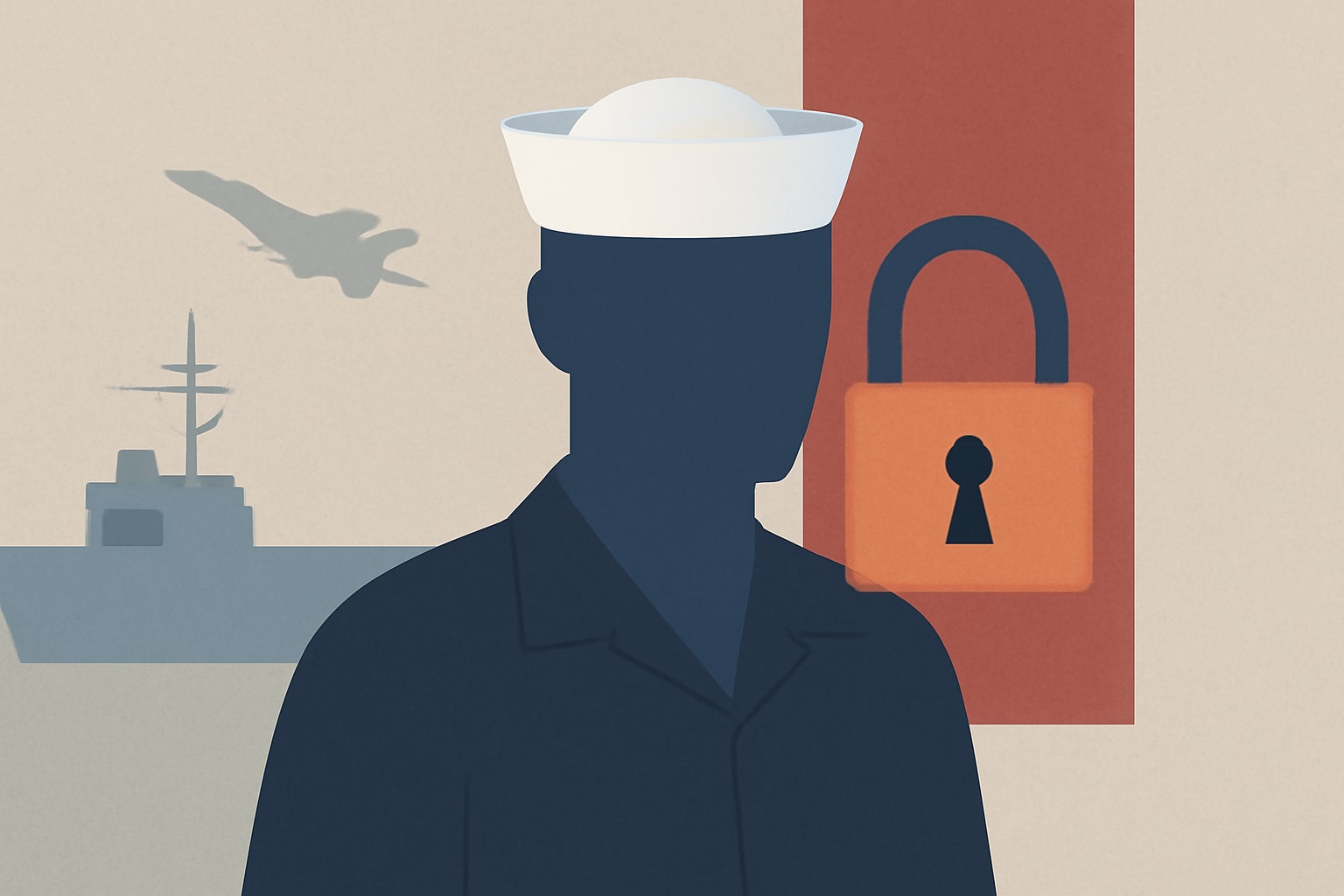
Service members will no longer have anonymous harassment reports processed as Military Equal Opportunity complaints.
What's Happening
- •The Navy has changed its policy on anonymous reporting of harassment and discrimination.
- •Anonymous reports will no longer be processed as Military Equal Opportunity complaints.
- •This change aims to streamline reporting procedures within the Navy.
Why It Matters
This policy change is significant for service members who face harassment and discrimination, as it alters their options for reporting such incidents. Understanding these changes is crucial for fostering a safe and supportive environment within the Navy, especially for those who may feel vulnerable in the reporting process.
What Changes Now
- •Anonymous reports of harassment will no longer be processed as Military Equal Opportunity complaints. This means that service members must now report incidents through official channels without the assurance of anonymity.
- •Service members will need to adapt to the new reporting requirements and may face increased pressure when deciding to report incidents. This change could lead to a reluctance to report, affecting the overall reporting culture within the Navy.
- •The Navy is expected to provide additional training on the new reporting procedures. Personnel should stay informed about these training opportunities to understand how to effectively navigate the new system.
What to Watch
- •Monitor updates from Navy leadership regarding the implementation of the new policy. These updates will clarify how the Navy plans to support service members in the reporting process.
- •Watch for assessments or surveys conducted by the Navy to gauge the impact of this policy change on reporting rates. The results could influence future adjustments to the harassment reporting framework.
- •Keep an eye out for training sessions that address the new reporting procedures. These sessions will be critical for ensuring that all personnel understand how to report incidents effectively.
Get the Daily Briefing
Military and veteran news that actually affects you, in your inbox each morning.
More Context
- •Overview of the New Policy: The Navy's recent decision to restrict the processing of anonymous harassment reports marks a significant shift in how such incidents are managed. Previously, service members could submit anonymous complaints that would be treated under the Military Equal Opportunity (MEO) framework. However, under the new policy, these reports will not receive the same level of confidentiality and protection. The Navy intends to address concerns about the effectiveness of anonymous reporting in fostering a safe environment for all personnel.
- •Impact on Service Members: This policy change primarily affects active-duty sailors and Marines who may have previously relied on anonymity to report harassment or discrimination. For E-4 to E-6 personnel, the inability to submit anonymous complaints may deter them from reporting incidents due to fear of retaliation or stigma. The Navy's move could lead to a decrease in reported incidents, as service members may be less inclined to come forward without the assurance of anonymity.
- •Practical Implications for Reporting: With the new policy, service members must now consider alternative methods for reporting harassment. They will need to weigh the potential risks of reporting incidents openly versus the need for a safe and respectful workplace. The Navy encourages personnel to use official channels, such as their chain of command or designated Equal Opportunity representatives, to report incidents. This change emphasizes the importance of creating a culture of accountability and transparency within the ranks.
- •What to Watch Moving Forward: As the Navy implements this new policy, service members should monitor any updates or additional guidance from their leadership. The Navy may conduct assessments to evaluate the impact of this change on reporting rates and the overall climate regarding harassment and discrimination. Additionally, upcoming training sessions may address how to navigate the new reporting procedures effectively.
Frequently Asked Questions
Does this affect Guard members on Title 10 orders?
Yes, the new policy applies to all active-duty service members, including those in the National Guard on Title 10 orders.
Will I still have support if I report harassment?
Yes, while anonymous reporting is restricted, the Navy emphasizes support for all service members who report harassment through official channels.
What should I do if I feel unsafe reporting an incident?
If you feel unsafe, consider discussing your concerns with a trusted leader or an Equal Opportunity representative to explore your options.
Robert's Perspective
Drone warfare is one of the most fascinating components of modern warfare, and I think our military should continue to focus heavily on it. When I think back to my time in service, we didn't have these kinds of capabilities around us, so I'm excited to see where this goes and how it can ultimately save lives. The Mojave Desert exercise is a great start, but we need to keep pushing to understand what works and what doesn't before these tools end up in a combat zone where the stakes are everything. I'm especially interested in how this technology is playing out on the battlefield right now in Ukraine and Iran. We're seeing drones reshape the battlespace in real time, and the lessons coming out of those conflicts should be driving our own doctrine and procurement. To any veteran or military family reading this: the battlefield is changing fast, and the skills that kept us safe yesterday may not be the same ones that keep our people safe tomorrow. That's not something to fear. It's something to embrace. The goal is a stronger military with fewer lives lost, and drones are a big part of getting us there. Let's see where this goes.
— Robert Franklin, founder of Vet The News, U.S. military veteran & defense journalist
The Daily Briefing
Military & veteran news that actually affects you — delivered every morning.
- Pay, benefits & policy changes
- Pentagon decisions that matter
- VA updates for veterans & families
- One email. No spam. Unsubscribe anytime.
Related Stories
- Congress Must Enhance TRICARE Budget Oversight for Military Families— Federal News Network
- Eight Sailors from USS Abraham Lincoln Strike Group Attempt Suicide— Military Times
- Air Force Establishes ‘Megatron’ IDIQ to Accelerate Battle Network Acquisitions— DefenseScoop
- Pentagon Announces 26 New Infrastructure Grants Costing $230 Million— Military.com